
24/7 Customer Support

Free returns

Same-day & Next-day Delivery

Quality Guaranteed

Unlock Your Welcome Offers: FREE Delivery | Up to 80% OFF | Free 30-day JoyPlus trial
Download the APP
Navigating the world of spreads can be surprisingly complex. While seed butters offer a fantastic, plant-based alternative to traditional options, the shelves are filled with choices that don't always live up to their healthy image. As a Joybuy Product Recommendation Officer, my role is to help you see past the marketing jargon and focus on what truly matters for your pantry and your family. Many shoppers find themselves with a jar of something that's gritty, oily or packed with unexpected ingredients. Let's look at the common pitfalls and how to sidestep them.
Before you add a new seed butter to your basket, be aware of a few frequent issues that can lead to disappointment:
To ensure you're getting a quality product that fits your needs, focus on these three core parameters.
The most reliable indicator of quality is a short, recognisable ingredient list. Ideally, the first and primary ingredient should be the seed itself (e.g., "Roasted Sunflower Kernels" or "Sesame Seeds").
For those needing truly nut-free spreads, reading the main ingredient list isn't enough. Scrutinise the packaging for allergen advisory statements. A declaration like, "processed in a dedicated, automated facility that works exclusively with sunflower seeds" provides a much higher level of assurance than a product that simply omits nuts from its ingredient list but carries a "may contain nuts" warning.
Different seeds offer vastly different flavours and culinary uses.
Instead of a one-size-fits-all approach, we've matched some standout products to the people who will appreciate them most.
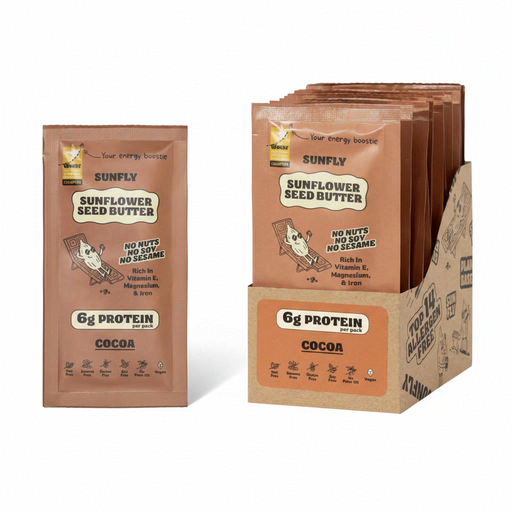
Why This Fits Their Persona: These on-the-go sachets are a game-changer for busy mornings. They provide a perfectly portioned, mess-free option for lunchboxes or after-school activities. The cocoa flavour makes it an appealing, lower-sugar alternative to conventional chocolate spreads.
It directly solves the "nut-free ambiguity" pitfall. The product is processed in a dedicated facility that works exclusively with sunflower seeds, eliminating cross-contamination risks.
Unmatched convenience with individual sachets. It is also a no palm oil spread, making it a conscious choice.
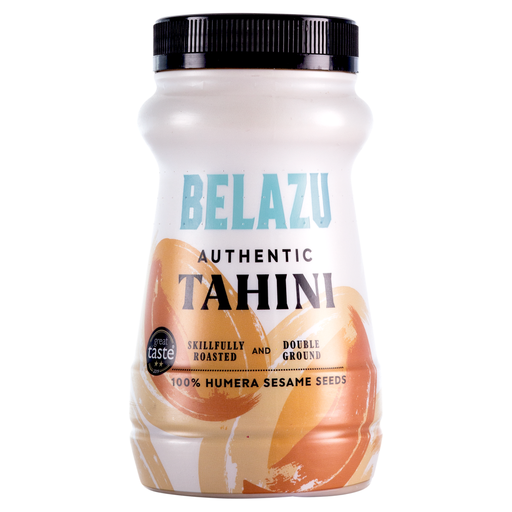
Why This Fits Their Persona: For anyone serious about making authentic hummus, baba ghanoush or tahini dressing, a quality tahini paste is non-negotiable. This one is roasted and double-ground for a flavour and texture that elevates homemade dishes.
It avoids the texture and separation pitfall. The "double ground" process creates a naturally creamy and glossy finish that is less prone to hard separation and the single-ingredient list is free of unwanted additives.
A rich, nutty flavour profile from traditional hand-roasting. The large 500g jar offers good value for regular use.
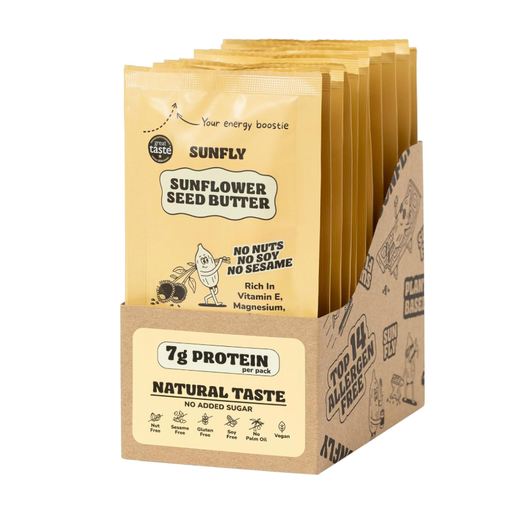
Why This Fits Their Persona: This is for the purist. With 96% sunflower kernels and no added sugar, it's an ideal high-protein, high-fat spread for those on keto or low-sugar diets. The sachet format makes it easy to track macros and take to the gym or office.
It directly counters the hidden sugar trap by containing zero added sugar (it uses erythritol as a sweetener). It is also a no palm oil spread and is made in a dedicated nut-free facility.
Keto-friendly with only 0.5g of sugar per sachet. The simple, clean ingredient list makes it a trustworthy choice for strict dietary needs.
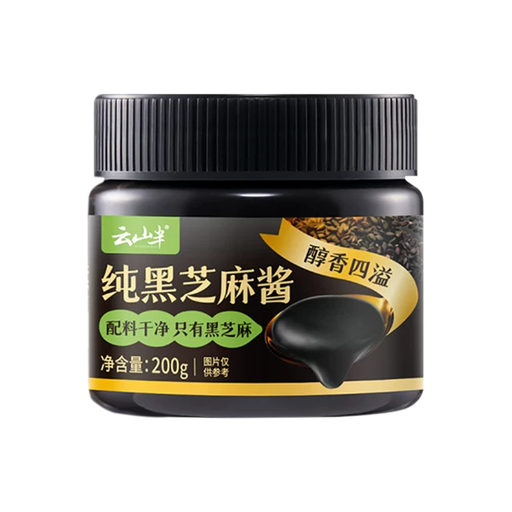
Why This Fits Their Persona: This is a speciality product for those looking to recreate authentic East Asian flavours. This black sesame paste is essential for making tang yuan (sweet dumplings), black sesame ice cream or simply as a flavourful addition to porridge or toast.
This is the definition of a simple ingredient list: it contains only black sesame. It completely avoids the trap of hidden sugars, oils and other additives, delivering a pure, unadulterated product.
100% pure with a rich, toasted and intense flavour that cannot be replicated. It is a genuine staple among Chinese cooking ingredients.
We have compiled a complete, real-time list of products that fully satisfy these strict selection criteria and UK safety regulations.
1. Does seed butter need to be refrigerated? It depends on the product. Most natural seed butters with no preservatives benefit from refrigeration after opening. This helps maintain freshness and slows the natural process of oil separation. Always check the storage instructions on the label, as some stabilised spreads can be kept in a cool, dry cupboard.
2. Is sunflower seed butter a good alternative for school lunches? Absolutely. It has become a very popular choice for nut-free spreads in the UK, as many schools now enforce "nut-free" policies to protect children with allergies. It provides a safe and satisfying alternative to peanut butter for sandwiches and snacks. For high-allergy situations, always choose a brand that explicitly states it is produced in a nut-free facility.
3. What is the difference between light and dark tahini? The main difference is whether the sesame seeds have been hulled. Light tahini paste is made from hulled seeds (the outer bran is removed), giving it a smoother texture and a milder, creamier flavour. Dark tahini uses the whole, unhulled seed, which results in a more robust, slightly bitter taste and a higher concentration of nutrients like calcium and fibre.