What to check before buying
Decide first whether you want pastry texture, confirmed seed content, or a combination of both on the breakfast table. Then check the exact product title, ingredients and allergen information.
Conventional all-butter croissant
Choose it when: a warm, flaky pastry is the main aim for your weekend breakfast.
Keep in mind: this is not a seeded alternative; check ingredients rather than assuming seeds are present.
Seeded loaf or wholegrain bread
Choose it when: confirmed seeds or a fibre-focused bread base matters most.
Keep in mind: it offers a different eating experience from a croissant, and the exact label still matters for allergens.
Mixed weekend breakfast
Choose it when: you want a croissant for pastry texture alongside a separate wholegrain or seeded item.
Keep in mind: adding another food does not make the croissant itself seeded or wholegrain.
| Priority |
What to check |
Your needs |
| Confirmed seed content |
Look for seeds in the exact product name or ingredient list. Treat croissants and seeded breads as separate formats unless the pack says otherwise. |
I want seeds in the food itself, not simply a bakery item displayed near seeded loaves. |
| Pastry or bread format |
Check whether the product is an all-butter croissant, a filled pastry, a seeded loaf or a wholegrain bread. Consider whether warming or baking is required. |
A warm, flaky pastry may be my priority, or I may prefer a bread format with clearly stated seeds. |
| Fibre in the meal |
Read nutrition information per 100g where supplied, and distinguish it from a wholemeal or wholegrain designation. Plan the whole breakfast rather than judging one item alone. |
I may want a croissant as part of breakfast while including a separate wholegrain or seeded food. |
| Allergens and ingredients |
Read the current pack label for declared ingredients, allergens and precautionary statements. Check again when buying a different pack or variant. |
I need an exact ingredient check for requirements involving cereals containing gluten, milk, egg, nuts or sesame. |
Joybuy pastry options
These Joybuy options represent conventional frozen croissants for a warm weekend pastry breakfast. Neither product is a confirmed seeded croissant, so choose a clearly labelled seeded or wholegrain bread instead if seeds are essential.
 No image available
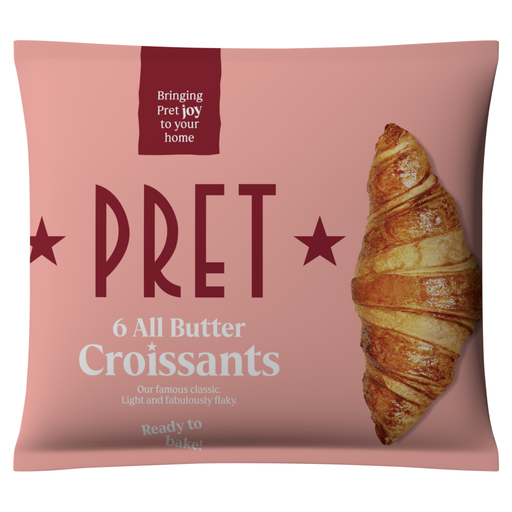
Pret A Manger Butter Croissants 330g
For a warm, conventional croissant breakfast rather than a seeded-bread choice.
Stated details include 24% butter, 27 folds, slow fermentation and a 20-minute bake from frozen.
Not a confirmed seeded croissant. Contains wheat/gluten, milk and egg; may contain nuts, sesame and soya. Requires frozen storage and oven baking, and should not be refrozen once thawed.
Joybuy
 No image available
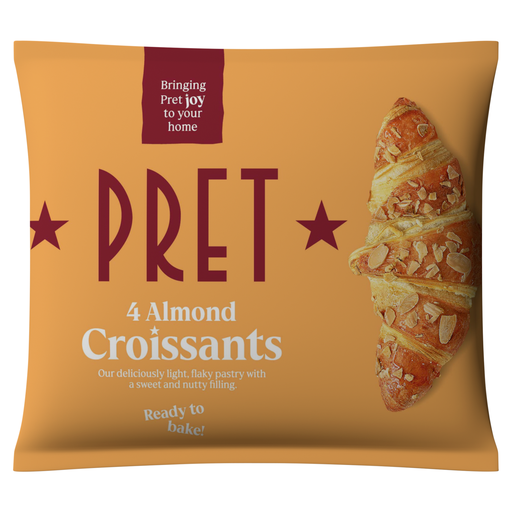
Pret A Manger Almond Croissants 280g
For a warm weekend pastry with almond filling and flaked almonds.
This frozen product is intended for home baking and is described as light and flaky.
Flaked almonds do not confirm seed content. Contains wheat/gluten, milk, egg and almonds; may contain other nuts, sesame and soya. Check the current pack instructions before serving.
Joybuy
Frequently asked questions
Can I buy a clearly identified seeded croissant from these UK supermarket ranges?
The M&S, Tesco, Sainsbury’s, Waitrose and Lidl croissant ranges cited here list all-butter, plain, almond, chocolate, filled or related pastry formats rather than a clearly identified seeded croissant. M&S and Lidl present seeded breads separately, so check the exact current product title and ingredients if seed content is required.
Is an all-butter croissant a substitute for seeded or wholegrain bread at breakfast?
Not when seeds or a wholegrain bread base are essential. M&S lists 1.6g fibre per 100g and no seeds in the ingredients of its all-butter croissant, while the NHS suggests wholemeal or granary bread and wholegrains as ways to increase fibre intake. A croissant can still be one element of breakfast alongside a separate seeded or wholegrain item.
What allergen checks matter for croissants and seeded bakery products?
Check the exact label every time. M&S lists wheat, butter, egg and milk in its all-butter croissant, while Lidl lists milk and wheat and a precautionary statement including sesame. The Food Standards Agency explains that UK labelling requirements for prepacked-for-direct-sale food are intended to provide allergen information on the packaging.
How should I store croissants for a weekend breakfast?
Follow the instructions for the exact product. For M&S all-butter croissants, the stated guidance is a cool, dry place away from sunlight; they may be frozen by the date mark, used within three months after freezing and thoroughly defrosted. Storage instructions can differ between products.


