Who this suits

Parents introducing seeds during baby-led weaning

For carers of babies starting solids from around 6 months who want to introduce seeds in a pancake. Introduce foods that can trigger allergic reactions one at a time so that any reaction is easier to identify, as advised by the NHS.

Convenience-focused carers buying supermarket pancakes

For shoppers comparing ready-made pancakes with a baby-suitable serving. Check the exact pack for allergens, salt and sugar rather than relying on the product category or flavour name.

Carers managing allergy or eczema risk

For families where a baby has a diagnosed allergy or eczema, or there is a family history of food allergy, eczema, asthma or hay fever. The NHS advises speaking to a GP or health visitor before introducing foods that can trigger allergic reactions in these circumstances.

Buying priorities

Homemade seeded pancake

Choose it when: You want to introduce a seed-containing food and control the pancake’s ingredients and texture.

Consider: It takes preparation, and introducing a potential allergen still needs care.

Ready-made plain pancake

Choose it when: Convenience matters more than serving a seed-containing pancake.

Consider: Recipes vary, so assess each current pack rather than treating pancakes as one uniform product.

Commercial seeded pancake

Choose it when: An exact product has a clear current ingredients and allergen declaration.

Consider: The word “seeded” alone does not establish whether its texture or full recipe suits your baby.

Priority What to check Your needs
Introducing seeds and allergens Use one new potential allergen at a time; read the full ingredients list; check highlighted allergens on packaged food. I want to identify what my baby has eaten if a reaction occurs. The NHS advises introducing foods that can trigger allergic reactions one at a time from around 6 months.
Salt and sugar Check the ingredient list and nutrition panel; avoid adding salt to homemade batter; assess syrups and sweet toppings separately. I am looking for an everyday pancake serving without unnecessary sweet toppings. The NHS says babies should not eat much salt and do not need sugar or sweeteners.
Genuine seeded product Confirm that the exact product contains seeds; check its current ingredients, allergen declaration and cooked texture. I want a pancake that actually matches a seed-introduction plan, rather than a fruit, chocolate or syrup-flavoured alternative.
Texture and serving Prepare the pancake according to its instructions; allow it to cool; assess whether the finished texture is soft and manageable for your individual baby. I need a serving my baby can hold and manage at their current stage, rather than assuming every supermarket pancake has the same texture.

Common buying pitfalls

  • Assuming every product labelled “pancakes” suits baby-led weaning

    Ready-made ranges include sweet, chocolate-filled, syrup-flavoured and other adult-oriented products. A pancake name does not indicate its salt, sugar, allergens or serving texture.

    Read the exact ingredients and nutrition information, then serve an age-appropriate portion without syrup, honey or sugary toppings. The NHS advises that babies should not eat much salt and do not need sugar or sweeteners.

  • Treating gluten-free as suitable for every baby

    Gluten-free status only addresses cereals containing gluten. A pancake may still contain other allergens, including egg, milk or sesame, and its recipe and texture may still need checking.

    Use gluten-free status when gluten avoidance is needed, then separately read the full allergen declaration and ingredients list. GOV.UK states that prepacked foods containing any of the 14 regulated allergens must identify them clearly in the ingredients list.

Relevant supermarket brands

Sainsbury's

Sainsbury's has a pancake and crêpe category that lists 17 products, including Scotch, sweet, buttermilk, blueberry, high-protein and gluten-free pancakes.

  • The category gives shoppers several ready-made pancake styles to compare.
  • Check the individual product page and current pack before using a pancake for baby-led weaning.

Tesco

Tesco Groceries lists 13 pancake items, including Tesco Scotch, banana and buttermilk pancakes alongside branded and high-protein options.

  • The category includes several familiar ready-made pancake types.
  • Product recipes and promotional offers can change, so use the current pack label for ingredient and allergen checks.

M&S

M&S Food lists pancake and crêpe options including buttermilk, blueberry, lemon, raisin and maple, red velvet, cookies and cream, and spinach-and-herb varieties.

  • The range includes both sweet and savoury-style flavours.
  • M&S asks shoppers to check price and availability at their local Foodhall, so local stock should be confirmed.

Waitrose

Waitrose has a pancake, crêpe and waffle category with Scotch, buttermilk, sweet, blueberry, high-protein and gluten-free pancake options.

  • The category includes conventional and gluten-free pancake choices.
  • Check each pack’s allergens, ingredients and serving suitability rather than using the category label alone.

Asda

Asda provides an online ready-made pancake shopping page with delivery and Click & Collect availability.

  • It is a purchase channel for ready-made pancakes.
  • Use an exact product page or the current pack to check product-level ingredients and allergen information.

Joybuy product options

Joybuy product options for shoppers considering a commercial sesame-flavoured pancake for this baby-led-weaning topic.
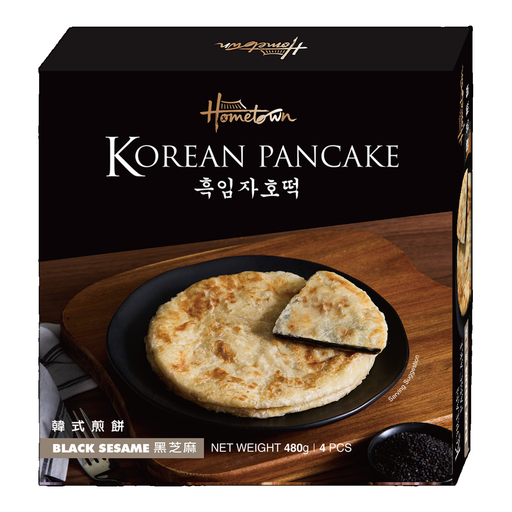
Hometown Korean Pancake Black Sesame Flavor 480g

Hometown Korean Pancake Black Sesame Flavor 480g

A sesame-flavoured frozen pancake for shoppers considering a commercial seed-containing option. Check the current pack for wheat and sesame allergens, prepare it thoroughly, allow it to cool, and assess the finished texture before serving to a baby.

Joybuy

Frequently asked questions

Can a baby having baby-led weaning eat seeded pancakes?

A seeded pancake can be considered from around 6 months when a baby is ready for solids, but introduce foods that can trigger allergic reactions one at a time. If your baby has a diagnosed allergy or eczema, or there is a family history of allergy, eczema, asthma or hay fever, the NHS advises speaking to a GP or health visitor before introducing these foods.

Should I use a shop-bought pancake for a baby’s first seed exposure?

Choose a packaged product only after checking its exact current ingredients and allergen declaration. A homemade soft pancake gives you more control over the recipe when you are introducing a seed-containing food for the first time.

What label checks matter for packaged pancakes?

Check the full ingredients list and highlighted allergens every time you buy. GOV.UK requires prepacked foods containing any of the 14 regulated allergens to identify them clearly in the ingredients list; relevant pancake allergens can include cereals containing gluten, egg, milk and sesame.

Do all pancakes contain gluten?

No. Sainsbury's and Waitrose list gluten-free pancake products alongside conventional pancakes, so check the exact product label rather than assuming that every pancake contains or excludes gluten.

Can I pack pancakes for nursery or another childcare setting?

Check the individual setting’s written allergy policy before packing food. For packaged pancakes, use the ingredients list and allergen statement on the current pack as your starting point.