People with a short lunch break
A ready-made pancake may fit your break if its preparation instructions suit the time and equipment you have, and its format works with your planned toppings.


If seeds are essential to your working-from-home lunch, choose a pancake only after its ingredient list confirms the seeds you want: a black-sesame flavour or protein label alone is not enough. If seeds are optional, compare the pancake format, preparation method, nutrition on a consistent basis, allergens and storage instructions.
A ready-made pancake may fit your break if its preparation instructions suit the time and equipment you have, and its format works with your planned toppings.
Check that the pancake itself lists the seeds you want in its ingredients. A protein pancake, a fibre figure or a seeded loaf does not establish that a pancake meets this requirement.
The reviewed retailer pancake examples declare allergens including wheat or gluten, egg and milk. Read the current pack, including any relevant “may contain” statement, before serving.
Decide whether seeds are essential first; then compare the preparation, portion, allergen and storage details that affect your lunch.
| Priority | What to check | Your needs |
|---|---|---|
| Named seeds | Look for the required seeds in the pancake’s ingredient list. Check that the product is a pancake rather than a seeded loaf or oatcake. | Seeds are essential to my choice, so I want them confirmed as an ingredient. |
| Lunch format | Check whether the product is ready to eat or needs heating, and whether its stated method fits your equipment. Consider the fillings or toppings separately. | My lunch break is short, and I want a base that works with what I plan to serve. |
| Nutrition basis | Compare stated values per 100g as well as per pancake: pancake weights and serving sizes differ. Read protein and fibre figures rather than inferring them from the product name. | I want to compare the portion I would actually eat, without treating a protein claim as proof of seeds or fibre. |
| Allergens | Read the current ingredient and allergen statements, including relevant “may contain” wording. The reviewed retailer examples include products declaring wheat or gluten, egg and milk. | Before serving, I need to check the particular pack against the eater’s requirements. |
| Storage | Check the pack date, refrigeration requirements and instructions after opening or for freezing. Do not apply one pancake’s directions to another product. | I want a pack size and storage method that fit my planned lunches. |
A nutrition claim or flavour name does not, by itself, confirm that the seeds you want are an ingredient. Seeded bread is also a different product from a seeded pancake.
Check the pancake’s own ingredient list for the named seeds before treating it as a match.
Per-pancake figures can describe pancakes of different weights, so they may not give a like-for-like comparison.
Read both the per-100g and per-pancake values, then consider how many pancakes and toppings you would serve.
The reviewed retailer products declare allergens including wheat or gluten, egg and milk; some also declare or flag soya and other cereals. Recipes and pack information can change.
Read the physical pack’s ingredient, allergen and relevant “may contain” statements before serving.
Opening and refrigeration instructions differ between pancake products. For example, Marks & Spencer specifies refrigeration for its Sweet Pancakes, while Tesco gives an after-opening period for its Scotch Pancakes.
Choose a pack you can use as directed, and follow its own date, opening and freezing instructions.
These retailer examples show different pancake formats and label details; check each product’s ingredients before treating it as seeded.
ASDA Groceries lists its own-label maple-flavour protein pancakes alongside other ready-made pancake products.
Tesco Groceries lists Scotch Pancakes with toaster and grill instructions.
Sainsbury’s lists Scotch, buttermilk, blueberry, high-protein and gluten-free options in its ready-made pancakes and crepes category.
Marks & Spencer lists chilled Sweet Pancakes with product-specific storage directions.
Waitrose & Partners lists High Protein Pancakes with toasting and freezing guidance.
These options are a black sesame-flavour Korean pancake and a chive paratha-style pancake for a working-from-home lunch. Check their ingredient lists to confirm whether either meets your particular seed requirement.
 No image available
The black sesame flavour may suit the lunch you have planned; check the ingredient list for the seeds you require, along with the pack’s allergens and preparation instructions. This is a Korean-style pancake rather than a Scotch pancake.
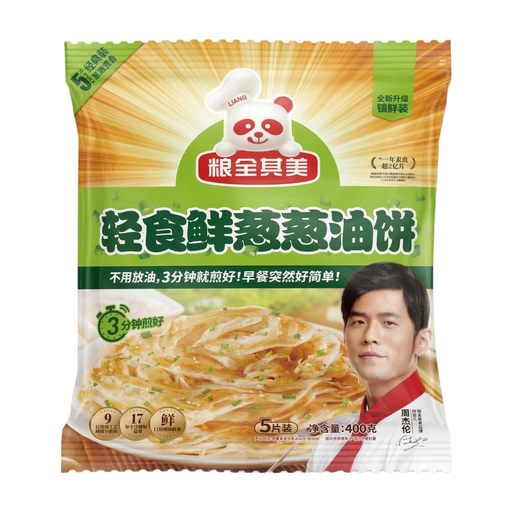 No image available
The chive paratha-style format offers a different lunch base from a batter pancake; check the pack for the seeds you require, its allergens and its cooking instructions. The pack contains 5 pieces.
No: a high-protein label does not establish that a pancake contains seeds. Check the individual product’s ingredient list for the seeds you want.
They can be used as a base if their format and preparation suit your meal. Sainsbury’s suggests cheese, eggs and ham with crepes; any toppings are separate from the pancake’s stated ingredients and nutrition.
Check the particular pack for its declared allergens and any relevant “may contain” statement. The reviewed retailer pancakes include products declaring wheat or gluten, egg and milk; an ASDA Groceries listing for Warburtons Original Pancakes also declares soya.
Follow the individual pack’s date and storage directions. Marks & Spencer says to refrigerate its Sweet Pancakes at 0°C to +5°C and eat them within two days of opening; Tesco also specifies use within two days of opening for its Scotch Pancakes. Those instructions should not be assumed to apply to other products.