What to check before buying
Plain all-butter croissant
Choose when: Plain bread-like foods are already accepted, or visible seeds and mixed textures are unwelcome. Tesco, M&S and Waitrose list plain all-butter choices.
Trade-off: This does not introduce seed texture, and individual products can still contain wheat, milk and egg or carry precautionary allergen statements.
Seeded or multiseed croissant
Choose when: Seeds are already accepted, or the product is being offered as a small, optional food-linking step beside a familiar pastry or bread.
Trade-off: Seeds change texture, appearance and flavour at once, so check the live product information and label before relying on a particular item.
Start with the smallest change from foods already accepted, then check the exact product label and preparation requirements.
| Priority |
What to check |
Your needs |
| Texture and appearance |
Look for visible seeds, multiseed dough, toppings and uneven surfaces. Consider whether crunch, colour variation and a changed flavour are already tolerated. |
I want the croissant to stay close in colour, texture and presentation to a food that is already accepted. |
| Low-pressure introduction |
Choose a small portion where practical. Serve the unfamiliar item separately and keep an accepted food alongside it. |
I want to make a seeded option available without turning breakfast or a snack into a test. NHS guidance advises against forcing a rejected food. |
| Ingredients and allergens |
Read the current ingredient list and emphasised allergen declaration. Check precautionary statements and bakery-counter handling information for the exact item. |
I need current information for the specific pack or counter product, especially where wheat, milk, egg, nuts, sesame or shared bakery handling matter. |
| Product availability |
Use a live product page or local stock checker, then confirm the pack label. Do not rely on a general bakery page or a search-result title for ingredients or stock. |
I want a product I can check before planning a meal around it, with a plain option available if the seeded choice is not suitable. |
Joybuy product options
Joybuy product options for the lower-change plain all-butter route, for households starting with a familiar-looking pastry before considering visible seeds.
 No image available
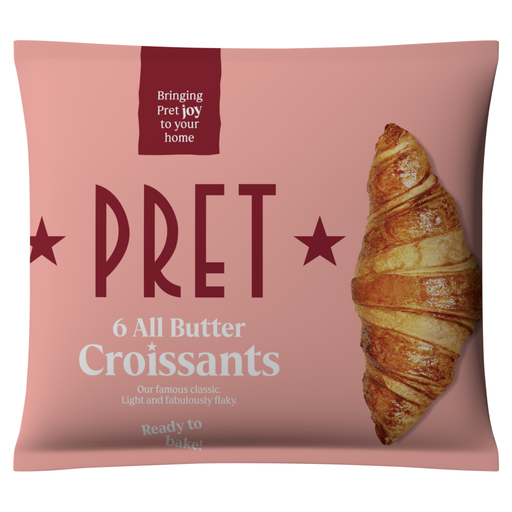
Pret A Manger Butter Croissants 330g
A plain all-butter option for serving alongside familiar foods when visible seeds or fillings are not yet accepted.
Frozen storage and bake-from-frozen preparation; allow approximately 20 minutes in the oven.
Declared allergens include wheat, milk and egg. It may contain nuts, sesame and soya, so check the current pack label for household-specific needs.
Joybuy
Frequently asked questions
Are seeded croissants a good first choice for a fussy eater?
Usually not when the eater currently prefers smooth, uniform or plain foods. Seeds change appearance, crunch and flavour together, so offer a seeded croissant as a small optional step beside an accepted plain food if those characteristics are not yet familiar.
How can I introduce a seeded croissant without creating pressure?
Serve a familiar food as well and offer a small portion of the new item separately. NHS and NHS-linked guidance supports repeated, non-pressured exposure, so the eater can look, smell or touch the food without being required to take a bite.
What allergens should I check on a croissant?
Check the exact current label for the individual item. The M&S and Waitrose plain-croissant examples contain wheat, milk and egg; Waitrose also declares possible nuts, while M&S notes possible bakery cross-contact with nuts, peanuts and sesame. A seeded product needs its own label check because its seed mix and precautionary information can differ.
Is an in-store bakery croissant as straightforward to assess as a packaged one?
Not always. Lidl says its bakery cannot guarantee other allergens are absent and directs shoppers to the product-box label or Customer Care for ingredient information. Check the current information available at that store before choosing a loose bakery item where precise allergen details matter.
Can croissants be frozen for gradual exposure over several meals?
Check the exact pack. Waitrose lists its own-label plain and eight-pack butter croissants as suitable for freezing, but that does not establish freezer suitability for every croissant or seeded product.


