
24/7 Customer Support

Free returns

Same-day & Next-day Delivery

Quality Guaranteed

Unlock Your Welcome Offers: FREE Delivery | Up to 80% OFF | Free 30-day JoyPlus trial
Download the APP
Self-adhesive 3D wall panels can create a feature wall, kitchen backsplash or decorative accent without the dust and labour associated with traditional brickwork, tiling or timber panelling. However, attractive product photographs do not always reveal the details that affect installation, coverage and long-term suitability.
Before choosing peel-and-stick wall panels, look closely at three common purchasing traps:
A considered purchase starts with the wall itself, not just the pattern.
Measure the wall’s width and height in metres, then multiply them to calculate the approximate area. For example, ten 30 x 30 cm panels cover about 0.9 m², or 9.7 square feet, according to the listed product specification.
Allow extra material for:
Buying only the exact calculated quantity can leave a feature wall unfinished. Check whether the retailer lists coverage per pack, per tile or per individual panel.
Many lightweight DIY wall covering products use PVC, EVA or a composite construction. A thinner panel is generally easier to cut with scissors or a utility knife, while a textured surface can create more visual depth than flat brick-effect wallpaper.
The Commomy self-adhesive designs listed here use 3 mm PVC and EVA construction, with a touchable simulated brick or stone texture. This makes them suitable for shoppers seeking a lightweight alternative to masonry or heavy tiles. By contrast, MDF wall panels with a PVC veneer and PET backing offer a wood-effect appearance and a different visual character.
Material alone does not determine suitability. Check the manufacturer’s instructions for cleaning, heat exposure, wall compatibility and removal.
Some self-adhesive 3D wall panels are described as heat-resistant or water-resistant, but these terms should not be interpreted as permission to install them anywhere. The Commomy PVC designs specify keeping panels at least 30 cm from a stove or fireplace. They are also listed as unsuitable for shower spaces, outdoor use and floors.
For a kitchen backsplash, install panels away from direct flame and areas exposed to heavy splashing. In bathrooms, use them only in suitable dry or lightly damp locations and follow the product instructions. A waterproof wall panels search may return many options, but always distinguish between a marketing description and the manufacturer’s actual usage limitations.
A peel-and-stick installation is straightforward, but preparation has the greatest effect on adhesion.
Renters should test a small hidden area first and review their tenancy agreement before applying adhesive wall coverings. For removal, warming the adhesive with a hairdryer or heat gun and pulling slowly from a corner may help reduce wall damage. Even so, no adhesive product can guarantee completely mark-free removal from every painted or plastered surface.
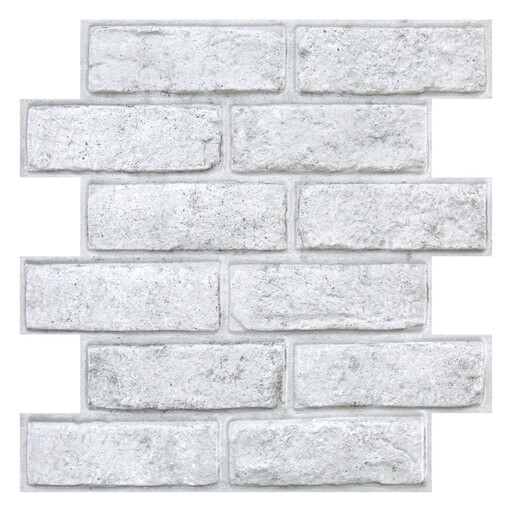
Why This Fits Their Persona: The white brick appearance suits small living rooms, bedrooms, hallways and rental-style accent projects where a light, simple finish is preferred.
The listing states the pack contains ten 30 x 30 cm panels covering 0.9 m², making the required quantity easier to calculate.
3 mm PVC and EVA construction; peel-and-stick backing; wipe-clean surface.
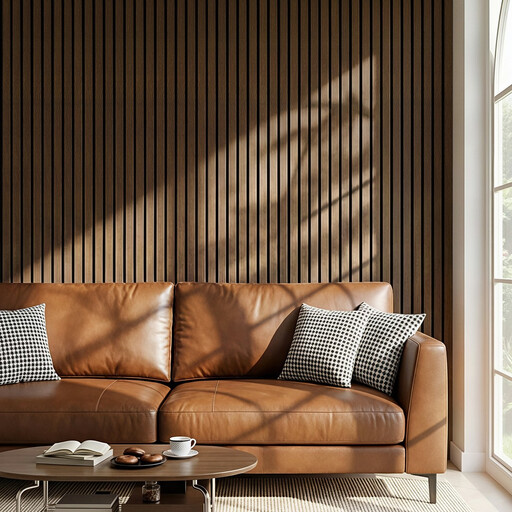
Why This Fits Their Persona: The walnut finish is suited to shoppers planning a more structured feature wall in a lounge, office, bedroom or dining area.
Its listed MDF core, PVC veneer and PET backing clearly identify the layered construction, helping buyers distinguish it from thin wallpaper-style coverings.
Wood-effect European walnut finish; MDF wall panel with PVC veneer and PET backing.
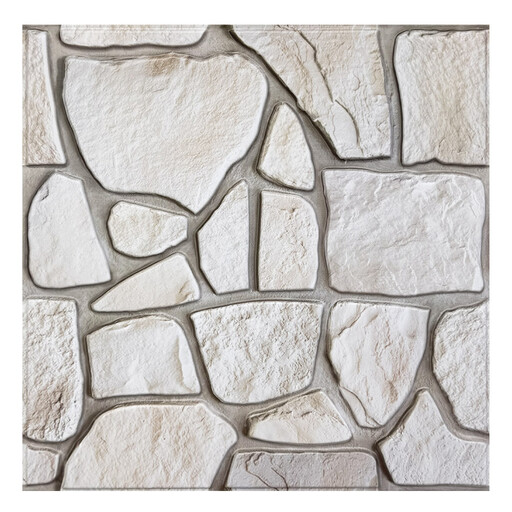
Why This Fits Their Persona: The stone-effect design is intended for kitchen backsplashes, fireplace surrounds, living rooms, caravans, offices and other accent areas.
The instructions specify dry, flat surfaces and a 30 cm distance from stoves and fireplaces, helping prevent unsuitable installation.
3 mm PVC and EVA construction; stated coverage of 0.9 m² per ten panels; touchable simulated stone texture.
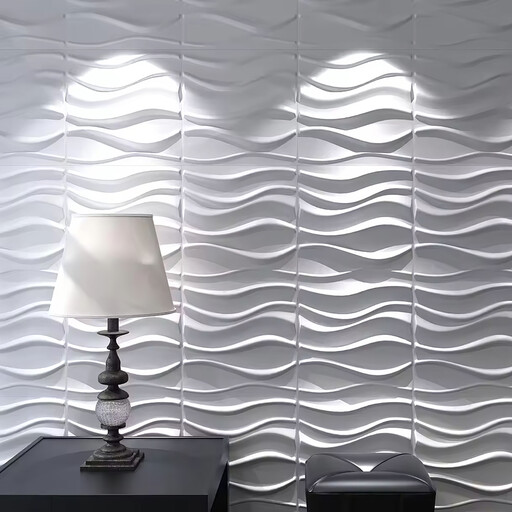
Why This Fits Their Persona: The wave pattern provides an alternative to faux brick wall panels for a contemporary feature wall, media area or office backdrop.
A decorative wave format avoids choosing a faux-brick design solely because it is familiar, while still using a listed PVC panel format.
Pack of 12 decorative PVC 3D panels; wave design creates tactile surface interest.
We have compiled a complete, real-time list of products that fully satisfy these strict selection criteria and UK safety regulations.
They can be suitable for a dry or lightly splashed backsplash area when the product is marked as water-resistant and installed away from direct heat. Do not place them directly beside a hob or inside a shower area unless the manufacturer specifically confirms that use. Seal or protect exposed edges only if the instructions permit it.
Lifespan depends on surface preparation, humidity, temperature, cleaning and adhesive quality. A clean, dry and flat wall generally provides more reliable adhesion than dusty plaster, damp masonry or heavily textured paint. Follow the stated curing period and inspect edges periodically.
Removal may be easier when the adhesive is warmed with a hairdryer or heat gun and the panel is pulled slowly from a corner. Damage remains possible, particularly on old paint, wallpaper, weak plaster or recently decorated walls. Test one concealed panel before covering a large area.