
24/7 Customer Support

Free returns

Same-day & Next-day Delivery

Quality Guaranteed

Unlock Your Welcome Offers: FREE Delivery | Up to 80% OFF | Free 30-day JoyPlus trial
Download the APP
Self-adhesive PVC flooring can refresh a tired room without the cost, dust and disruption of a full flooring replacement. Peel-and-stick flooring is also useful for rented homes, shop displays, office areas and temporary room makeovers. However, a low price or attractive wood effect does not automatically mean a suitable purchase.
Before ordering, check the product’s dimensions, surface compatibility and removal instructions. These details often determine whether your DIY flooring project looks neat for months or begins lifting at the edges within weeks.
A roll or pack may look generous in product images but cover less area than expected once you account for joins, trimming and pattern alignment. Measure the floor’s length and width, then add extra material for mistakes and awkward corners.
For roll-style self-adhesive vinyl flooring, check both the length and width. For PVC floor tiles, confirm how many pieces are included and calculate the total coverage rather than relying on the product title alone.
A waterproof stick-on flooring surface may resist water on its face, but moisture can still enter through gaps, edges or an unsuitable subfloor. Damp, dusty, uneven or porous surfaces can reduce adhesion.
Bathrooms and kitchens require particular care. The surface should be flat, dry, clean and firm, and any existing damage should be repaired before installation. Avoid allowing water to sit around seams and edges.
A removable floor covering may be easier to lift than permanent flooring, but removal depends on the adhesive, surface condition, temperature and length of use. Test a small concealed section first, especially on painted floors, laminate, varnished wood or rented-property surfaces.
Do not confuse flooring adhesive with rug-gripping tape. A tape product is designed to secure a mat or carpet, not to create a complete floor surface.
PVC is commonly selected for its wipe-clean surface and flexible format. Look for clear information about whether the product is designed for floors, walls or both. Some wood effect flooring products are supplied as decorative wallpaper-style rolls, so confirm that the intended application matches your project.
For indoor use, consider:
Measure the installation area in square metres. For a rectangular room:
Length in metres × width in metres = floor area
Add a sensible allowance for trimming, misalignment and replacement pieces. With wood effect flooring, also consider the direction of the grain and how the pattern will meet at joins.
A roll measuring 300cm × 60cm provides a specified area of 1.8 square metres before trimming. A pack of 12 or 36 tiles requires a separate calculation based on each tile’s dimensions, which should be confirmed on the product listing.
The adhesive backing should meet the needs of the surface, but installation quality matters just as much as the product. Remove dust and grease, allow the surface to dry fully, and smooth out small imperfections where possible. Apply gradually rather than exposing the entire adhesive backing at once.
For rugs on smooth floors, choose non-slip carpet tape or residue-free rug tape instead of attaching a floor covering permanently. Check the tape’s surface compatibility and follow its removal instructions.
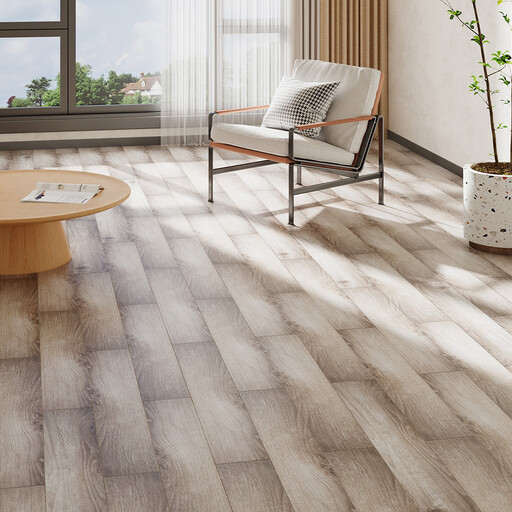
Why This Fits Their Persona: A 36-piece format can suit shoppers planning a measured DIY refresh and wanting separate pieces for easier handling during installation.
The tile format makes it easier to calculate the required quantity instead of estimating coverage from a lifestyle image.
36-piece pack; self-adhesive PVC format designed for a DIY installation approach.
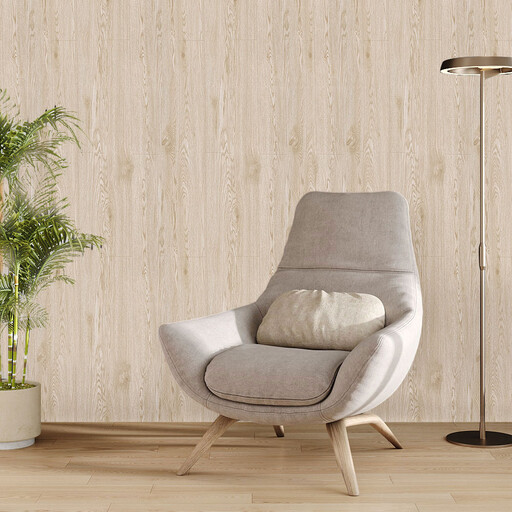
Why This Fits Their Persona: The light beige wood effect is suited to shoppers seeking a warmer visual finish for a kitchen, bathroom, office or shop interior.
The listing specifies the roll size, application conditions and the need to buy sufficient material at one time to reduce possible colour variation.
300cm × 60cm roll; wood effect; described as waterproof, moisture-resistant and wipe-clean.
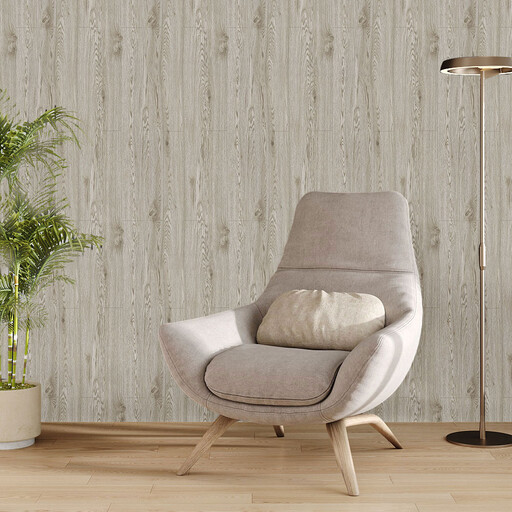
Why This Fits Their Persona: The grey wood effect works for practical indoor refreshes where a neutral appearance and wipe-clean surface are priorities.
The product information clearly states the required surface conditions and indoor-use limitations, helping buyers avoid unsuitable high-heat locations.
300cm × 60cm roll; grey wood effect; described as tear-resistant, waterproof and removable without sticky residue.
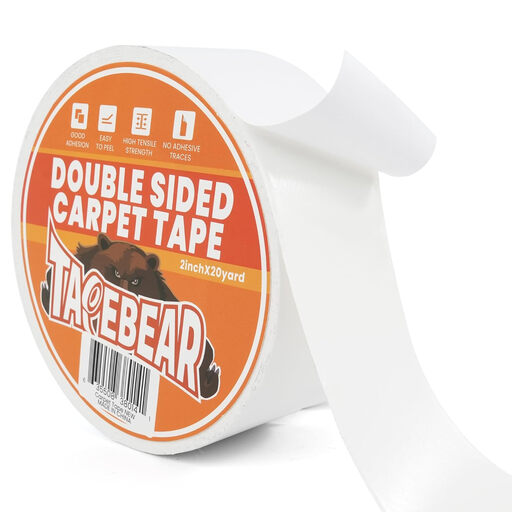
Why This Fits Their Persona: Renters and households with loose area rugs can secure mats on smooth wood, tile, vinyl or marble surfaces without installing a full floor covering.
It is a rug-gripping product rather than a misleading substitute for flooring, and the listing describes residue-free removal from compatible smooth surfaces.
50mm × 18m roll; designed for carpets and rugs; stated compatibility with several smooth surfaces.
We have compiled a complete, real-time list of products that fully satisfy these strict selection criteria and UK safety regulations.
For rug tape, apply strips to a clean, dry surface and press the carpet firmly into position. The TAPEBEAR listing advises keeping the product away from young children, avoiding eye contact and not using it on heated floors or surfaces above the stated temperature limits.
It can be suitable where the product is described as waterproof or moisture-resistant, but the subfloor must be flat, dry and sound. Seal and maintain vulnerable seams according to the product instructions, and do not treat peel-and-stick flooring as a replacement for professional waterproofing.
Lifespan depends on foot traffic, subfloor preparation, cleaning and exposure to moisture or heat. Thorough preparation and careful installation can help reduce lifting and premature wear. Check the individual listing for usage limitations rather than relying on a general lifespan promise.
Some products are designed to be removable, but results vary by surface and adhesive contact time. Lift slowly and test a hidden area first. On rented properties, obtain permission where necessary and keep the original flooring protected.