
24/7 Customer Support

Free returns

Same-day & Next-day Delivery

Quality Guaranteed

Unlock Your Welcome Offers: FREE Delivery | Up to 80% OFF | Free 30-day JoyPlus trial
Download the APP
As a cat owner in the UK, the promise of a self-cleaning cat litter box is undeniably appealing. The thought of reclaiming your time and eliminating the daily chore of scooping is a powerful motivator. However, the market is filled with models that promise convenience but often deliver frustration. Many well-intentioned buyers find themselves with a pricey gadget that their cat refuses to use, or one that creates more mess than it solves.
Before you invest, it's crucial to understand the common pitfalls. As your Joybuy Product Recommendation Officer, my role is to help you see past the marketing hype and focus on the features that truly matter. Here are the three most common traps to avoid:
To make a confident choice, you need to look beyond flashy features and analyse the core mechanics. These are the non-negotiable parameters to check before adding any automatic cat litter box to your basket.
A reliable robotic litter box must prioritise your cat's safety above all else. A comprehensive safety system uses multiple technologies working in unison. Look for models that specify a multi-point system, which typically includes:
A combination of these systems provides the redundancy needed for peace of mind.
True odour control is a multi-stage process. A simple lid is not enough. An effective system will incorporate several of these elements:
The capacity of a smart litter tray is measured in two ways: the internal volume for the cat and the size of the waste bin.
Instead of a single "best" model, the right choice depends on your specific needs and household. We have matched some standout options to different cat owner profiles.
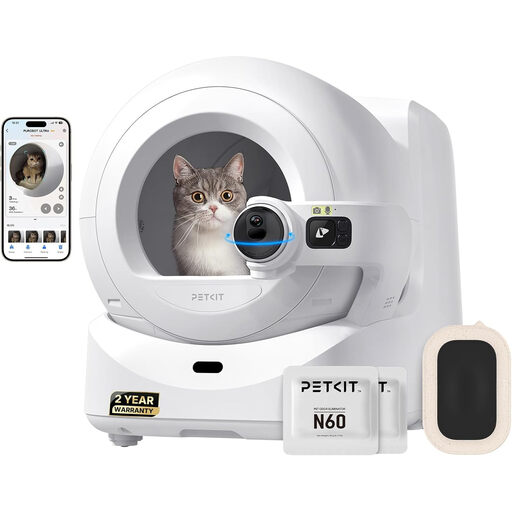
Why This Fits Their Persona: This user wants more than just cleaning; they want proactive cat health monitoring. The integrated camera and AI analysis provide data on toilet habits, which can be shared with a vet. It's the ultimate app-controlled cat toilet for data-driven pet care.
It moves beyond the "one-size-fits-all" trap by offering personalised health tracking for each cat in a multi-cat home, using facial recognition to distinguish between pets.
The 180° rotating camera captures images of waste for analysis of colour and consistency, providing early indicators of potential health issues. The 10L waste bin is also ideal for multiple cats.
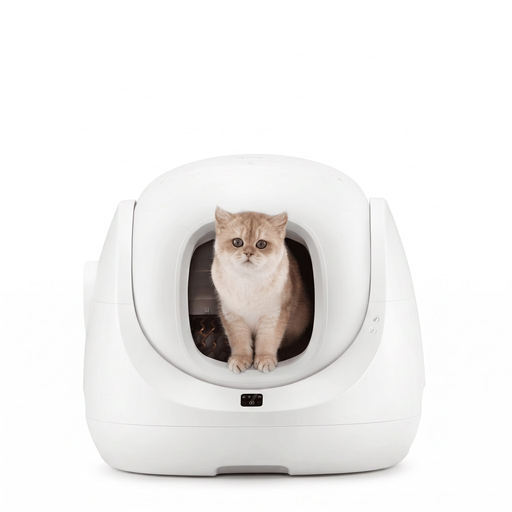
Why This Fits Their Persona: For homes with several feline friends, capacity and hygiene are paramount. This user needs a robust, extra large cat litter box that can handle heavy use without constant maintenance or odour issues.
It directly solves the "one-size-fits-all" and "odour-free myth" traps. Its huge 70L capacity accommodates large cats, while its multi-stage OdorLock tech with a sealed lid and deodorant gel provides effective odour management.
Features AI-powered identification to track the weight and toilet habits of individual cats, which is invaluable in a multi-cat home. The low-entry design with a removable ramp also makes it accessible for cats of all ages.
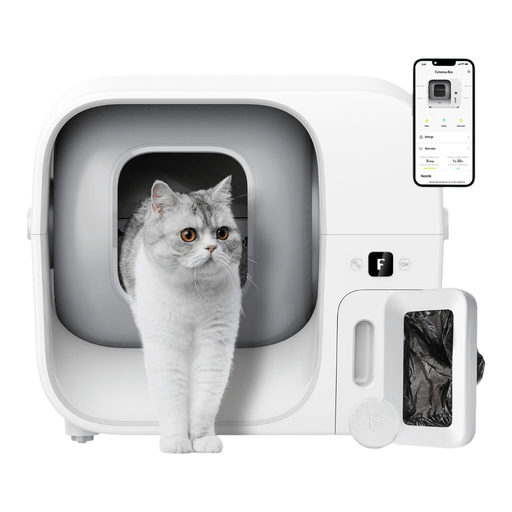
Why This Fits Their Persona: This user wants the most hands-off experience possible. Their goal is to minimise all contact with cat waste, including the final disposal step. The Furbulous automates the entire process from scooping to bagging.
It provides a unique solution to the "odour-free myth" by not just containing waste, but automatically packing and heat-sealing it. This prevents any odour from escaping, even when you remove the bag from the unit.
The standout feature is its self-packing and sealing mechanism, which also automatically refills the bin with a new bag. It offers a level of automation not seen in most other models.
We have compiled a complete, real-time list of products that fully satisfy these strict selection criteria and UK safety regulations.
This is a critical question. Most rotating or sifting robotic litter box models are designed exclusively for use with hard-clumping clay litter. The mechanism relies on the litter forming solid, discrete clumps that can be separated from clean litter. Using non-clumping, silica/crystal or paper-based litters will cause the system to fail and may damage the motor. Always check the manufacturer's specifications, as some models are compatible with mixed-material litters (like tofu or corn), but very few work with non-clumping types.
Patience is key. Place the new smart litter tray next to their old one, but don't turn it on for a few days. Let your cat explore it at their own pace. You can encourage them by adding a scoop of their used litter to the new box to transfer their scent. Once they begin using it, you can remove the old box and switch on the automatic cleaning mode. It's wise to set the cleaning cycle delay to a longer time (15-20 minutes) initially, so your cat doesn't associate the sound and movement with their presence.
The initial investment is higher than a standard litter tray, but it's important to factor in the ongoing costs. These include electricity (which is generally very low), replacement litter, waste bags and occasionally carbon filters or deodoriser cartridges. For many, the time saved, the improved hygiene, the reduction in litter waste (as only soiled litter is removed) and the valuable insights from cat health monitoring features provide a return on investment that goes beyond pure financial calculation.