
24/7 Customer Support

Free returns

Same-day & Next-day Delivery

Quality Guaranteed

Unlock Your Welcome Offers: FREE Delivery | Up to 80% OFF | Free 30-day JoyPlus trial
Download the APP
Self-tanning products can provide a sunless glow without relying on UV exposure, but the wrong formula can leave you with orange tones, patchy ankles or a tan that transfers onto clothing. UK shoppers also need to consider development time, fragrance, skin tone compatibility and whether a product is intended for the face or body.
The packaging does not always tell the full story. A “quick-drying” mousse may still need several hours before showering, while a gradual lotion may require repeated applications before you see noticeable colour. Use the following checks to narrow your options before buying.
Shade names such as light, medium and dark are only part of the decision. Undertones also influence the finished result. Fair skin may look overly warm when paired with a high-strength formula, while olive or deep skin can appear ashy if the product’s colour guide is not suitable.
Some colour-correcting formulas are designed for specific undertones:
These guides provide visual assistance during application, but the developing colour comes from tanning agents such as dihydroxyacetone (DHA) and, in some formulas, erythrulose.
A tinted self-tan foam or self-tanning mousse may look dark immediately after application because it contains a temporary guide colour. This is not necessarily the final result. Check the instructions for the required development period, which may range from one hour to six or more hours.
An express self-tan can suit people with limited time, but rinsing too early may produce a lighter result than expected. If you need colour for an evening event, allow time for the formula to develop before judging the finish.
A moisturising self-tan may include glycerin, aloe vera, plant oils, vitamin E or hyaluronic acid. These ingredients can improve the skin feel, but they do not remove the need for preparation or patch testing.
If you have sensitive skin, check the full ingredient list for fragrance, alcohol, essential oils and known allergens. Terms such as “vegan”, “fragrance-free” or “dermatologically tested” describe product features, but individual reactions can still vary.
Check whether the tan needs to remain on the skin for one hour, three hours, six hours or overnight. Also look for guidance on how frequently to reapply. Gradual formulas typically need daily or repeated use, while express products may offer a faster colour change but still require preparation and aftercare.
Moisturise regularly after rinsing to help reduce dry patches and encourage more even fading. Gently exfoliate before the next application rather than scrubbing aggressively over developing colour.
Look for a clearly stated shade range, intended body area and ingredient list using INCI names. UK cosmetic products should display required safety and responsible-person information on the packaging. Always follow the product directions, carry out a patch test where advised and avoid broken, inflamed or irritated skin.
Self-tan does not provide sun protection unless a separate, properly labelled sunscreen is applied. Products in this guide should not be treated as a substitute for SPF when spending time outdoors in the UK or abroad.
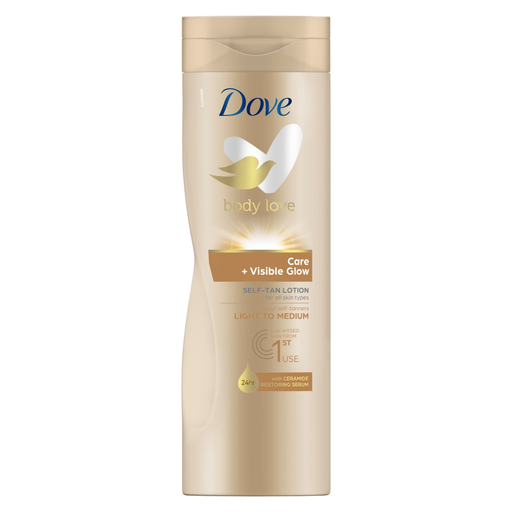
Why This Fits Their Persona: The 400ml lotion is suited to shoppers who want a gradual body tan that can be incorporated into a regular UK skincare routine.
Its fair-to-medium shade and gradual application reduce the need to commit to a dark colour in one session.
Gradual DHA-based colour; moisturising lotion format; 400ml bottle.
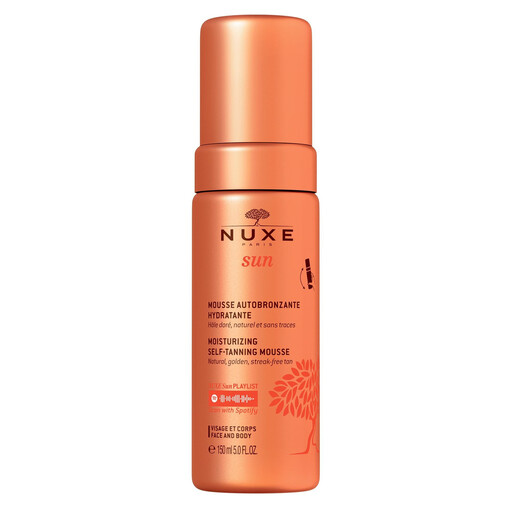
Why This Fits Their Persona: A mousse texture with plant oils and hyaluronic acid suits shoppers who prioritise a comfortable, moisturised skin feel alongside gradual colour.
The instructions specify blending, drying and avoiding water for six to eight hours, helping prevent rushed application decisions.
Lightweight mousse; plant oils and hyaluronic acid; gradual colour development.
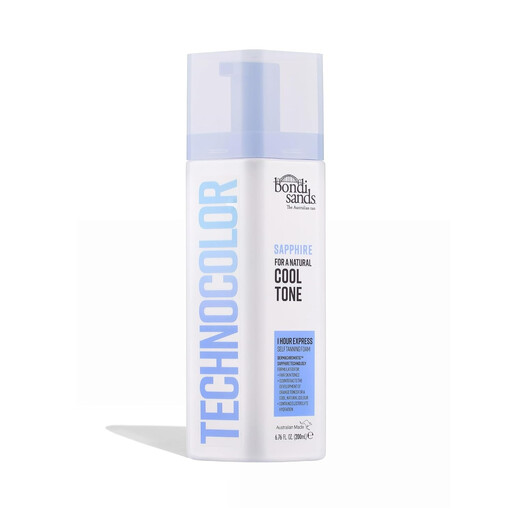
Why This Fits Their Persona: Fair-to-light skin shoppers with limited time can rinse after one hour, while leaving the foam longer allows a richer result.
The shade is specifically described for fair to light skin, with low-level tanning actives rather than an automatically dark finish.
One-hour rinse option; fragrance-free foam; aloe vera, coconut water and electrolytes.
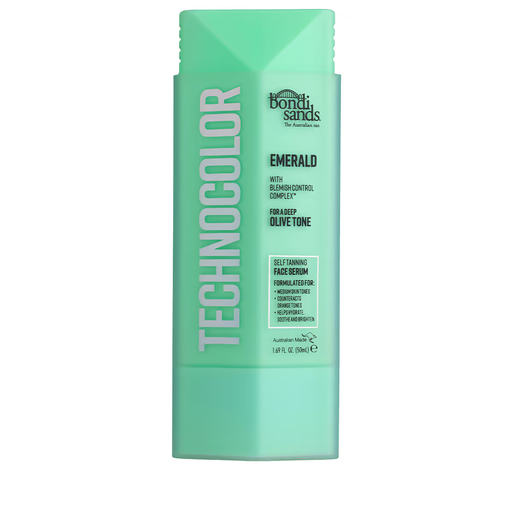
Why This Fits Their Persona: Medium skin users wanting a dedicated face self-tan serum may prefer a fragrance-free, non-comedogenic formula with a six-hour development period.
It is labelled for facial use rather than requiring shoppers to adapt a body product around the eyes, lips and jawline.
Fragrance-free; vegan; serum format with aloe vera, chamomile and vitamin C.
We have compiled a complete, real-time list of products that fully satisfy these strict selection criteria and UK safety regulations.
Most self-tan colour gradually fades as the outer layer of skin naturally sheds. Daily moisturising can help the finish fade more evenly. Reapplication may be needed every few days for gradual lotions, while other formulas may last around a week depending on skin type, washing and exfoliation.
Yes, but check the product’s drying and development instructions first. A quick-drying self-tan foam may allow dressing sooner, but avoid tight clothing, sweating and water until the stated development period is complete. Loose, dark clothing is a practical choice after application.
Yes. Self-tanning products do not automatically protect against UVA or UVB rays. Apply a separate broad-spectrum sunscreen with an appropriate SPF whenever you are exposed to sunlight, even when your skin appears tanned.