
24/7 Customer Support

Free returns

Same-day & Next-day Delivery

Quality Guaranteed

Unlock Your Welcome Offers: FREE Delivery | Up to 80% OFF | Free 30-day JoyPlus trial
Download the APP
Self-adhesive 3D wall panels can refresh a living room, hallway, bedroom or kitchen backsplash without grout, wet plaster or professional installation. They are particularly useful for renters, caravan owners and DIY decorators who want a decorative wall covering with less mess than traditional tiling.
However, product photos can make every option look equally suitable. The real differences often appear during installation and everyday use. Before choosing peel-and-stick wall panels, check the coverage, surface requirements, heat limitations and removal method rather than relying only on phrases such as “waterproof” or “strong adhesive”.
PVC wall stickers and 3D panels may tolerate occasional splashes or wiping, but that does not automatically make them suitable for shower walls or areas exposed to direct, continuous water. Several self-adhesive panels are intended for kitchens, bathrooms and utility rooms while specifically excluding shower spaces.
For a kitchen backsplash, keep panels away from direct flame and excessive heat. The supplied 3D PVC panel specifications advise maintaining a distance of at least 30 cm from a cooker or fireplace.
A pack that appears generous in product photography may cover only a small feature section. For example, ten 30 × 30 cm sheets cover approximately 0.9 m², or 9.7 square feet. Measure the wall in metres, subtract large openings such as doors, then add extra material for trimming, pattern alignment and mistakes.
Wallpaper rolls also vary considerably. One 44 × 305 cm roll covers approximately 14.4 square feet, making it more appropriate for an accent strip, furniture panel or small feature section than a full room wall.
Adhesive performance depends on the wall. Dusty, damp, textured, freshly painted or peeling surfaces can cause poor adhesion. Conversely, a strong backing may remove paint or wallpaper when pulled away quickly.
If you live in rented accommodation, test a hidden section first. For the PVC 3D panels described here, warming the adhesive gently with a hairdryer or heat gun and pulling slowly from a corner is recommended. Removal is not guaranteed to leave every surface unaffected, so keep the original wall finish in mind.
Many faux brick wall panels and faux stone wall panels use PVC with EVA and a raised simulated texture. A 3 mm construction can be lightweight and flexible, allowing panels to be trimmed with scissors or a utility knife. The finished appearance depends on the moulded texture, brick size, colour consistency and how neatly adjoining sheets line up.
For a softer decorative effect, peel-and-stick wallpaper made from PVC vinyl may be more suitable. It creates a flat, wipeable finish rather than a raised masonry effect and can work on wardrobe doors, cabinet fronts and small feature areas.
Check both the individual sheet or roll size and the total stated coverage. A 30 × 30 cm panel is convenient around sockets, corners and narrow sections, but it creates more joins across a large wall. Rolls can cover more continuous space but require careful alignment and gradual application.
Before ordering, prepare a simple cutting plan:
Look for clear instructions stating that the surface must be clean, dry, smooth and flat. Easy-clean wall panels should generally be wiped with a damp cloth rather than abrasive cleaners. Avoid applying them over loose wallpaper, crumbling plaster or heavily textured walls unless the manufacturer specifically confirms suitability.
“Waterproof” wording should be read alongside the safety restrictions. The supplied faux brick and faux stone panels are not intended for floors, outdoor use or shower spaces. The floral PVC wallpaper is decorative only and should not be used on ceilings or in areas with excessive moisture or direct water exposure.
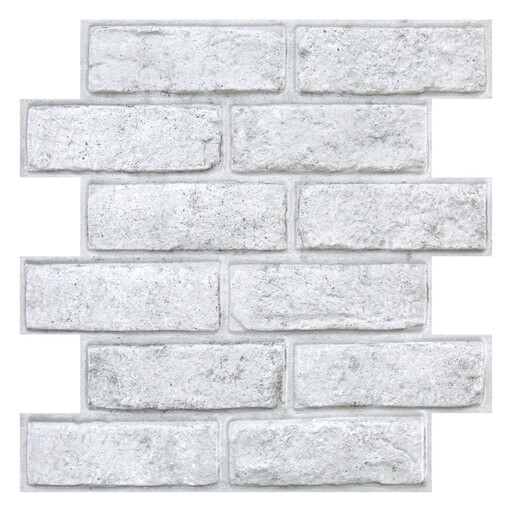
Why This Fits Their Persona: Ten 30 × 30 cm sheets provide a manageable starting quantity for a small hallway section, entryway, coffee corner or living-room feature area.
The listed coverage is clear, helping buyers calculate the quantity before ordering rather than judging by the product image.
3 mm PVC and EVA construction; peel-and-stick backing; can be cut with scissors or a utility knife.
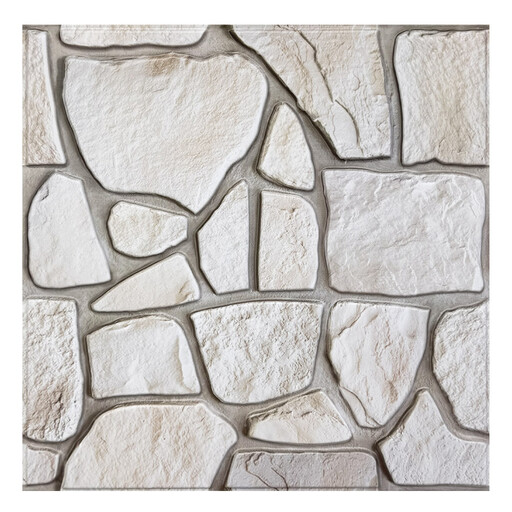
Why This Fits Their Persona: The warm white stone pattern suits buyers seeking a lighter feature wall for kitchens, living rooms, bedrooms or fireplace surrounds.
The product information specifies 0.9 m² coverage per ten-sheet pack and states that it is unsuitable for showers, floors and outdoor areas.
Touchable simulated stone texture; wipe-clean PVC surface; strong adhesive backing and flexible 3 mm panels.
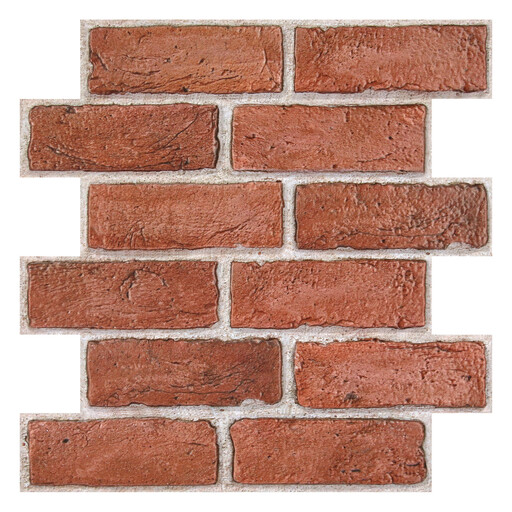
Why This Fits Their Persona: The terracotta finish is suited to rustic feature walls, dining rooms, fireplace areas and accent sections in homes, offices or caravans.
The usage guidance states where heat clearance is required and excludes shower spaces, outdoor settings and floors.
Water-resistant and wipeable surface; lightweight 0.13 lb sheets; no grout or separate wall glue required.
For a flatter decorative wall covering, removable wallpaper can be applied in smaller sections. The Murgall Falling Flowers design measures 44 × 305 cm per roll and is intended for smooth, flat, clean and dry surfaces.
They can be suitable for a backsplash area away from direct flames and excessive heat, provided the wall is smooth, dry and clean. They should not be treated as a substitute for heat-rated materials behind a hob. The supplied panel guidance recommends keeping them at least 30 cm from a cooker or fireplace and excludes shower spaces.
Lifespan depends on wall preparation, humidity, temperature, cleaning and the quality of the bond. There is no universal lifespan for every product. Pressing edges and joins correctly, avoiding abrasive cleaners and keeping panels away from excessive moisture can help maintain their appearance.
They can often be removed by gently warming the adhesive and pulling slowly from a corner, but results vary according to the paint, plaster and existing wall covering. Test a concealed area first, particularly on rented walls, and keep the original finish in mind before covering a large surface.
We have compiled a complete, real-time list of products that fully satisfy these strict selection criteria and UK safety regulations.