
24/7 Customer Support

Free returns

Same-day & Next-day Delivery

Quality Guaranteed

Unlock Your Welcome Offers: FREE Delivery | Up to 80% OFF | Free 30-day JoyPlus trial
Download the APP
Self-tanning products can deliver a sun-kissed appearance without depending solely on UV exposure, but choosing the right formula is not always straightforward. A gradual tan lotion, self-tanning mousse, express self-tan and face serum all work differently, and the shade shown on the packaging may not reflect the result on your skin.
Three common purchasing traps are worth avoiding:
Choose the texture according to your routine:
The active ingredient dihydroxyacetone (DHA) reacts with amino acids on the surface of the skin to create temporary colour. It does not provide UV protection.
Look for wording such as fair to medium tan, medium to dark tan, olive, cool-toned or warm-toned. A buildable formula gives more control than a very deep one-off application.
For a natural-looking tan:
Terms such as vegan self-tan, fragrance-free and sensitive skin self-tan can help narrow your selection, but they do not guarantee that a product will suit every individual. Always check the current ingredient list and carry out a patch test.
Preparation often has more effect on evenness than the product format. Exfoliate around 24 hours before application, pay attention to elbows, knees and ankles, and avoid applying over broken, irritated or sunburned skin.
Use a mitt where possible, blend in circular or long sweeping motions, and wash your hands immediately afterwards. Allow the product to dry before dressing and follow the stated water-free development period. Fragrance, colourants and preservatives may be relevant if you have reactive or sensitive skin.
A tan accelerator or SPF 30 tanning lotion is different from a sunless self-tanner. For example, a product containing SPF 30 is intended for sun exposure and must be applied generously and reapplied after swimming, sweating or towelling. It should not be treated as a substitute for avoiding intense midday sunlight.
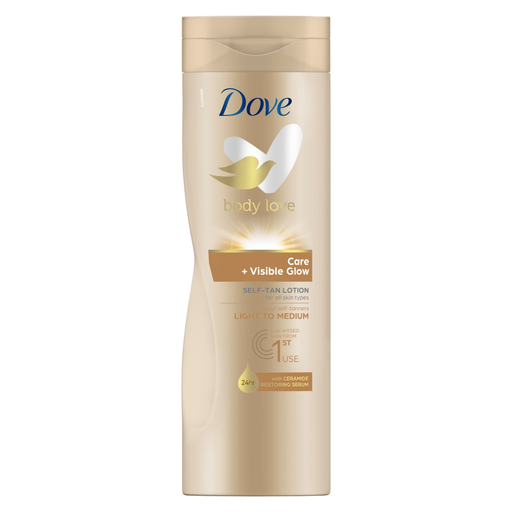
Why This Fits Their Persona: A 400ml gradual lotion suits beginners who want to add tanning to an everyday body-care routine without committing to an intense first application.
Its fair-to-medium positioning and gradual DHA format reduce the risk of choosing an overly dark shade straight away.
Large 400ml format; fast-absorbing lotion designed for daily use and buildable colour.
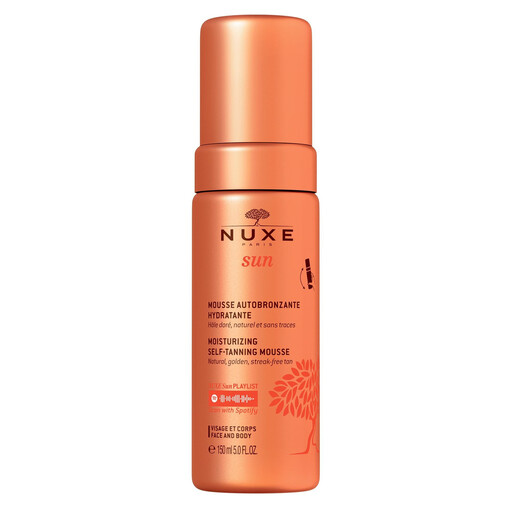
Why This Fits Their Persona: The mousse texture and stated moisturising ingredients suit shoppers who prioritise a refined application feel alongside a gradual body tan.
The instructions specify exfoliation, moisturising dry areas and a 6–8-hour development window, helping set realistic expectations.
Lightweight mousse; plant oils and hyaluronic acid are listed among its moisturising components.
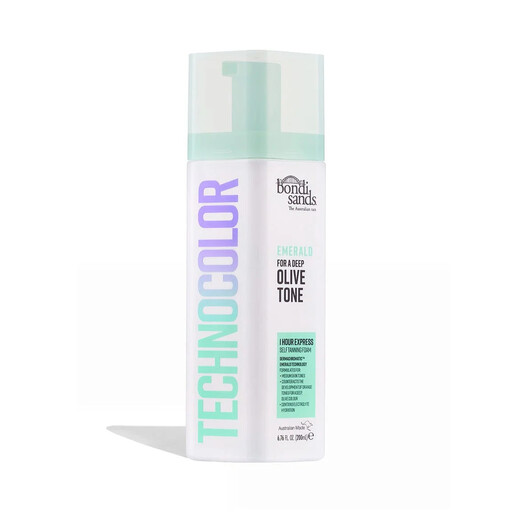
Why This Fits Their Persona: The express format is practical for UK shoppers preparing for an evening out, holiday or event when a full overnight development period is inconvenient.
Its emerald guide is designed for medium skin tones and is intended to counteract orange tones rather than relying on a generic deep shade.
Rinse-after-one-hour option; fragrance-free, vegan and dermatologically tested according to the supplied product details.
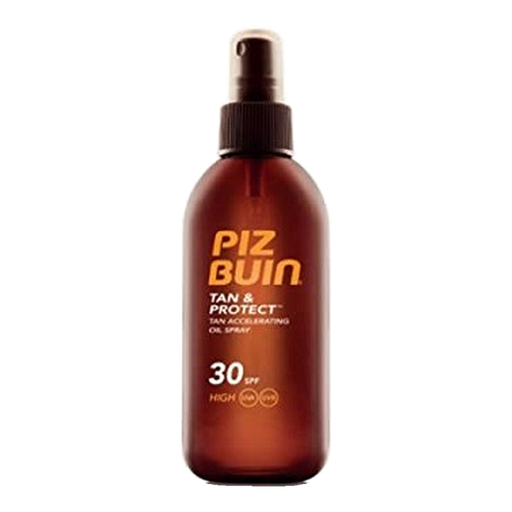
Why This Fits Their Persona: This is for outdoor users who want a tan intensifier format with SPF 30 rather than a sunless self-tanning product.
The SPF 30 label clearly distinguishes it from products that create colour without UV protection. It still requires generous application and reapplication.
SPF 30 broad-spectrum UVA/UVB protection stated on the product; fluid, non-sticky spray or lotion formats are available.
We have compiled a complete, real-time list of products that fully satisfy these strict selection criteria and UK safety regulations.
Many sunless tans gradually fade as the outer skin cells shed. Longevity varies with formula, washing, exfoliation and moisturising. Gradual products may need repeated application every day or every few days, while a mousse may require refreshing after several days.
Only use it on the face if the product instructions permit this. Face self-tan serums and lotions are generally formulated for facial application and may offer a lighter texture. Avoid the eye area, lips and damaged skin, and patch test before use.
No. DHA creates temporary surface colour but does not protect against UV radiation. Choose a separate sunscreen with an appropriate SPF, apply enough product and reapply as directed when outdoors.