
24/7 Customer Support

Free returns

Same-day & Next-day Delivery

Quality Guaranteed

Unlock Your Welcome Offers: FREE Delivery | Up to 80% OFF | Free 30-day JoyPlus trial
Download the APP
As our feline companions enter their golden years, their nutritional needs begin to change. You might notice your cat slowing down, becoming a little stiffer in the mornings or developing a more sensitive stomach. Choosing the right senior cat food is one of the most direct ways you can support their health, comfort and vitality.
Navigating the sheer number of options can be overwhelming. This guide is designed to help you understand what to look for in a dry food for older cats and to highlight a few carefully selected products that cater to the specific requirements of ageing felines.
As cats age, their metabolism, digestion and mobility change. A diet formulated for their senior years can make a significant difference. Here are a few key factors to consider during your search.
One of the most common concerns for owners of older cats is joint stiffness. Many senior cat food formulas include ingredients specifically to aid mobility. Look for foods enriched with glucosamine and chondroitin, which are compounds that help support cartilage and joint health. Omega-3 fatty acids, often sourced from fish oil, also play a role in maintaining joint function.
An older cat's digestive system can become less efficient. High-quality, easily digestible protein is crucial for maintaining muscle mass without overburdening their system. This is why a high protein cat food for older cats should use sources like chicken or turkey as a primary ingredient. Furthermore, ingredients like prebiotics (e.g., chicory root) and probiotics help to nurture a healthy gut microbiome, promoting smooth digestion and better nutrient absorption. For felines with known sensitivities, a hypoallergenic senior cat food that avoids common allergens like beef, dairy and wheat can be an excellent choice.
The term "senior" can cover a wide age range. A 7-year-old cat has different needs from a 12-year-old. Some formulas are designed for cats aged 7+, while others are tailored for those 11 and over. Consider your cat's individual health. Are they struggling to maintain weight? Look for a calorie-dense formula. Are they prone to weight gain? A lower-fat option might be more appropriate. For cats with dental sensitivities, the size and texture of the kibble can also be an important consideration.
Here are three distinct dry food options formulated to meet the challenges of feline ageing. Each one offers a different focus, allowing you to find a suitable match for your cat's specific needs.
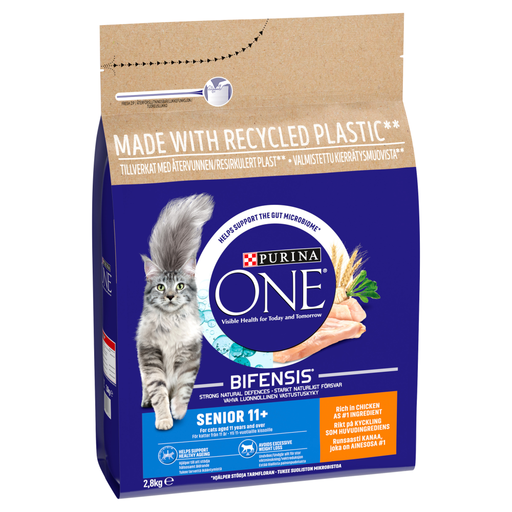
Why It Stands Out: This formula is specifically designed for the advanced needs of cat food for cats over 10 years old, with a focus on gut health and immune support. Its unique Bifensis formula contains heat-treated Lactobacillus, a beneficial bacteria intended to help strengthen natural defences from the inside out.
Pros:
Who is it for? This is an excellent choice for owners of very senior cats (11+) whose primary concerns are supporting digestive health, bolstering the immune system and ensuring their pet maintains a healthy weight.
View Purina ONE Bifensis Senior 11+
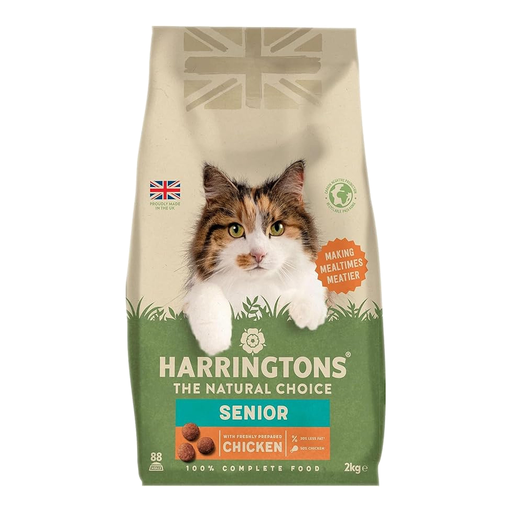
Why It Stands Out: Harringtons focuses squarely on joint care and digestive tolerance with its grain-free senior cat food formula. The inclusion of glucosamine and chondroitin sulphate directly addresses mobility, a common issue in ageing cats.
Pros:
Who is it for? Ideal for owners of senior cats (7+) who are looking for proactive joint support or require a grain-free diet. It's a strong contender for cats showing early signs of stiffness or those with sensitive stomachs.
View Harringtons Senior Dry Cat Food
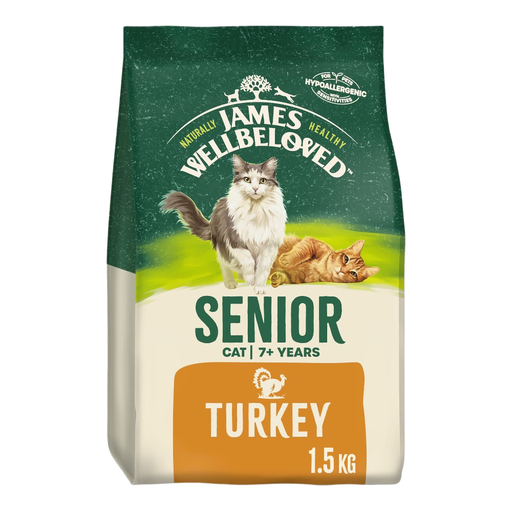
Why It Stands Out: This food is crafted with a hypoallergenic recipe, making it a go-to for senior cats with food sensitivities. It deliberately excludes common allergens such as beef, pork, soya, eggs, dairy and wheat, using a single source of animal protein (turkey) to minimise the risk of adverse reactions.
Pros:
Who is it for? This is the top choice for owners of senior cats with known food allergies, sensitive stomachs or skin issues. Its gentle, single-protein formula provides complete nutrition while actively avoiding common triggers.
View James Wellbeloved Cat Senior Turkey
The products highlighted here address some of the most common needs of senior cats, but every feline is an individual. If your cat has different dietary requirements or you'd simply like to explore a wider variety of flavours and formulas, we invite you to browse our complete collection.
Explore Our Full Range of Senior Pet Food
Most veterinarians and pet food manufacturers recommend transitioning to a senior diet when your cat is around 7 years old. However, some cats remain active and healthy on an adult diet for longer. Formulas specifically for cats aged 11+ are also available for those in their more advanced years. A good indicator is when you start noticing age-related changes in their activity levels, weight or digestion.
Senior cat foods are specifically formulated to address the physiological changes of ageing. They typically have:
Dry food for older cats offers several benefits. The crunchy kibble can help to reduce tartar and plaque build-up, supporting dental health. It is also convenient to store and measure. However, some older cats may have dental issues that make chewing difficult or they may not drink enough water. In these cases, combining dry food with a senior-specific wet food can be a great way to ensure they get the benefits of both while increasing their hydration.