
24/7 Customer Support

Free returns

Same-day & Next-day Delivery

Quality Guaranteed

Unlock Your Welcome Offers: FREE Delivery | Up to 80% OFF | Free 30-day JoyPlus trial
Download the APP
As our canine companions enter their golden years, we often notice subtle changes. Perhaps they are a little slower on their morning walk, take longer to get up from a nap or have become more particular about their meals. Just as our own dietary needs evolve, so do our dogs'. Switching to a food specifically formulated for their age can make a significant difference to their comfort and vitality.
Navigating the world of senior dog food can feel overwhelming. Labels are filled with technical terms and every brand promises to be the right choice. As the Joybuy Product Recommendation Officer, my role is to help you understand what matters, so you can make an informed decision for your loyal friend. This guide will walk you through key considerations and highlight some excellent options available in the UK.
When comparing options, focusing on a few key areas can help you identify a high-quality diet that meets the specific needs of an ageing dog.
One of the most common concerns for owners of older dogs is joint stiffness. Many senior dog foods are fortified with ingredients to support mobility. Look for formulas that include:
A good senior dog food for joints will clearly list these ingredients and their levels in the composition.
A senior dog's metabolism slows down and they are generally less active than they were in their youth. This makes them more susceptible to weight gain, which can put extra strain on their joints and overall health. Senior formulas are typically designed with:
Always check the feeding guide on the packaging and adjust it based on your dog's body condition and activity level.
As dogs age, their digestive systems can become more sensitive. A quality natural senior dog food should be made with highly digestible ingredients to ensure they can absorb all the nutrients they need. Consider foods that are:
Based on their formulations and ingredient quality, here are a few standout options to consider for your senior companion.
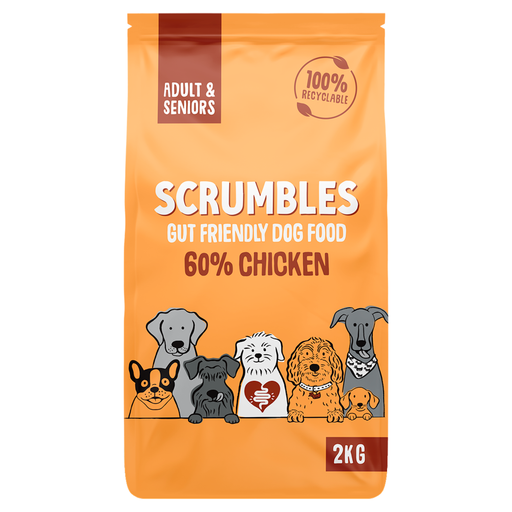
Why It Stands Out: While suitable for adults too, this Scrumbles recipe is an excellent choice for senior dogs, particularly those with delicate digestion. Its key feature is the inclusion of 1 billion live probiotics per kg, designed to support gut health and immunity. The high chicken content (60%) provides quality, digestible protein.
Pros:
Who is it for? This is a strong option for owners prioritising digestive health or for dogs who may be transitioning into their senior years and need extra gut support.
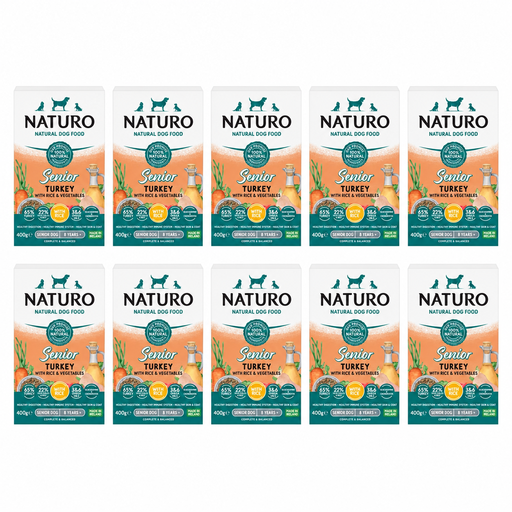
Why It Stands Out: For dogs who prefer a softer meal, this wet food for senior dogs from Naturo is an excellent choice. Made with 100% natural ingredients, its primary protein is 65% turkey, which is both palatable and easy to digest. The high moisture content is also beneficial for hydration, a common concern for older pets.
Pros:
Who is it for? A great fit for senior dogs who have become fussy eaters, struggle with hard kibble or need to increase their water intake.
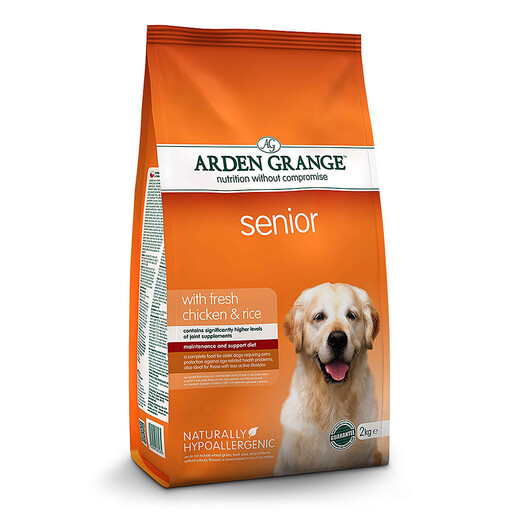
Why It Stands Out: This Arden Grange formula is specifically engineered for the challenges of old age, with a strong focus on mobility and weight management. It contains significantly higher levels of joint support supplements, including glucosamine (740mg/kg), MSM (740mg/kg) and chondroitin (520mg/kg). Its lower fat content (12%) helps manage a senior dog's waistline.
Pros:
Who is it for? An ideal choice for owners whose primary concerns are supporting their dog's joint health and preventing age-related weight gain.
Every dog is an individual, and the perfect food depends on their unique needs and tastes. If you're searching for different protein sources, grain-free options or other specialised formulas, you can browse our full range of senior dry food to find the right match.
1. At what age is a dog considered a senior? This varies by breed and size. Small breeds are often considered senior around 8-10 years, medium breeds around 7-8 years, and large or giant breeds as early as 5-6 years old. Rather than focusing on a specific number, it is often more helpful to look for signs of ageing, such as slowing down, greying around the muzzle or changes in sleep patterns.
2. Can I just feed my older dog less of their adult food? Simply reducing the portion of adult food is not recommended. While it may lower calorie intake, it can also lead to a deficiency in essential vitamins, minerals and protein. Specialised senior diets are formulated to be lower in calories and fat while being fortified with the specific nutrients older dogs need, such as extra joint support and antioxidants.