
24/7 全天候客户支持

免费退货

当日/次日达

品质保障

开启新人专享福利: 全场免邮 | 低至 2 折 | 免费试用 30 天 JoyPlus 会员
下载 Joybuy
Choosing senior home safety and health products involves more than comparing prices and star ratings. A shower handle may look reassuring but fail to grip the wrong surface, while a blood pressure monitor may offer many features yet use a cuff that does not fit correctly.
For older adults, family members, carers, pregnant women, injured people and anyone with mobility challenges, the right purchase should suit the home, the user and the intended routine. This guide explains the main buying traps, the specifications worth checking and our top recommendations from the available range.
Suction shower handles and removable shower grab bars are convenient because they do not require drilling. However, they need a smooth, non-porous and airtight surface to maintain suction. Suitable surfaces may include glass, smooth tile, metal, marble, stainless steel and acrylic.
Uneven tiles, porous stone, unfinished marble, wallpaper, plasterboard and textured walls can prevent the suction cups from sealing properly. A product described as a “no-drill grab bar” is not automatically suitable for every bathroom.
Many portable bathroom safety rails are intended to provide balance assistance, not to support a person’s entire body weight while falling, pulling up or transferring from a bath. Even where a product lists a weight capacity, follow the supplied safety guidance and do not use it as a replacement for a professionally installed, fixed grab rail where substantial weight-bearing support is required.
A large display is useful, but cuff fit and measuring technique have a direct effect on the usefulness of home readings. Check the user’s upper-arm circumference, follow the positioning instructions and remain still during measurement.
Memory storage, averaging and user profiles are practical features for households monitoring readings over time, but they do not turn a home blood pressure monitor into a diagnostic device. Results are for health reference and should not replace advice from a GP or other qualified healthcare professional.
When comparing shower grab bars for elderly users, check these points:
A pair of handles can be useful when positioned at different points, such as beside a bath entrance and near a shower area. Placement should not obstruct movement or create a trip hazard.
For a home blood pressure monitor for seniors, prioritise:
An automatic digital blood pressure machine should be used with the arm supported at heart level, with the user relaxed and quiet. If readings remain unusually high or low, seek medical advice rather than changing medication independently.
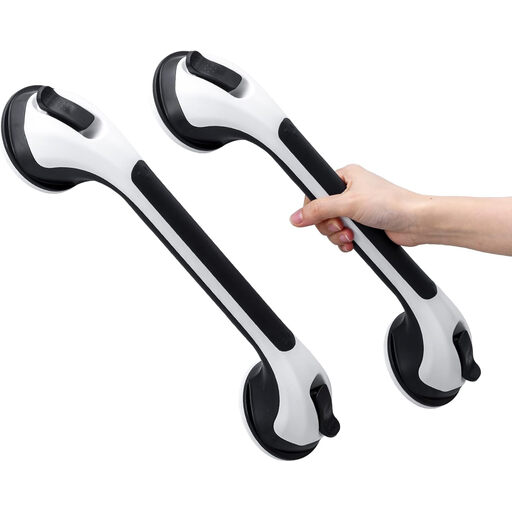
Why This Fits Their Persona: A two-pack gives households starting with basic bathroom support two removable handles for different locations without drilling into walls.
It specifies smooth, non-porous surfaces and states that the handles are for balance assistance rather than full body weight.
Two locking suction cups per bar, anti-slip grip strip and a listed 240 lb capacity per bar.
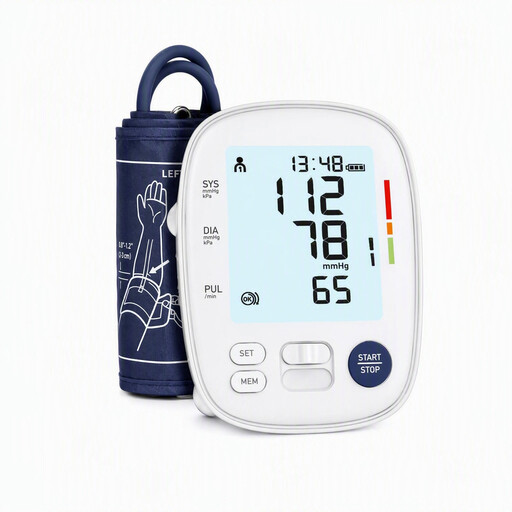
Why This Fits Their Persona: Suitable for users who value readable results, flexible power and additional data-management features for regular home routines.
Its 22–42 cm cuff range, placement self-check and movement reminder address common fit and technique problems.
Large LCD display, 2 × 120 memory sets, three-reading average, USB or battery power, optional voice and Bluetooth functions.
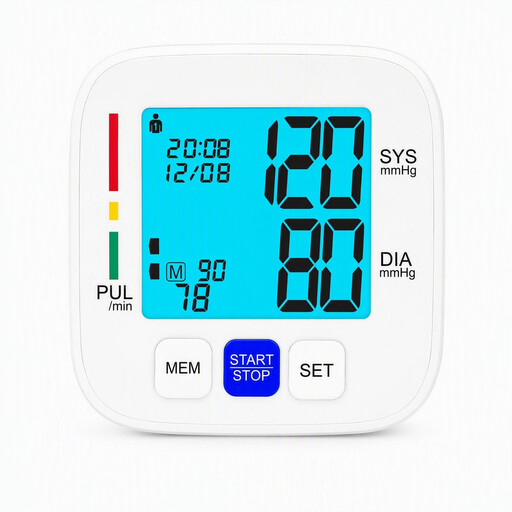
Why This Fits Their Persona: A practical choice for households needing routine readings for two users while keeping the device compact on a bedside table or shelf.
The upper-arm format and 22–42 cm cuff help users avoid relying on a potentially unsuitable wrist device or narrow cuff.
Two user profiles with 90 memory slots each, automatic three-reading average and timestamped records.
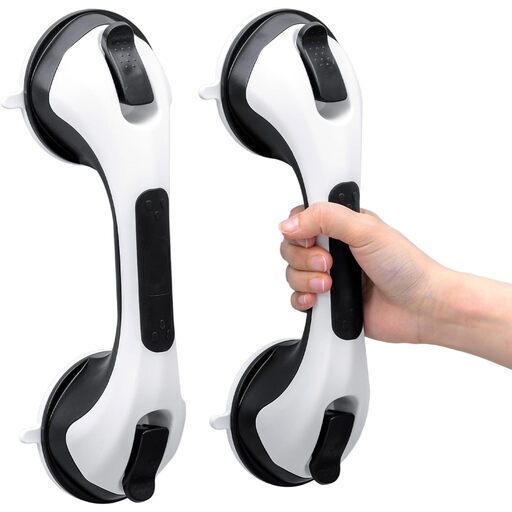
Why This Fits Their Persona: The 12-inch format is suited to households wanting removable support in baths, showers, toilets or kitchens without permanent alterations.
The instructions clearly exclude porous and uneven surfaces and require checking the locking latches before use.
Removable, reusable installation with no screws or glue, waterproof construction and anti-slip upper grip.
We have compiled a complete, real-time list of products that fully satisfy these strict selection criteria and UK safety regulations.
Suction handles generally have no drilling or installation charge, but they require routine checks. Before use, clean and dry the mounting surface, engage both locking latches and test the handle gently. Recheck it regularly, particularly after cleaning the bathroom or moving the handle.
Blood pressure monitors usually have modest running costs. The Treesmile U83H uses four AAA alkaline batteries and is specified for approximately 300 measurements per set under normal use. The Treesmile FC-BP100 supports batteries or a standard Type-C power cable, which may suit a device kept in one place. Battery life depends on usage, battery quality and storage conditions.
They can provide balance assistance when installed correctly on a suitable smooth, non-porous surface. They should not be treated as fixed, weight-bearing bathroom rails. Check the latches before every use and replace or reposition the handle if suction weakens.
Lifespan depends on surface conditions, cleaning, temperature, frequency of use and wear to the suction cups. Inspect the plastic, grip and locking mechanism regularly. Avoid extreme heat and direct sunlight, and follow the care instructions supplied with the product.
Measure around the upper arm and compare the result with the stated cuff range. The 22–42 cm cuffs in the featured monitors cover a broad range, but correct placement and posture remain important. If the cuff does not fit comfortably, ask a healthcare professional or pharmacist about a suitable alternative.