
24/7 Customer Support

Free returns

Same-day & Next-day Delivery

Quality Guaranteed

Unlock Your Welcome Offers: FREE Delivery | Up to 80% OFF | Free 30-day JoyPlus trial
Download the APP
Choosing senior dog food is not simply a matter of picking a bag marked “7+”. Older dogs often become less active, gain weight more easily or develop changes in appetite and digestion. At the same time, product packaging can make broad promises that are difficult to compare.
This guide explains the details worth checking before buying, from complete nutrition and fat content to food format, portion control and suitability for sensitive dogs.
“Senior”, “mature” or “golden years” wording does not automatically mean a food provides everything your dog needs. Look for a statement such as “complete pet food for senior dogs” or a clear indication that it is suitable as a complete daily meal.
Some products are designed only as mixers or supplements. For example, a turkey and oat mixer may be suitable for combining with raw meat, but it should not replace a complete diet. Feeding a complementary product alone can make it harder to provide balanced nutrition.
A front-of-pack description such as “chicken recipe” may not tell you how much chicken is present. Check the composition carefully. The product may contain meat and animal derivatives with only a stated percentage of the named meat.
This is not necessarily a flaw, but it affects comparison. A recipe listing 50% chicken is materially different from one listing 4% chicken within a broader meat category.
Glucosamine, chondroitin, salmon oil and similar additions are common in senior recipes. Their presence can be useful when comparing formulae, but they should not be treated as a guarantee of improved mobility or as a substitute for veterinary advice.
If your dog has persistent stiffness, pain, diagnosed arthritis, food intolerance or another condition, ask your vet whether a standard senior diet is appropriate.
For a dog aged seven or over, begin with the feeding statement rather than the marketing description. Senior dog food for dogs aged 7+ should state the intended age range clearly. Some wet recipes are for dogs aged 8 years and over, while others are suitable for adult and senior dogs of all breeds.
Confirm whether the food is:
If you are changing from adult food, introduce the new recipe gradually over around 7–14 days, following the product label.
Older dogs do not all need the same nutrient profile. A less active dog may benefit from a low-fat senior dog food, but reducing fat too far can affect palatability and energy intake. Compare analytical constituents rather than relying on phrases such as “light” or “healthy”.
For reference, the products listed here include dry food with fat levels ranging from 7% to 12%, while one wet turkey recipe lists 5.5% fat with 79% moisture. Wet and dry figures cannot be compared directly without considering their different moisture levels.
Protein is also worth checking. Senior recipes in this selection range from 18.5% to 26% crude protein on the label. Portion size, body condition and activity remain important, so follow the feeding guide and adjust to maintain a healthy weight.
For sensitive digestion, look for a clearly stated ingredient list and avoid recipes containing ingredients your dog has previously reacted to. A hypoallergenic senior dog food may use a limited recipe, such as fish and brown rice or ocean white fish and potato, but “hypoallergenic” does not mean suitable for every dog.
Other useful comparisons include:
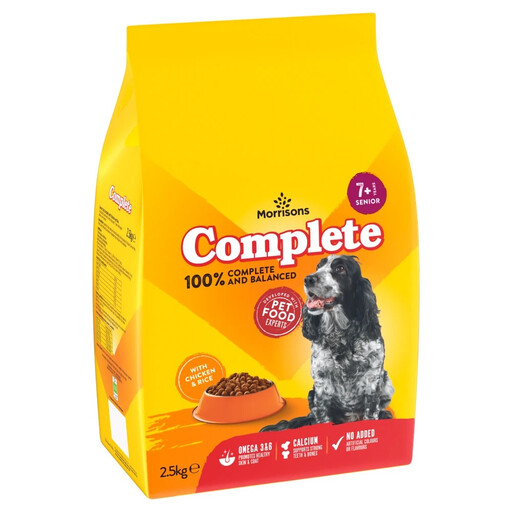
Why This Fits Their Persona: A practical starting point for UK owners comparing everyday senior food at a manageable pack size and price point.
It is labelled as 100% complete and balanced for senior dogs, making its role as a daily food clear.
2.5kg pack; 26% crude protein; omega-3 and omega-6 are listed.
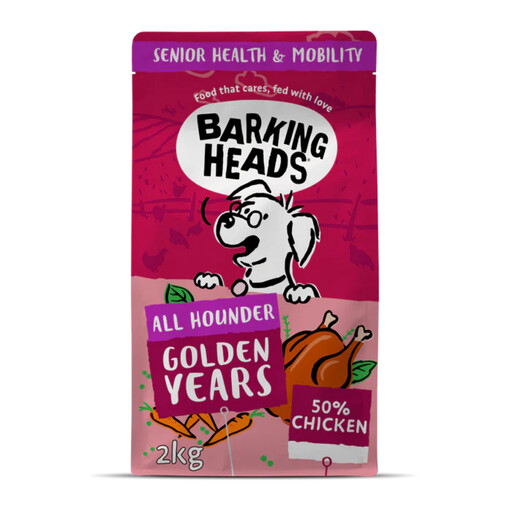
Why This Fits Their Persona: Suitable for owners prioritising a named chicken recipe, smaller purchase quantity and added senior-focused ingredients.
The composition specifies 50% chicken and provides declared glucosamine and chondroitin quantities.
25% crude protein; 10% fat; includes L-carnitine, prebiotics and salmon oil.
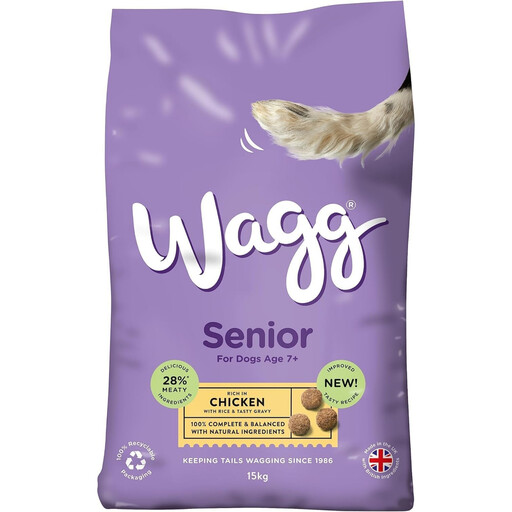
Why This Fits Their Persona: A large-format choice for multi-dog households or owners who prefer fewer repeat purchases.
The product is explicitly described as a complete senior diet, with feeding guidance based on weight and activity.
15kg quantity; 20% protein; 7% fat; includes glucosamine, chondroitin and L-carnitine.
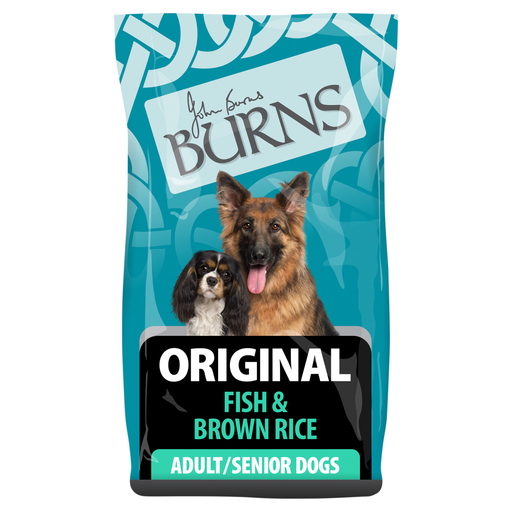
Why This Fits Their Persona: Designed for owners considering a fish-based, limited-ingredient option for an adult or senior dog.
Its composition lists brown rice at 61% and fish meal at 20%, rather than relying only on flavour wording.
7.5% crude fat; declared omega-3 and EPA+DHA; feeding guidance includes a lower senior portion.
Dry senior dog food is convenient to store, easy to portion and available in larger bags. It can suit households needing a lower-cost daily format, but check that your dog can comfortably chew the kibble and always provide fresh water.
Wet senior dog food has a higher moisture content and may be easier for some older dogs to eat. Naturo’s turkey recipe, for example, is supplied in 400g trays and is labelled complete and balanced for dogs aged 8 years and over. Once opened, it should be refrigerated and used within the stated period.
A mixed feeding routine can work, but calculate portions carefully. Combining wet and dry food without reducing the dry amount may increase total calories.
We have compiled a complete, real-time list of products that fully satisfy these strict selection criteria and UK safety regulations.
Many products are labelled for dogs aged 7+, while some begin at 8 years or use adult-and-senior life-stage wording. Breed size, activity and health also matter. Discuss the timing with your vet if your dog has a medical condition or is losing or gaining weight unexpectedly.
No. Lower-fat food may suit a less active or overweight dog, but energy requirements vary. Compare the feeding guide, monitor body condition and avoid making a major dietary change without professional advice where health problems are involved.
It depends on your dog’s weight, activity and the food’s feeding guide. A 15kg bag may offer better value for a large or multi-dog household, while a 1.7kg or 2kg bag can be more practical when introducing a new recipe. Store opened food sealed in a cool, dry place and follow the label’s storage instructions.