Choose an extra-strong tea bag when the drinker wants a more robust afternoon cup and regular caffeinated tea suits them; Tetley Extra Strong is sold for that flavour preference, not as a better choice for everyone. If hard water changes the brew, consider tea formulated for hard water instead. Where caffeine aggravates bladder symptoms, University Hospitals of Leicester NHS Trust’s advice makes decaf worth considering; anyone following iron-deficiency dietary advice should also consider when tea is served with meals, as University Hospitals Coventry and Warwickshire NHS Trust advises.
Who is each tea suited to?
Age alone does not determine how strong an afternoon tea should be. Flavour preference, the household’s water and the drinker’s circumstances make a more useful starting point.
Drinkers who prefer a bold cup
An extra-strong black tea is an option when fuller flavour, including in a cup with milk, is the aim and regular caffeinated tea suits the drinker. Compare it with a standard full-bodied tea before deciding that an extra-strong label is necessary.
Drinkers reducing caffeine
Decaffeinated black tea is an alternative when caffeine aggravates bladder symptoms or a clinician has advised reducing it. University Hospitals of Leicester NHS Trust notes that caffeine in tea and coffee can irritate the bladder; individual clinical advice still matters.
Households with hard water
A tea formulated for hard water is relevant if the household’s water changes the look or taste of an ordinary brew. Yorkshire Tea says hard water can make tea darker and thicker; this is a reason to consider water conditions, not to assume the tea is stronger.
What should you check before choosing?
Start with the flavour the drinker wants, then check the brewing conditions and whether caffeine or meal timing changes the choice.
| Priority | What to check | Your needs |
|---|
| Flavour and brewing |
Compare an explicitly extra-strong blend with a standard full-bodied tea. Follow the chosen pack’s brewing directions before adjusting the time to taste. |
I want a fuller afternoon cup, but I would rather adjust the brew than assume the strongest-labelled bag will taste right. |
| Caffeine |
Check whether the tea is regular or decaffeinated. If a specific caffeine limit matters, check the product information and seek individual clinical advice. |
If caffeine aggravates bladder symptoms or I have been advised to reduce it, I want a decaf option to consider. University Hospitals of Leicester NHS Trust notes that caffeine can irritate the bladder. |
| Household water |
Consider whether local hard water changes the tea’s appearance or taste. Compare a hard-water-specific blend only if that condition applies. |
Our usual tea looks or tastes different in the water at home, so I want to address that brewing condition rather than simply choose a stronger blend. Yorkshire Tea says hard water can make tea darker and thicker. |
| Tea with meals |
For someone following iron-deficiency dietary advice, check the recommended timing of tea around meals with their clinician or dietitian. |
I want afternoon tea to fit the advice given for an iron-focused meal. University Hospitals Coventry and Warwickshire NHS Trust advises that drinking tea with a meal can greatly decrease iron absorption. |
What can make the choice less suitable?
-
Assuming extra strong suits every afternoon cup
An extra-strong label addresses flavour preference; it does not address hard water or a reason to reduce caffeine.
Choose the blend for the drinker’s circumstances: compare extra-strong tea for a bold regular brew, a hard-water blend where water affects the cup, and decaf when caffeine reduction matters.
-
Trying to force strength through brewing
A cup that tastes too bitter may not reflect the flavour the drinker wanted from the tea bag.
Start with the directions on the pack, then adjust the brewing time gradually to taste rather than automatically leaving the bag in longer or squeezing it.
-
Overlooking tea when planning a meal
For someone following iron-deficiency anaemia dietary advice, University Hospitals Coventry and Warwickshire NHS Trust says drinking tea with a meal can greatly decrease iron absorption.
Follow the person’s clinician or dietitian advice on when to serve tea around meals; changing to a stronger blend does not address that timing issue.
Which brands offer relevant options?
These are references for particular tea types and product lines, not a ranking of the brands or an indication that every product is available in this selection.
Tetley
Tetley Extra Strong is a black-tea option for someone seeking a more robust cup.
- The retailer describes Extra Strong as blended for people who want more from their cuppa.
- That description does not establish that it will suit every drinker’s taste or caffeine needs.
PG Tips
PG Tips Original provides a standard-tea comparison when an extra-strong label is not the deciding factor.
- Its Original tea bags offer a familiar regular-tea option to compare by taste and brewing preference.
- Do not treat Original as an extra-strong variant.
Yorkshire Tea
Yorkshire Tea for Hard Water addresses a particular brewing condition.
- Yorkshire Tea says hard water can affect a brew’s appearance and taste.
- A hard-water-specific blend is not automatically a stronger choice for a household without that water issue.
Twinings
Twinings English Breakfast is a standard black-tea route for drinkers who want body without choosing an extra-strong label.
- Twinings describes its English Breakfast tea as having body and a light finish.
- That brand description is not a measured comparison of strength against other blends.
Clipper
Clipper offers a decaffeinated black-tea route alongside its regular English Breakfast tea.
- Clipper describes Everyday Decaf as a full, rich brew.
- A flavour description does not establish individual suitability where a specific caffeine limit applies.
Typhoo
Typhoo Premium is a standard everyday black tea to consider when an extra-strong or water-specific blend is not required.
- Typhoo describes its tea as full-bodied.
- That product description does not show how its flavour will compare in an individual cup.
Joybuy tea bag options
These tea bags cover extra-strong, standard, decaffeinated and hard-water-specific choices for an afternoon cup. Compare the label with the drinker’s flavour preference and circumstances rather than treating the list as a strength ranking.
 No image available
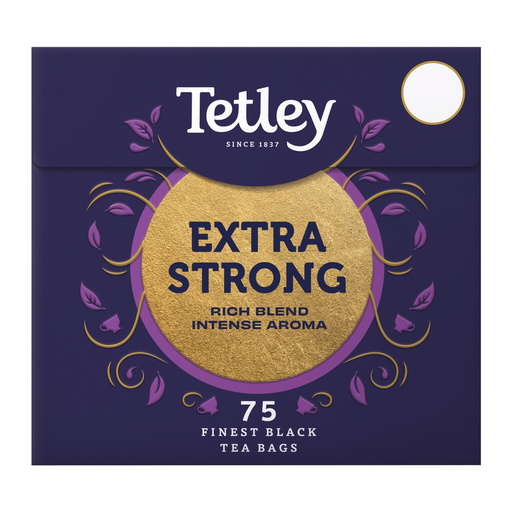
Tetley Extra Strong 75 Tea Bags, 237g
For a drinker who specifically wants an extra-strong afternoon tea. The pack is labelled as 75 tea bags, 237g; if caffeine reduction matters, check whether regular tea suits the drinker.
View on Joybuy
 No image available
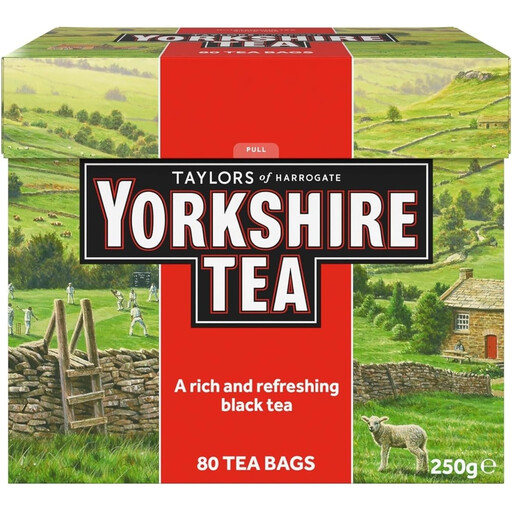
Taylors of Harrogate Yorkshire Tea 80 Tea Bags, 250g
A standard tea-bag option to compare with an extra-strong blend when choosing an afternoon cup. The pack contains 80 tea bags, 250g; it is not the separately labelled Yorkshire Tea for Hard Water product.
View on Joybuy
 No image available
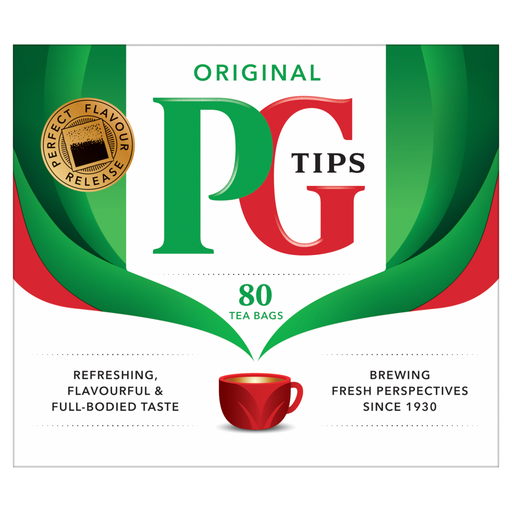
PG Tips Original 80 Tea Bags, 232g
A standard Original tea to compare by taste with an extra-strong-labelled option. The pack is labelled as 80 tea bags, 232g; the Original name does not identify it as an extra-strong blend.
View on Joybuy
 No image available
Clipper Organic Fairtrade Decaf Everyday 80 Tea Bags, 277g
A decaffeinated black-tea option when reducing caffeine is part of the afternoon routine. The pack is labelled Organic Fairtrade Decaf Everyday and contains 80 tea bags, 277g; check the product information if a specific residual caffeine limit matters.
View on Joybuy
 No image available
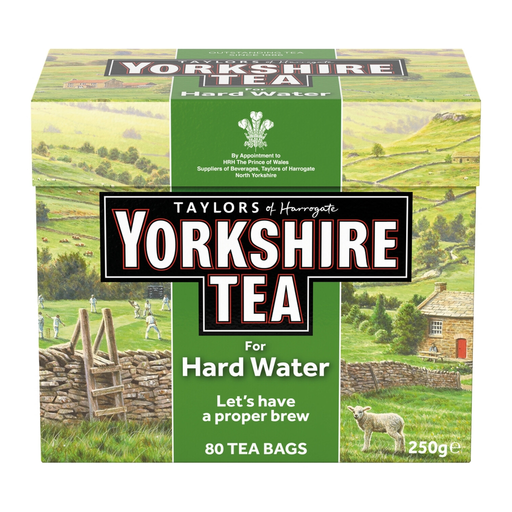
Taylors of Harrogate Yorkshire Tea for Hard Water 80 Tea Bags, 250g
Consider this separately labelled hard-water blend if household water affects an ordinary cup of tea. The pack contains 80 tea bags, 250g; its hard-water positioning does not establish that it will taste stronger in other conditions.
View on Joybuy
Afternoon tea questions
How can you make an afternoon tea stronger without making it too bitter?
Begin with the brewing directions on that tea’s pack, then adjust the time gradually to the drinker’s taste. Avoid assuming that squeezing the bag or leaving it in for much longer will produce the cup they want.
When is decaf worth considering instead of extra-strong tea?
Consider decaffeinated tea when caffeine aggravates bladder symptoms or a clinician has advised reducing caffeine. University Hospitals of Leicester NHS Trust notes that caffeine in tea and coffee can irritate the bladder; check the product information and individual advice if a specific caffeine limit matters.
Does tea count towards fluid intake?
Yes. The British Dietetic Association says almost all drinks count towards fluid needs, including tea. Follow individual clinical guidance if the drinker has been given different instructions about fluids.
Should tea be served with an iron-focused afternoon meal?
Someone following iron-deficiency anaemia dietary advice should check when to have tea around meals. University Hospitals Coventry and Warwickshire NHS Trust advises that tea drunk with a meal can greatly decrease iron absorption; follow the person’s clinician or dietitian advice on timing.


