
24/7 Customer Support

Free returns

Same-day & Next-day Delivery

Quality Guaranteed

Unlock Your Welcome Offers: FREE Delivery | Up to 80% OFF | Free 30-day JoyPlus trial
Download the APP
Choosing sensitive baby wipes is not simply a matter of picking the largest pack or the most familiar-looking label. Newborn skin can be delicate, while babies prone to dryness or eczema may react to ingredients that are tolerated by others. At the same time, eco-conscious parents are increasingly looking for fragrance-free baby wipes, plastic-free materials and convenient bulk packs.
The challenge is separating useful specifications from vague marketing language. Here are the main points to check before buying.
A wipe may be made with plant-based fibres yet still contain several preservatives, botanical extracts or cleansing agents. “Natural” does not automatically mean irritation-free. Check the complete ingredient list, particularly if your baby has previously reacted to skincare products.
For very young babies, a short ingredient list may be preferable. WaterWipes products, for example, list 99.9% purified water and grapefruit seed extract. Other options include aloe vera or glycerin, which some families may find useful but should still be checked against the child’s sensitivities.
Unscented baby wipes and fragrance-free wipes do not necessarily contain no preservatives or other ingredients. Fragrance-free means that added perfume has not been used. This is different from a wipe containing only water or a minimal formula.
Parents comparing hypoallergenic baby wipes should look for specific information such as “fragrance-free”, “alcohol-free”, “dye-free” and any relevant testing or certification. These descriptions can help narrow the choice, but no wipe can guarantee that every baby will tolerate it.
“Plastic-free” commonly refers to the wipe substrate rather than every part of the packaging. Some products use plant-based or cellulose fibres while still being sold in plastic packaging. Check the product description carefully and dispose of used wipes in household waste. Even plastic-free baby wipes should never be flushed, as they can contribute to blocked pipes and sewer problems.
For newborn baby wipes, prioritise:
A “hypoallergenic” description is useful for comparison, but it is not a guarantee against individual reactions. Stop using a product if redness, discomfort or irritation develops. Do not use wipes on broken or sore skin unless advised by a healthcare professional.
Look for specific wording such as:
Plant-based and eco-friendly baby wipes can reduce the use of plastic in the wipe itself, but they remain single-use products. Reusable cotton cloths with water may be suitable for some home routines, although disposable wipes are often more practical for travel, nursery bags and public changing facilities.
A large-looking pack is not always the most economical. Compare the total wipe count, not only the number of packets. For example:
To compare value, divide the total price by the number of wipes. Also consider whether the pack can be stored in a cool, dry place and whether resealable lids will help prevent drying after opening.
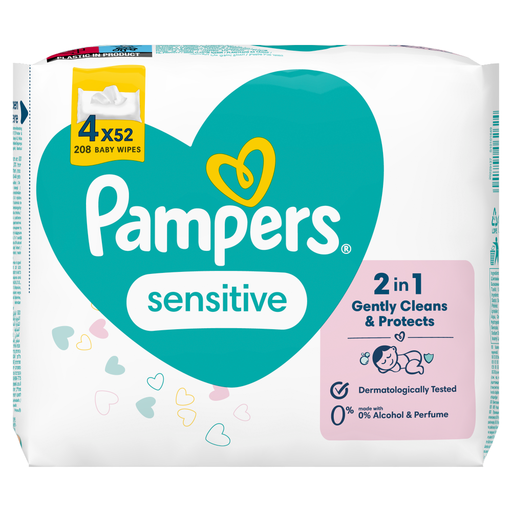
Why This Fits Their Persona: A manageable four-pack bundle for new parents who want a recognised sensitive-skin option without committing to a very large household supply.
The product information clearly states that the wipes are free from alcohol, perfume and dyes, rather than relying only on a general “gentle” claim.
208 wipes in four packs; suitable from birth according to the product listing; plastic-free wipe material.

Why This Fits Their Persona: Suitable for parents who place a high priority on a minimal formula and want a compact three-pack for home, changing bags and nursery visits.
The listed formula identifies two ingredients and states 0% fragrance and alcohol, making the composition easier to inspect.
180 wipes; plant-based, plastic-free wipe material; suitable from 0+ months according to the listing.

Why This Fits Their Persona: The 960-wipe bulk format suits busy households, childminders or families who use wipes frequently for nappies, hands and faces.
The pack states its total count, unscented formula, plastic-free cellulose material and OEKO-TEX certification reference, allowing a more specific comparison.
960 wipes; three-times-thicker material claim in the listing; 99% purified water description.
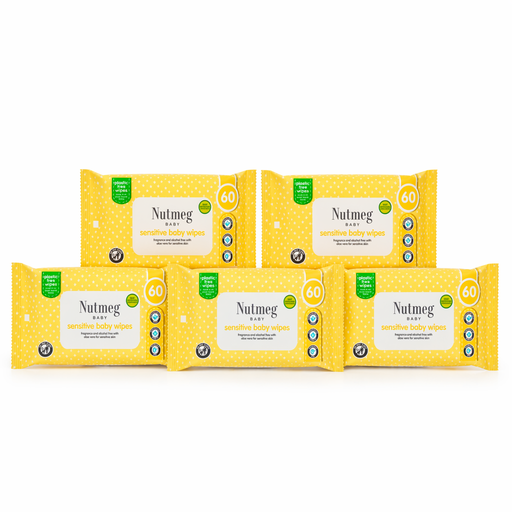
Why This Fits Their Persona: A practical medium-sized supply for families seeking plant-based, fragrance-free and alcohol-free wipes for home and outings.
It specifies 100% renewable plant fibres, no fragrance or alcohol, and provides a named ingredient list including aloe vera.
300 wipes; plant-based and plastic-free wipe material; resealable packs for moisture retention.
We have compiled a complete, real-time list of products that fully satisfy these strict selection criteria and UK safety regulations.
For a baby with persistent redness, broken skin or suspected eczema, seek advice from a GP, health visitor or pharmacist. Wipes should support everyday cleaning, not replace medical guidance.
Many fragrance-free baby wipes are labelled for use from birth or 0+ months, but suitability depends on the individual product and your baby’s skin. Check the pack, ingredients and directions. For a newborn, choose a product that also avoids alcohol and added perfume, and consider trying a small pack before purchasing in bulk.
They remove plastic from the wipe material, which can be a useful environmental consideration. However, the packaging, manufacturing and disposal method also matter. Plastic-free does not mean flushable. Used wipes belong in a household bin unless local waste guidance states otherwise.
This depends on usage, storage space and whether wipes are also used for hands and faces. Smaller packs of around 180–240 wipes are convenient for trialling a formula and packing a changing bag. Bulk baby wipes containing 576–960 wipes can reduce repeat shopping for families with frequent nappy changes, provided the packets remain sealed and within their recommended use period.