
24/7 Customer Support

Free returns

Same-day & Next-day Delivery

Quality Guaranteed

Unlock Your Welcome Offers: FREE Delivery | Up to 80% OFF | Free 30-day JoyPlus trial
Download the APP
Choosing the right products for your baby can feel like navigating a minefield, especially when it comes to something you use every day, like baby wipes. For little ones with delicate skin, the wrong wipe can lead to discomfort and irritation. On top of that, many parents in the UK are rightly concerned about ingredients, sustainability and whether products are truly as gentle as they claim.
This guide is designed to cut through the clutter. We'll walk you through the key features to look for when selecting sensitive baby wipes, from the ingredients list to their environmental impact. We will then share some of our top recommendations to help you make a confident choice for your family.
Finding a wipe that is both effective and gentle involves looking at a few important factors. Here’s what to consider before you buy.
A baby's skin barrier is thinner and more delicate than an adult's, making it more susceptible to irritation. When choosing wipes, a shorter ingredients list is often a good sign. Look for hypoallergenic baby wipes that are explicitly formulated to minimise the risk of allergic reactions. Opting for unscented baby wipes is also a wise move, as fragrances are a common cause of skin sensitivity. Products free from alcohol and parabens are generally gentler, making them a suitable choice for newborn baby wipes or for babies with conditions like eczema.
The material of the wipe itself is just as important as the solution it's soaked in. Many conventional wipes contain plastics, which are not biodegradable and contribute to environmental pollution. For an eco-conscious choice, look for plastic free baby wipes made from plant based baby wipes materials like wood pulp or bamboo. These are often marketed as eco friendly baby wipes. Some are also certified as biodegradable baby wipes, meaning they will break down naturally over time, but it's crucial to check the packaging for correct disposal instructions—most wipes, even biodegradable ones, should not be flushed.
Babies go through a surprising number of wipes, so value for money is a practical consideration for most families. Buying bulk baby wipes can often lead to significant savings per wipe. Also, pay attention to the packaging. A sturdy, resealable lid is more effective at keeping wipes moist and fresh than a simple peel-back sticker, ensuring the last wipe in the pack is as good as the first.
Based on the criteria of gentle ingredients, material quality and overall function, here are some standout options available in the UK.
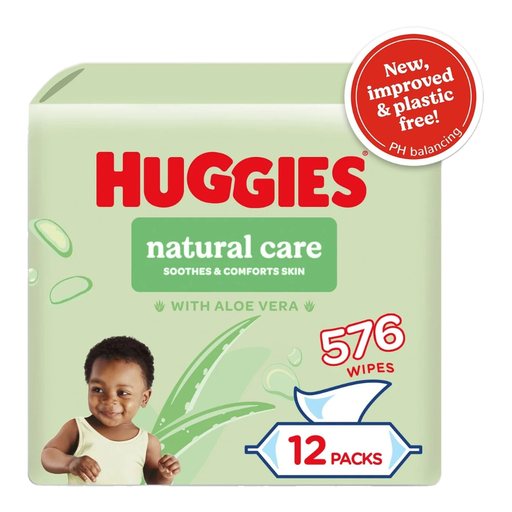
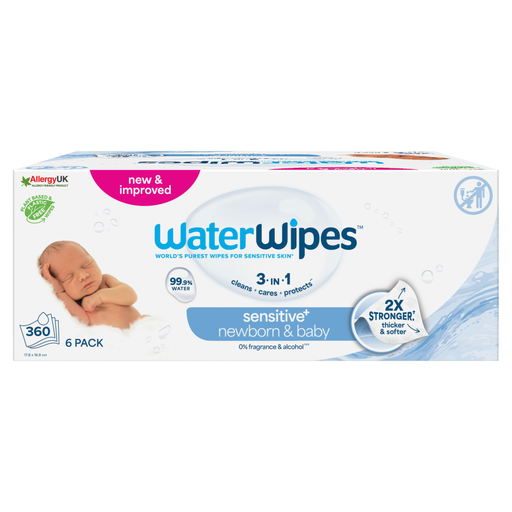

If our recommendations don't quite match what you're looking for, or if you'd simply like to browse a wider selection, we have a comprehensive range of baby care products.
Explore our full collection of bottom wipes to find the perfect fit for your family's needs.
Wipes with a high water content and minimal ingredients are often preferred for sensitive skin. They reduce the potential for irritation from additives like fragrances, alcohol or complex chemicals. This makes them a particularly good choice for newborns, whose skin is still developing.
Plastic free baby wipes are made from materials like plant fibres (e.g., viscose, cotton) instead of synthetic plastics. Biodegradable baby wipes are designed to break down into natural elements under specific conditions. While many plastic-free wipes are also biodegradable, it is important to check the packaging for disposal instructions, as most wipes should be disposed of in a bin, not flushed down the toilet.
Most hypoallergenic baby wipes are formulated to be gentle enough for use on a baby's face and hands. Wipes that are free from fragrances and alcohol are generally a safe choice for all-over cleaning. However, it is always a good practice to check the product's packaging for its recommended use.