
24/7 Customer Support

Free returns

Same-day & Next-day Delivery

Quality Guaranteed
Download the APP
Categories
As a parent or caregiver, ensuring your baby's comfort is a top priority. When it comes to nappy changes and clean-ups, the type of wipe you use can make a significant difference, especially for little ones with delicate or reactive skin. The search for the right sensitive baby wipes can feel overwhelming, with countless options all promising to be gentle. This guide is designed to help you navigate the choices by focusing on key features, ingredients and materials, making it easier to find a product that suits your family's needs.
Before we look at specific products, here are a few practical points to consider when comparing baby wipes for sensitive skin.
For sensitive skin, less is often more. Look for wipes with a short and simple ingredient list. Water based baby wipes, often containing 99% or more purified water, are a popular choice as they minimise exposure to potential irritants. It's also wise to opt for unscented baby wipes, as fragrances, even natural ones, can sometimes cause reactions. Products labelled as hypoallergenic have been formulated to reduce the risk of allergic reactions, though it's always a good idea to patch-test any new product on a small area of skin first.
The material of the wipe itself is just as important as the liquid it's soaked in. Many parents are now seeking plant based baby wipes made from materials like wood pulp or cellulose. These are often softer and a more sustainable choice than wipes containing plastics. If environmental impact is a key concern, look for biodegradable baby wipes. It's important to note that 'biodegradable' does not mean 'flushable'. Unless explicitly stated and certified, wipes should always be disposed of in a bin.
While brands make their own claims, independent certifications can offer an extra layer of reassurance. For example, the OEKO-TEX STANDARD 100 label indicates that every component of the product has been tested for harmful substances and is therefore considered safe for human health. This can be a useful benchmark when selecting products for newborn baby wipes.
Here are a few standout options that cater to different needs, from extra-thick cleaning power to eco-friendly materials.
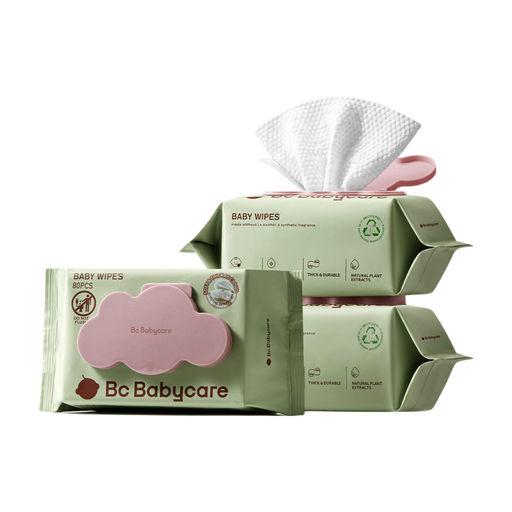
Why It Stands Out These wipes are engineered for durability and gentle cleaning. They are noticeably thicker than many standard wipes, which means you often need fewer per change. The formula is based on 99% purified water and is OEKO-TEX certified, confirming it's free from specified harmful substances. The high moisture content is designed to reduce friction on the skin, providing a smooth and effective clean.
Pros
Who is it for? Parents looking for a robust, extra-moist and thick wipe that can handle bigger messes without tearing, while still being gentle enough for the most sensitive skin.
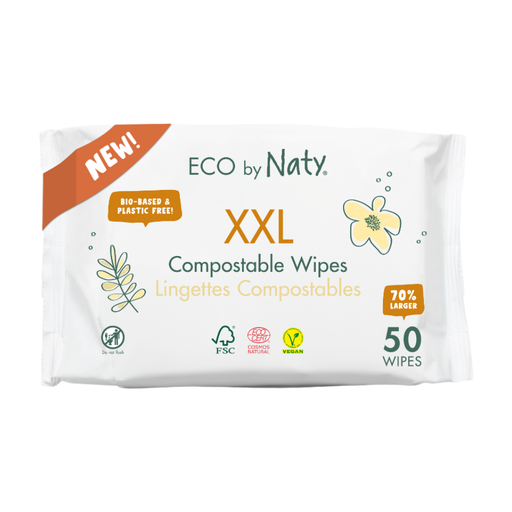
Why It Stands Out Naty places a strong emphasis on sustainability without compromising on gentleness. These wipes are made from 100% FSC-certified wood pulp, making them fully compostable and biodegradable. The formula is enriched with soothing aloe vera and contains 98.4% pure water, making them suitable for babies prone to nappy rash or eczema. They are completely free from plastics, chlorine and alcohol.
Pros
Who is it for? Environmentally-conscious families who prioritise plant-based, compostable products and want a wipe with natural, soothing ingredients for their baby's skin.
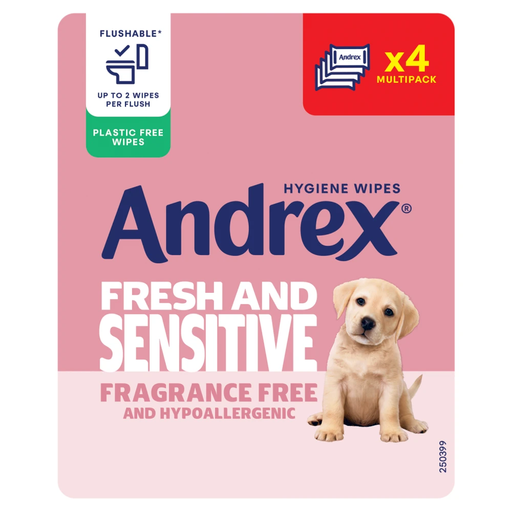
Why It Stands Out While often associated with toilet training, these wipes are also formulated for sensitive skin and general family use. Their key feature is that they are flushable, having passed industry standards for safe flushing (up to two wipes per flush). The formula is 99% water-based, fragrance-free and hypoallergenic. The wipes are also plastic-free, and the packaging contains 30% recycled material.
Pros
Who is it for? Families with older children or those looking for a convenient, flushable wipe for the whole family that is still gentle enough for sensitive skin.
The products highlighted here are just a starting point. Every baby's skin is unique, and what works for one may not work for another. If you'd like to explore a wider variety of wipes that cater to different needs and preferences, we have a broader collection available.
Explore Our Full Range of Sensitive Wet Wipes
When checking the label, it's generally advisable to avoid fragrances (listed as 'parfum' or 'fragrance'), alcohol (which can be drying) and certain preservatives like parabens or methylisothiazolinone (MIT), as these are more commonly associated with skin irritation.
Many paediatricians and dermatologists recommend using wipes with the simplest possible formulations for newborns, whose skin is particularly thin and delicate. Water based baby wipes, typically containing over 99% water and a minimal number of gentle preservatives, are an excellent choice as they effectively clean the skin while minimising the risk of irritation.
Not usually. 'Biodegradable' and 'flushable' are not the same thing. Biodegradable means the wipe will break down over time in certain conditions (like a compost bin or landfill), but it won't disintegrate quickly enough in the sewer system and can cause blockages. Only flush wipes that are explicitly labelled and certified as 'flushable', like the Andrex wipes mentioned above, and always follow the manufacturer's instructions.