
24/7 Customer Support

Free returns

Same-day & Next-day Delivery

Quality Guaranteed

Unlock Your Welcome Offers: FREE Delivery | Up to 80% OFF | Free 30-day JoyPlus trial
Download the APP
As a parent or caregiver in the UK, choosing the right baby wipes can feel like a significant decision. You want something that cleans effectively but is gentle enough for the most delicate skin, especially for newborns or little ones prone to irritation and eczema. The sheer number of options, each with its own list of claims, can be overwhelming.
This guide is designed to cut through the clutter. As the Joybuy Product Recommendation Officer, my role is to provide clear, practical information to help you compare products based on what truly matters: ingredients, materials and suitability for your child's needs. Here, we will explore what to look for in sensitive baby wipes and highlight a few noteworthy options available in 2026.
Navigating the features of baby wipes is simpler when you know which details to focus on. Here are three key considerations to guide your choice.
For sensitive skin, less is almost always more. The most suitable wipes often have the shortest ingredient lists.
The wipe's fabric is just as important as the liquid it's soaked in. Modern wipes offer more sustainable choices that are kinder to both skin and the planet.
A wipe's performance often comes down to its physical construction and how you plan to use it.
Based on the criteria above, here are some standout options that cater to different needs, from potty training toddlers to newborns with delicate skin.
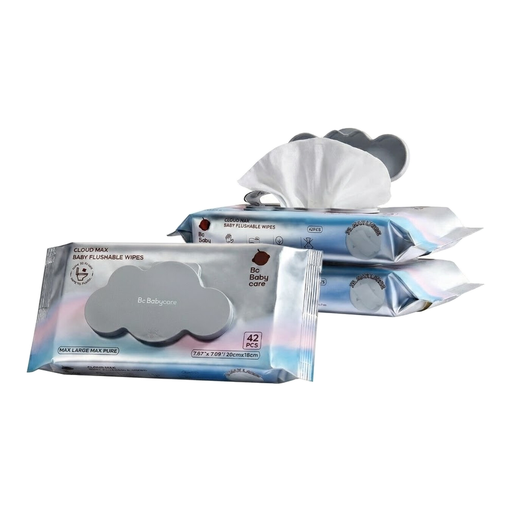
Why It Stands Out: These wipes are specifically designed as a potty-training partner. They are IWSFG certified, meaning they have been verified to break down safely in sewer systems when flushed one at a time. Made from 100% plant-based fibres and featuring an extra-large size, they give toddlers the confidence to clean themselves effectively.
Pros:
Who is it for?: Families with toddlers who are potty training and need a convenient, skin-friendly and genuinely flushable wipe.
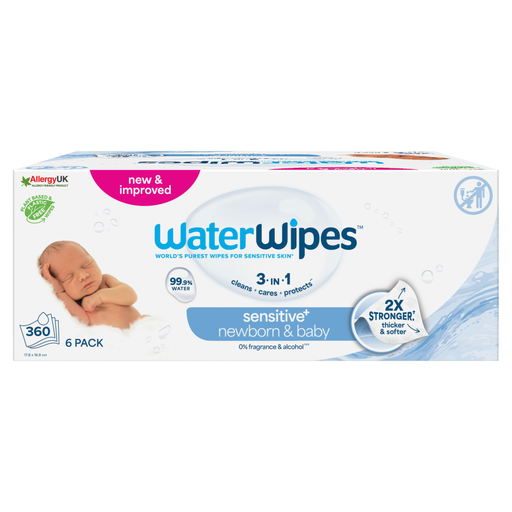
Why It Stands Out: WaterWipes are renowned for their minimalist formula. Containing just two ingredients—99.9% purified water and a drop of grapefruit seed extract—they are one of the purest options available. This makes them exceptionally suitable for newborn baby wipes and even premature babies. The wipes are plastic-free, plant-based and have received approvals from Allergy UK and the Skin Health Alliance.
Pros:
Who is it for?: Parents and caregivers seeking the most minimal and pure wipe possible, especially for newborns or babies with highly reactive or allergy-prone skin.
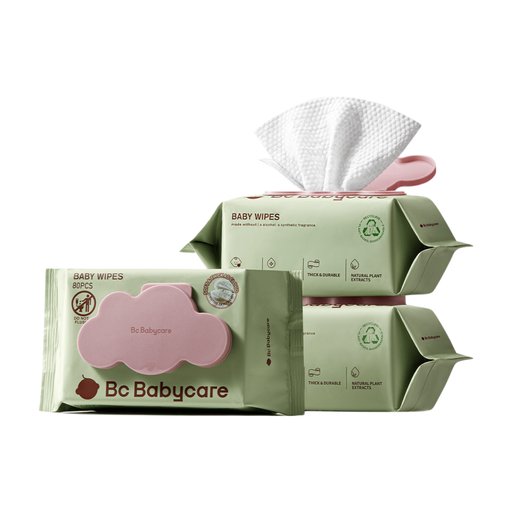
Why It Stands Out: These wipes combine strength with gentleness. They are designed to be three times thicker than many standard wipes, providing a durable, tear-resistant clean that requires fewer wipes per change. The material is OEKO-TEX certified, confirming its safety and is also 100% biodegradable and plastic-free. With a 99% purified water formula, they are both effective and gentle.
Pros:
Who is it for?: Caregivers who need a robust, all-purpose wipe for bigger messes but do not want to compromise on skin safety or environmental principles.
The products highlighted here are excellent starting points, but every family's needs are unique. You may be looking for a different pack size, a specific texture or other features. If these recommendations aren't quite the right fit, there are many other high-quality options to consider.
Explore our complete range of Sensitive Baby Wipes to find the perfect match for your family.
1. Are water wipes better for sensitive skin? Wipes with a high water content, often marketed as pure water wipes, are generally an excellent choice for sensitive skin. Their simple, minimal-ingredient formulas reduce the risk of irritation from common additives like fragrances, alcohol or complex chemicals, providing a gentle clean that is similar to using cotton wool and water.
2. Can I use sensitive baby wipes on my newborn? Yes, many sensitive baby wipes are specifically formulated to be safe for newborns. To be sure, look for products that are explicitly labelled as suitable from birth, hypoallergenic and unscented. Wipes with simple, water-based formulas, like the WaterWipes mentioned above, are a popular choice for newborn baby wipes.
3. What is the difference between biodegradable and flushable wipes? This is a critical distinction for both your plumbing and the environment. Biodegradable wipes are made from materials that can break down naturally over time in a compost or landfill environment. However, they must be disposed of in a bin. Flushable wipes are engineered to break apart quickly in water and are safe for UK sewer systems, but only if they carry an official certification like 'Fine to Flush' or IWSFG. Always check the packaging and never flush a wipe unless it is explicitly certified as flushable.