
24/7 Customer Support

Free returns

Same-day & Next-day Delivery

Quality Guaranteed

Unlock Your Welcome Offers: FREE Delivery | Up to 80% OFF | Free 30-day JoyPlus trial
Download the APP
As a parent or caregiver in the UK, navigating the baby care aisle can feel overwhelming. Shelves are filled with products all claiming to be gentle, natural and perfect for your little one. When it comes to an everyday essential like baby wipes, making the right choice is crucial, especially for delicate skin. However, many find themselves disappointed by wipes that cause irritation or don't live up to their "eco-friendly" promises.
My role as a Joybuy Product Recommendation Officer is to help you see past the marketing jargon. Before you add another pack of wipes to your basket, let's look at the common pitfalls that can lead to wasted money and unhappy skin.
biodegradable baby wipes only break down under specific industrial composting conditions, not in a standard landfill. Furthermore, a significant number of wipes on the market still contain plastic fibres, contributing to pollution.To make a confident choice, focus on a few core parameters rather than marketing slogans. A quick check of the ingredient list and material composition can tell you everything you need to know.
For newborn baby wipes or wipes intended for skin prone to irritation, the ingredient list is your most important tool. A truly hypoallergenic baby wipes formulation should be free from common triggers.
The material of the wipe itself is just as important as the liquid it's soaked in. Many conventional wipes are made with plastics like polypropylene, which do not biodegrade and contribute to environmental waste.
Look for wipes explicitly labelled as plastic-free and made from plant based baby wipes materials such as wood pulp, bamboo or regenerated cellulose. These are not only softer on the skin but are also a more responsible choice for parents looking for eco-friendly baby wipes UK. Remember, even plastic-free wipes should never be flushed down the toilet, as they can cause blockages in UK sewer systems.
Instead of a one-size-fits-all approach, the right wipe depends on your baby's specific needs and your family's priorities. Here are a few recommendations matched to different parent profiles.

Why This Fits Their Persona: Ideal for parents of newborns or babies with highly sensitive or eczema-prone skin. The minimalist formula provides peace of mind that you are using one of the purest options available.
It cuts through the "natural" marketing trap with a transparent, two-ingredient formula: 99.9% purified water and a drop of fruit extract. There are no hidden fragrances or chemicals.
Dermatologically approved by the Skin Health Alliance and made from plastic-free, plant-based fibres. Suitable for premature and newborn skin.
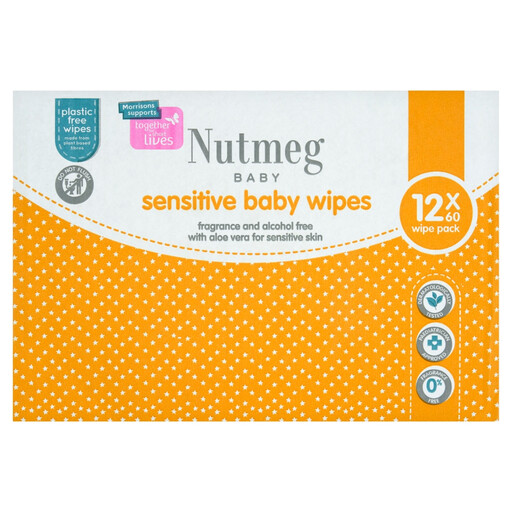
Why This Fits Their Persona: A great fit for families who get through a lot of wipes and want a reliable, sensitive-skin-friendly option that doesn't compromise on their environmental values. Buying bulk baby wipes is also more economical.
This product directly counters the eco-fa?ade trap. The wipes are explicitly plastic-free and made from plant-based, biodegradable fibres, offering a clear, verifiable environmental benefit.
Fragrance-free, hypoallergenic and dermatologist-tested. The 12-pack format ensures you have a long-lasting supply, which is convenient for busy households.

Why This Fits Their Persona: Suitable for babies who don't have extreme sensitivities but whose skin could benefit from a little extra moisture during clean-ups. A good choice for toddlers' messy hands and faces.
This wipe avoids the "unnecessary extras" trap by including an ingredient with a clear, perceivable benefit. The coconut oil is there specifically to moisturise, not just to pad out the ingredient list.
Dermatologically tested and infused with Cocos Nucifera (Coconut) Oil to help soothe and moisturise. Note: This product contains 'Parfum', so it is not suitable for those needing a completely fragrance-free option.
We have compiled a complete, real-time list of products that fully satisfy these strict selection criteria and UK safety regulations.
No. You should never flush any type of baby wipe, even those labelled as "flushable" or "biodegradable". UK water companies are clear that wipes do not break down quickly enough in our sewer systems and are a primary cause of blockages and "fatbergs". Always dispose of used wipes in a general waste bin.
This can vary greatly, but many parents find they use 8-10 wipes per nappy change. With newborns needing up to 10 changes a day, you could easily use 80-100 wipes daily. For this reason, considering bulk baby wipes can be a more convenient and economical approach, ensuring you're never caught short.
For most high-quality sensitive baby wipes, the answer is yes. Wipes with simple, pure formulas, especially water based baby wipes, are generally designed for all-over use. They are perfect for cleaning sticky hands after a snack or gently wiping a baby's face. Always check the packaging for the manufacturer's specific guidance.