
24/7 Customer Support

Free returns

Same-day & Next-day Delivery

Quality Guaranteed

Unlock Your Welcome Offers: FREE Delivery | Up to 80% OFF | Free 30-day JoyPlus trial
Download the APP
Choosing the right products for your baby's delicate skin can feel like navigating a minefield. With so many options on the shelves, it’s difficult to know which ones will be gentle enough for daily use, especially for newborns or little ones with skin prone to irritation. The last thing any parent wants is a wipe that causes redness or discomfort.
This guide is designed to cut through the marketing jargon. We'll walk you through the key features to look for when selecting sensitive baby wipes, from ingredients to materials and share a few of our top recommendations to help you make a confident choice for your family.
Making an informed decision comes down to understanding what's inside the packet. Here are three practical points to consider before you buy.
When it comes to sensitive skin, less is almost always more. The simplest formulations are often the kindest. Look for water based baby wipes, which typically contain 99% or more water. These products mimic the gentleness of using cotton wool and cooled, boiled water, a method often recommended for the first few weeks.
Equally important is what is left out. For newborn baby wipes and those intended for delicate skin, check that the formula is free from common irritants such as alcohol, fragrances and parabens. A hypoallergenic label indicates the product has been formulated to minimise the risk of an allergic reaction.
The fabric of the wipe itself plays a significant role in how it feels on the skin. Many parents are now opting for plastic free baby wipes, which are made from plant-based fibres like wood pulp, bamboo or cotton. These materials are not only soft and gentle but are also a more sustainable choice.
If environmental impact is a priority for you, look for biodegradable baby wipes UK. These are designed to break down naturally over time, reducing landfill waste. It is crucial to remember that "biodegradable" does not mean "flushable." Never flush any type of baby wipe, as they can cause serious blockages in UK sewer systems.
Independent certifications offer an extra layer of reassurance. Accreditations from organisations like the Skin Health Alliance or OEKO-TEX show that a product has been reviewed by dermatologists or tested for harmful substances. While not a guarantee against all reactions, these marks suggest a brand's commitment to skin safety, which is particularly important when choosing wipes for eczema-prone skin.
Based on ingredient purity, material quality and suitability for delicate skin, here are three standout options available today.

Why It Stands Out: These wipes are renowned for their minimalist formula. Containing just two ingredients, they are one of the purest options on the market, designed to be as gentle as cotton wool and water.
Pros:
Who is it for: Parents seeking the utmost purity for their newborn's skin or for babies with highly sensitive or eczema-prone skin.

Why It Stands Out: This option from Pampers combines a high-purity water formula with ingredients that help maintain the skin's natural pH balance, offering a protective approach to cleansing.
Pros:
Who is it for: Parents who value the reassurance of a trusted brand and want a wipe that actively supports the skin's natural defences.
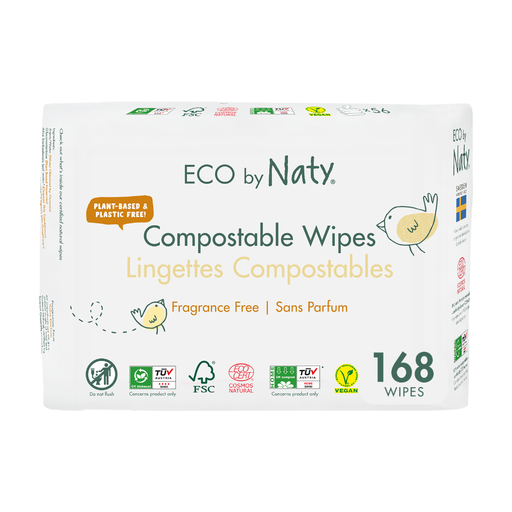
Why It Stands Out: Eco by Naty places sustainability at its core without compromising on gentleness. These wipes are fully plant-based and certified compostable, making them an excellent choice for eco-conscious families.
Pros:
Who is it for: Environmentally-minded parents who need a hypoallergenic and effective wipe that aligns with a sustainable lifestyle.
These three recommendations are excellent starting points, but every baby's skin is unique. If you're looking for a different formulation or pack size, there are many other high-quality options to discover.
For a wider selection of gentle, water-based wipes suitable for sensitive skin, explore our full range of baby water wipes.
Are water-based baby wipes better for newborns? For newborn skin, which is significantly thinner and more delicate than adult skin, simpler is often better. Water based baby wipes with minimal ingredients are highly recommended because they closely mimic the gentle action of cleansing with cotton wool and water. They are less likely to strip natural oils or cause irritation, making them an ideal choice for the first few months.
What makes a baby wipe 'hypoallergenic'? The term hypoallergenic means a product has been formulated to minimise the potential for an allergic reaction. For baby wipes, this typically involves excluding common allergens and irritants like fragrances, alcohol, dyes and certain preservatives like parabens or methylisothiazolinone (MI). While it doesn't guarantee no reaction will occur, it significantly reduces the risk.
Can I flush biodegradable baby wipes in the UK? No, you should never flush any baby wipes down the toilet, including those labelled as biodegradable or compostable. The UK's water and sewage systems are not designed to handle them. Wipes do not break down quickly enough and are a leading cause of "fatbergs"—large, costly blockages in sewers. Always dispose of used biodegradable baby wipes in a household waste or compost bin.