
24/7 Customer Support

Free returns

Same-day & Next-day Delivery

Quality Guaranteed

Unlock Your Welcome Offers: FREE Delivery | Up to 80% OFF | Free 30-day JoyPlus trial
Download the APP
Welcoming a new baby brings a unique set of joys and responsibilities, and one of the first decisions parents face is choosing products for their little one's delicate skin. The baby wipe aisle can be overwhelming, with countless options all claiming to be gentle. For a newborn's skin, which is significantly thinner and more sensitive than an adult's, making the right choice is crucial to avoid irritation and discomfort.
This guide is designed to help you navigate the market with confidence. We will break down the key features to look for when selecting sensitive baby wipes, from ingredients to materials and provide some practical recommendations to help you find a suitable option for your family.
Before looking at specific products, understanding what makes a wipe suitable for sensitive skin can simplify your decision. Here are a few key points to consider.
When it comes to newborn baby wipes, a shorter and simpler ingredients list is often a good indicator of a gentle product. Many parents prefer water based baby wipes, which typically contain over 99% water. Look for formulas that are explicitly labelled as hypoallergenic baby wipes and free from common irritants. Key things to avoid include:
In recent years, there has been a significant shift towards more eco friendly baby wipes. Many traditional wipes contain plastics like polyester, which are not biodegradable. For parents concerned about environmental impact and skin-friendliness, plastic free baby wipes are an excellent alternative. These are typically made from plant-based fibres, such as wood pulp or viscose, which are often softer and can be biodegradable baby wipes. Always check the packaging for disposal instructions, as even biodegradable wipes should not be flushed down the toilet.
A baby's skin has a natural acidic barrier, known as the acid mantle, which helps protect it from bacteria and irritation. Some wipes are formulated to help maintain or restore this natural pH balance. This can be particularly helpful in preventing the causes of nappy rash. Choosing wipes for nappy rash prevention means looking for products that clean gently without disrupting this delicate balance.
Based on their formulations, materials and features designed for delicate skin, here are a few standout options available for UK families.
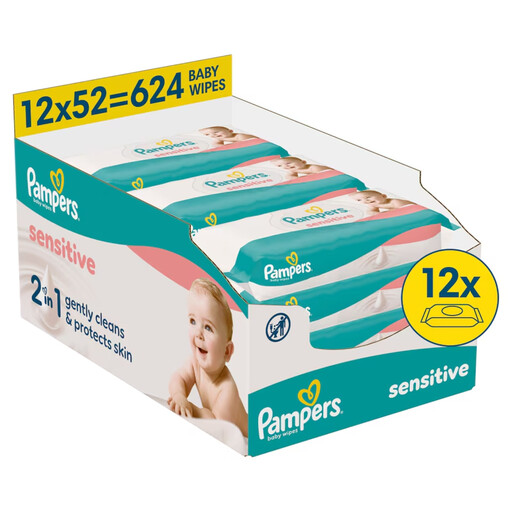
Why It Stands Out These wipes from Pampers are designed with a dual-action formula that not only cleans but also helps restore the skin's natural pH. This focus on skin barrier protection makes them a strong candidate for babies prone to redness and irritation. The wipes are also certified by dermatologists at the Skin Health Alliance.
Pros
Who is it for? Parents looking for a gentle, pH-balancing wipe from a well-known brand that has also made the switch to plastic-free materials.
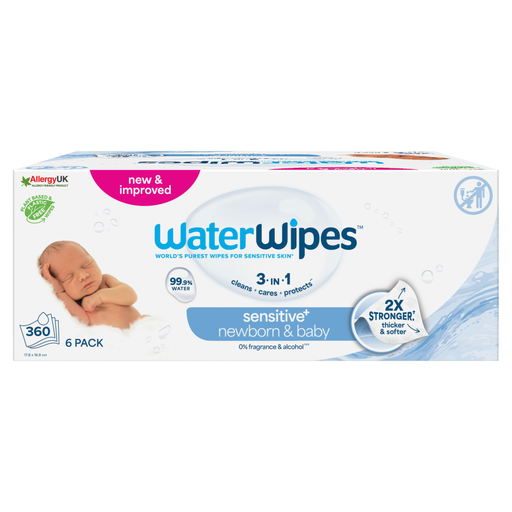
Why It Stands Out WaterWipes are known for their exceptionally pure and simple formula. Containing just two ingredients—99.9% purified water and a drop of grapefruit seed extract—they are one of the most minimalist wipes on the market. The brand states its water undergoes a 7-stage purification process, making it a popular choice for the most delicate skin.
Pros
Who is it for? Parents who prioritise purity above all else. These are an excellent choice for newborns, babies with highly reactive skin or those with conditions like eczema.
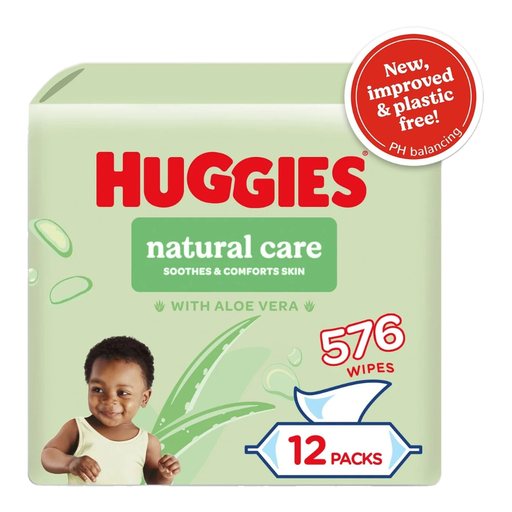
Why It Stands Out Huggies Natural Care wipes combine a gentle, hypoallergenic formula with the skin-soothing benefits of natural ingredients. Infused with Aloe Vera and Vitamin E, they offer a moisturising clean. Their approval from the British Skin Foundation provides an extra layer of reassurance for parents.
Pros
Who is it for? Families who prefer a wipe that not only cleans but also provides extra skin-conditioning benefits from ingredients like Aloe Vera, all within a plastic-free wipe.
These recommendations are a great starting point, but every baby's skin is unique. If you're still exploring or want to see what other essentials are available, you can browse our full collection.
Discover more options in our new baby products range.
1. Are water-based wipes a better choice for sensitive skin? Wipes with a high water content and minimal ingredients are often a preferred choice for sensitive and newborn skin. They clean effectively without a long list of potential irritants, helping to maintain the skin's natural moisture and reduce the risk of reactions.
2. What is the difference between biodegradable and plastic-free baby wipes?Plastic-free baby wipes are made from materials like plant-based fibres (e.g., viscose, cotton) instead of plastics (like polyester). Biodegradable baby wipes are designed to break down into natural elements under specific conditions. While many plastic-free wipes are also biodegradable, it is important to check the packaging for specific disposal instructions. Most wipes, regardless of material, should be disposed of in a bin, not flushed.
3. Can sensitive baby wipes help with nappy rash? While not a treatment, the right wipes can help prevent the conditions that contribute to nappy rash. Using unscented, hypoallergenic baby wipes that are free from alcohol and help maintain the skin's natural pH can reduce irritation during nappy changes. Gentle and thorough cleaning is a key part of any routine aimed at preventing nappy rash.