
24/7 Customer Support

Free returns

Same-day & Next-day Delivery

Quality Guaranteed

Unlock Your Welcome Offers: FREE Delivery | Up to 80% OFF | Free 30-day JoyPlus trial
Download the APP
Navigating the world of baby care can be overwhelming, especially when your little one has delicate skin. Finding the right products means carefully reading labels and understanding what goes into each item. For many parents in the UK, choosing the perfect sensitive baby wipes involves balancing gentleness, effectiveness and environmental responsibility.
This guide is designed to help you make an informed choice. We will walk through the key features to look for in a quality wipe and highlight some recommended options that prioritise both your baby's comfort and sustainability.
When selecting wipes, a few key factors can make all the difference for skin prone to irritation, eczema, or allergies.
The simpler the ingredients list, the lower the risk of a reaction. Look for unscented baby wipes that are free from alcohol, parabens and phthalates. Many parents find that water wipes for sensitive skin, which typically contain over 99% purified water, are an excellent choice for newborns and infants. These hypoallergenic wipes clean effectively without stripping the skin's natural moisture barrier.
The material of the wipe itself is just as important as the liquid it's soaked in. Traditional wipes often contain plastic fibres that do not break down. For an eco-conscious choice, consider plastic-free baby wipes made from plant-based materials like wood pulp or bamboo. These eco-friendly baby wipes are often biodegradable, reducing their impact on the environment. Always check for certifications like OEKO-TEX or FSC (Forest Stewardship Council) to confirm the material's safety and origin.
Labels such as "dermatologically tested" indicate that the product has been reviewed for its potential to cause skin irritation. While not a guarantee against all reactions, it provides an added layer of confidence. For products making claims about being safe for sensitive skin, these verifications are a valuable indicator of a brand's commitment to gentleness.
Here are a few options that stand out for their thoughtful formulation and materials, making them suitable for babies with sensitive skin.

Why It Stands Out: These wipes are notable for their impressive thickness and high moisture content. Made with 99% purified water, they are designed to provide a thorough clean with less friction. The material is a 100% biodegradable, plastic-free cellulose, and their safety for sensitive skin is backed by an OEKO-TEX certification.
Pros:
Who is it for? Parents looking for a robust, extra-moist wipe that offers a gentle yet effective clean. The OEKO-TEX certification makes it a reassuring choice for newborns and babies with highly sensitive skin.

Why It Stands Out: The Nutmeg Sensitive Baby Wipes combine an eco-friendly design with a soothing formula. They are completely plastic-free and made from renewable plant-based fibres. The addition of aloe vera provides a calming effect, while the formula remains free from fragrance and alcohol.
Pros:
Who is it for? Families who prioritise both sustainability and gentle care. The combination of plant-based materials, a cruelty-free promise and a soothing aloe-infused formula makes these wipes a well-rounded option.
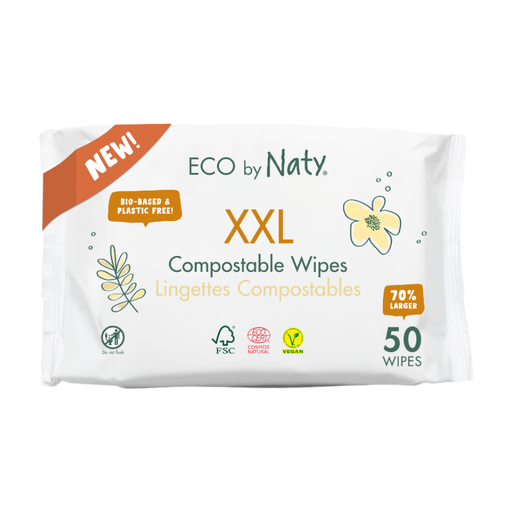
Why It Stands Out: Naty is a brand recognised for its strong environmental credentials. These wipes are made from 100% FSC-certified wood pulp, making them not only biodegradable but also 100% compostable. The formula is based on 98.4% pure water and is free from a long list of potential irritants, including chlorine and parabens.
Pros:
Who is it for? Parents who are deeply committed to a zero-waste or low-impact lifestyle. These wipes offer one of the most sustainable disposal options on the market without compromising on gentleness for skin prone to eczema or irritation.
While these recommendations are focused on baby care, the principles of gentle, skin-friendly cleansing apply to all ages. If you are searching for products designed for adult skin, you may find suitable options in our broader collection.
Explore our curated selection of face wipes for sensitive skin for more choices.
Wipes with a high water content (typically 99% or more) and minimal added ingredients are often preferred for sensitive skin. This is because they clean effectively while minimising exposure to potential irritants like fragrances, oils, or complex chemical compounds. They are designed to mimic the gentleness of using cotton wool and water.
Biodegradable baby wipes are made from materials, usually plant-based fibres, that can be broken down by natural microorganisms over time. This contrasts with conventional wipes containing plastic fibres, which can persist in the environment for hundreds of years. It is important to note that even biodegradable wipes should be disposed of in a waste bin, not flushed down the toilet, as they do not break down quickly enough for wastewater systems.
Many wipes formulated for sensitive skin are designed to be gentle enough for newborns. However, it is always a good practice to check the product packaging for specific age recommendations. As an extra precaution, you can perform a patch test by wiping a small, discreet area of your baby's skin (like the ankle or behind the ear) and waiting 24 hours to ensure no irritation occurs.