
24/7 Customer Support

Free returns

Same-day & Next-day Delivery

Quality Guaranteed

Unlock Your Welcome Offers: FREE Delivery | Up to 80% OFF | Free 30-day JoyPlus trial
Download the APP
Sensitive, reactive skin can make online skincare shopping frustrating. A product may promise redness relief, barrier support or a “gentle” formula, yet still feel uncomfortable once applied. The right choice depends less on impressive marketing language and more on ingredients, texture, usage instructions and your skin’s current condition.
This guide explains the main buying pitfalls, the specifications worth checking and our top recommendations for different skin profiles, including dry, oily, acne-prone and easily irritated skin.
Botanical ingredients such as calendula, mugwort, lavender, tea tree and centella asiatica can be appealing in sensitive skin products. However, natural extracts may still cause a reaction, particularly if you have known allergies. Fragrance and essential oils can also be unsuitable for reactive complexions.
Always check the full ingredient list rather than relying on terms such as “plant-based”, “clean” or “natural”. A patch test is sensible before applying a new serum or cream across your face.
Salicylic acid can be useful in blemish-focused products, but it is not automatically suitable for widespread redness, dryness or a compromised-feeling skin barrier. Using several exfoliating or active products together may increase discomfort.
For barrier support, look for ingredients such as panthenol, glycerin, ceramides, squalane, beta-glucan, hyaluronic acid and centella asiatica. If you are selecting a blemish calming treatment, introduce it gradually and follow the product directions.
Gel creams and watery ampoules are comfortable for oily or combination skin, but very dry skin may need a richer final moisturiser. Conversely, a heavy cream can feel greasy on acne-prone skin and may discourage consistent use.
The most suitable sensitive skin moisturiser is one you can apply comfortably and regularly, with a texture that matches your skin’s oil and hydration levels.
For redness relief skincare, consider whether the formula contains calming and moisture-supporting ingredients. Centella asiatica, panthenol, allantoin, liquorice derivatives, mugwort and heartleaf are common choices in soothing skincare for redness.
Do not assume that a longer ingredient list means stronger performance. A simpler formula may be easier to assess if your skin reacts to multiple botanicals. Conversely, a multi-ingredient barrier repair cream may offer a broader combination of humectants, lipids and soothing agents.
Check for potential triggers such as parfum, essential oils, alcohol or exfoliating acids, particularly if your skin is currently stinging or visibly irritated.
A calming serum for sensitive skin will not replace a moisturiser if your skin needs a protective final layer. Apply treatment products after cleansing and follow with a moisturiser where needed.
Before purchasing, check the product size, application instructions, storage guidance and warnings. Products should be used externally, kept away from the eyes and discontinued if irritation develops. Review the ingredient list printed on the packaging, as formulations and labelling can change.
UK shoppers should also look for clear cosmetic information, including ingredients, responsible-person details and appropriate warnings. Skincare should not be treated as a medical treatment. Persistent burning, swelling, rash or severe inflammation warrants professional medical advice.
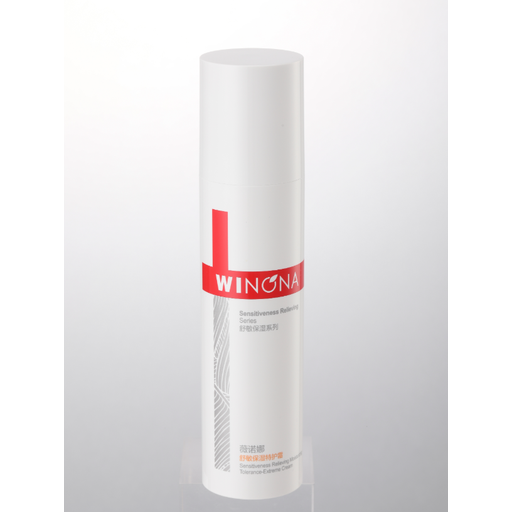
Why This Fits Their Persona: A straightforward option for shoppers building a simple morning and evening routine without adding multiple treatment steps.
Its listed formula is relatively short, helping new users identify what they are applying and avoid unnecessary layering.
Lightweight, non-greasy cream with glycerin and portulaca extract; designed for daily face and neck application.
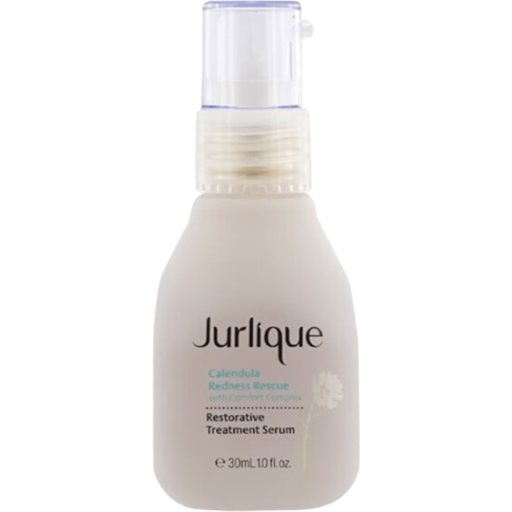
Why This Fits Their Persona: Suits shoppers seeking a dedicated lightweight serum with botanical extracts for a carefully layered routine.
The ingredient list is available for checking, including fragrance and several botanical extracts, so allergy-aware buyers can make an informed choice.
Fast-absorbing gel serum containing calendula, chamomile, echinacea, glycerin and sodium hyaluronate.
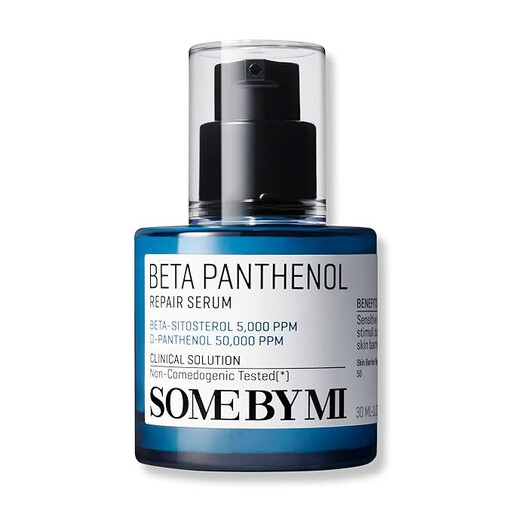
Why This Fits Their Persona: A practical match for people whose skin feels dry or unsettled after over-cleansing, exfoliating or exposure to cold UK weather.
It focuses on barrier-supporting components rather than relying only on a cooling sensation or a short-term cosmetic finish.
Contains panthenol, squalane, ceramides, beta-glucan and several forms of hyaluronic acid in a milky serum texture.
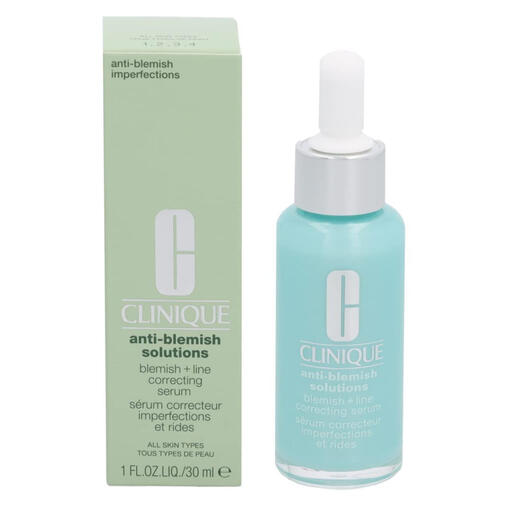
Why This Fits Their Persona: Designed for adults managing blemishes alongside uneven texture and visible signs associated with mature skin.
It identifies salicylic acid clearly as a targeted active, helping shoppers avoid treating it as an all-over soothing moisturiser.
Fragrance-free formula containing salicylic acid, glycerin and sodium hyaluronate; use only as directed and introduce gradually.
We have compiled a complete, real-time list of products that fully satisfy these strict selection criteria and UK safety regulations.
Look for a simple routine containing hydration and barrier-supporting ingredients such as glycerin, panthenol, ceramides, beta-glucan or centella asiatica. Avoid introducing several actives at once, and patch test products containing botanical extracts or fragrance.
Yes, but choose a lightweight, non-greasy texture and avoid applying rich products heavily across areas prone to congestion. A calming cream can support comfort, while a salicylic acid treatment may be used separately for targeted blemish care if your skin tolerates it.
Follow the period-after-opening symbol and storage instructions on the packaging. Keep products closed, away from heat and direct sunlight, and replace them if the smell, colour or texture changes. Stop using any product that causes persistent irritation.