
24/7 Customer Support

Free returns

Same-day & Next-day Delivery

Quality Guaranteed

Unlock Your Welcome Offers: FREE Delivery | Up to 80% OFF | Free 30-day JoyPlus trial
Download the APP
Finding suitable sensitive skin care products can be harder than it appears. Packaging often uses reassuring terms such as “gentle”, “natural” or “hypoallergenic”, but these descriptions do not guarantee that a formula will suit every person. The right choice depends on the product’s ingredients, intended use and how it fits into your household routine.
Whether you are buying toiletries for your family, fabric conditioner for sensitive skin, sun protection or mild pet-care products, a few checks can help prevent wasted money and uncomfortable reactions.
Plant extracts, essential oils and natural fragrances may still cause discomfort for some people. A product labelled natural is not necessarily fragrance-free, alcohol-free or suitable for allergy-prone skin. Check the full ingredient list rather than relying on the front of the pack.
Fragrance can make laundry, deodorant, intimate care and pet shampoo feel fresher, but it may not suit everyone with reactive skin. If sensitivity is a concern, look for fragrance-free options or choose a light scent only when the product’s other features meet your needs.
A mild mouthwash does not replace brushing and interdental cleaning. Similarly, SPF 50 sunscreen for sensitive skin still needs generous application and regular reapplication. Personal hygiene wipes should be used according to their disposal instructions, and pet shampoo should not be used as a substitute for veterinary advice when a pet has persistent skin problems.
Start with the purpose of the item. For body care, useful features may include glycerin, emollients, colloidal oatmeal or aloe vera. For laundry, check whether the conditioner contains perfume and how much is required per wash. Concentrated formulas can reduce the amount used, but only if the dosing instructions are followed.
For intimate care, select a fragrance-free intimate wash that is soap-free and intended for external use. A pH-balanced formula may be preferable for people seeking a more targeted alternative to ordinary shower gel, but stop using any product that causes irritation.
“Sensitive” does not always mean fragrance-free. Some sensitive antiperspirants still contain perfume, while some pet shampoos contain botanical extracts or essential oils. Review the ingredients for substances you already know your skin does not tolerate.
For families, keep separate requirements in mind. A fragrance-free lotion may suit one person, while a fabric conditioner with a delicate fragrance may be acceptable for everyday clothing but less suitable for baby garments or highly reactive skin.
Convenience features matter, but they must be used correctly:
These practical details often matter more than an attractive marketing claim.
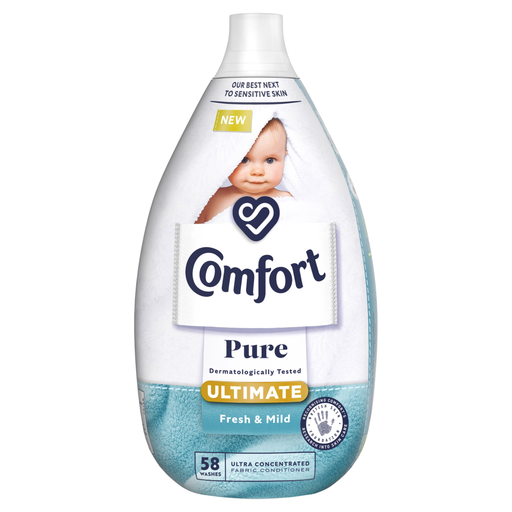
Why This Fits Their Persona: A concentrated 870ml bottle is designed for up to 58 washes, making it practical for family laundry and short or cold UK wash cycles.
The dosing guidance helps avoid over-pouring, while the product information identifies it as suitable for the whole family, including baby clothes.
Ultra-concentrated format; bottle made from 100% recycled plastic excluding cap and sleeve.
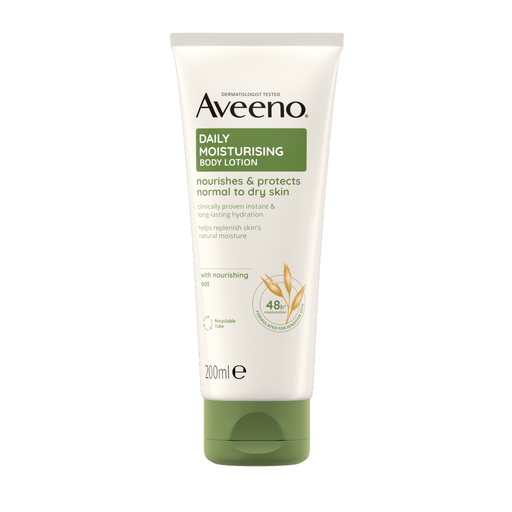
Why This Fits Their Persona: Suits shoppers who want a daily sensitive skin body lotion with a non-greasy texture for use after bathing or showering.
The listed formula includes oat flour, glycerin, petrolatum and dimethicone, rather than relying only on a vague “natural” description.
Fast-absorbing, non-greasy texture; suitable for normal to dry skin, including sensitive types.
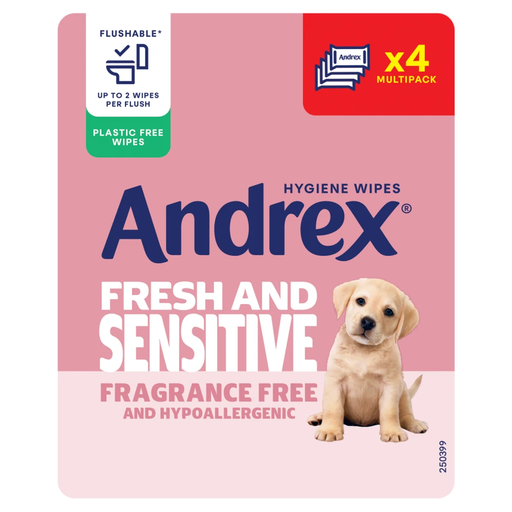
Why This Fits Their Persona: A four-pack is convenient for busy households, travel bags and keeping a spare pack in the bathroom.
The product details specify a 99% water-based, fragrance-free formula and state a maximum of two wipes per flush.
Plastic-free wipe base; packaging contains 30% recycled material.
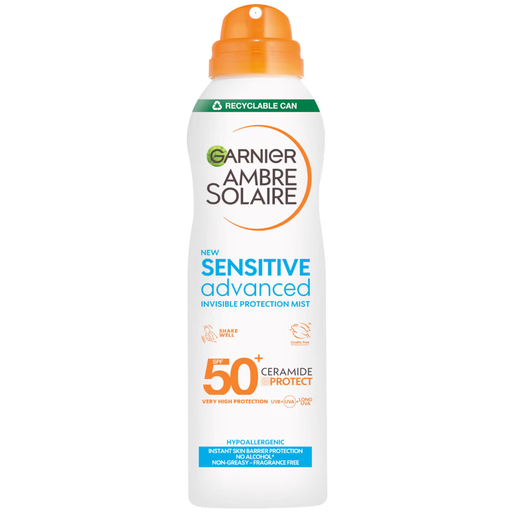
Why This Fits Their Persona: A fragrance-free SPF 50+ format is suited to households looking for high-factor daily sun protection with a quick spray application.
The label information identifies it as alcohol-free and fragrance-free, while the instructions stress generous application and frequent reapplication.
SPF 50+ UVA/UVB protection; water-resistant dry mist format.
A complete routine may also include a mild mouthwash, a sensitive antiperspirant or self-tan remover with clear use instructions. For intimate hygiene, compare fragrance-free products and apply them only to external skin. Pet owners can choose a gentle pet shampoo, such as a plant-based sensitive dog shampoo bar, when a low-waste format is useful.
Those seeking vegan sensitive skin products should still verify the specific product description and packaging, as vegan status does not automatically mean fragrance-free or suitable for every allergy. The same applies to hypoallergenic toiletries: treat the term as a useful screening point, not a personal guarantee.
Start with the product linked to your main concern, such as a fragrance-free body lotion for dryness or a gentle laundry conditioner for clothing comfort. Introduce one new formula at a time so you can identify what suits you.
Lifespan depends on dose, frequency and packaging size. Concentrated laundry products may last more washes than standard formulas. For lotions, wipes and toiletries, check the label for the open-jar symbol, expiry information and storage instructions.
Not always. Compare the price per wash, millilitre, sheet or application rather than the shelf price alone. A larger pack or concentrated formula may offer better value, provided it is used at the recommended dose.