
24/7 Customer Support

Free returns

Same-day & Next-day Delivery

Quality Guaranteed

Unlock Your Welcome Offers: FREE Delivery | Up to 80% OFF | Free 30-day JoyPlus trial
Download the APP
Sensitive skin can feel tight after cleansing, react to weather changes or become flushed after using an unsuitable product. Finding a soothing moisturiser for sensitive skin is therefore less about following viral trends and more about checking the formula, texture and intended use.
Whether you need a calming face cream for dry cheeks, a lightweight gel cream for oily skin or a barrier repair moisturiser for seasonal irritation, the right choice should support comfortable daily use without adding unnecessary irritants.
Botanical extracts can be useful, but natural ingredients are not automatically low-irritant. Essential oils and fragrance components may still cause discomfort for some users. Always check the full ingredient list rather than relying only on front-of-pack terms such as “botanical”, “clean” or “natural origin”.
A thick balm can feel comforting on very dry skin, but it may feel heavy on oily or acne-prone skin. Conversely, a lightweight sensitive skin moisturiser may not provide enough comfort in cold, windy UK weather. Texture should match both your skin type and the climate or environment where you spend time.
A moisturiser can help skin feel hydrated and look more comfortable, but it is not a treatment for a diagnosed skin condition. Marketing language around inflammation, repair or rapid redness reduction should be read as cosmetic positioning, not a medical guarantee. Stop using a product if burning, itching or persistent redness develops.
Look for familiar moisturising and barrier-supporting ingredients such as glycerin, panthenol, beta-glucan, ceramides, squalane, allantoin and hyaluronic acid. These ingredients have different roles:
If you are searching for a fragrance-free moisturiser, inspect the ingredients for “parfum” and declared fragrance allergens. Some formulas may contain botanical oils even when they appear gentle at first glance.
A lightweight gel cream can suit combination, oily or blemish-prone skin, particularly when you want a moisturiser that layers beneath sunscreen or make-up. Creams with oils, shea butter or beeswax tend to feel more protective and may be preferable for very dry or stressed skin.
Terms such as non-comedogenic moisturiser can be useful when shopping for acne-prone skin, but individual reactions still vary. Apply a small amount first and avoid introducing several new skincare products at once.
A 50ml face cream is convenient for a regular routine and easy to take away for weekends away or travelling. Larger 70–80ml sizes may offer more product for twice-daily use. Check the packaging for the current ingredient list, batch information, expiry guidance and storage instructions.
For UK shoppers, cosmetic products should have appropriate labelling, including ingredients and responsible-person information. This does not mean every product will suit every person, so a patch test remains sensible, especially for teenagers or adults with reactive skin.
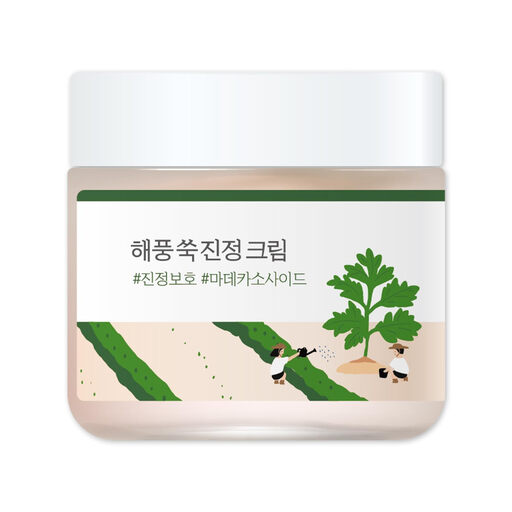
Why This Fits Their Persona: The 80ml size is practical for daily morning and evening use, while its gel cream texture suits shoppers who dislike a heavy finish.
The formula information clearly identifies mugwort, panthenol and allantoin, allowing buyers to assess the ingredients instead of relying on vague calming language.
Light gel cream texture; contains mugwort extract, centella-related compounds, panthenol and allantoin.
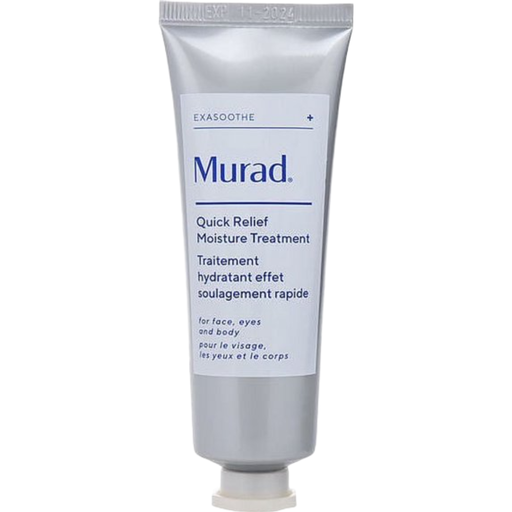
Why This Fits Their Persona: A compact option for people wanting a more nourishing daily moisturiser that can also be carried to work or used while travelling.
It combines a stated portable size with identifiable moisturising ingredients, rather than presenting portability or “quick relief” as a substitute for formula details.
Includes oat extracts, squalane, shea butter, niacinamide and allantoin; described as lightweight and non-greasy.
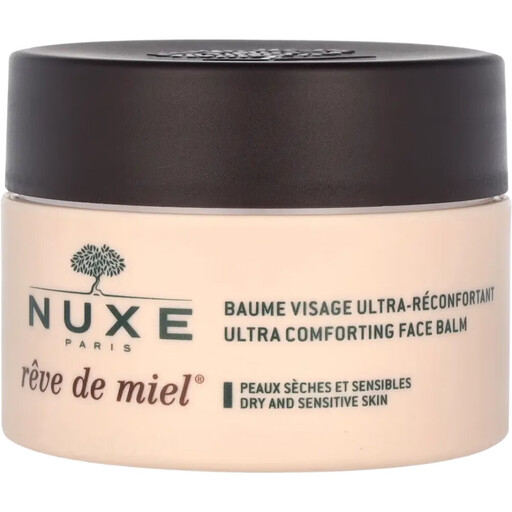
Why This Fits Their Persona: Its rich balm format is suited to dry winter skin, cold outdoor conditions or users who prefer a protective evening moisturiser.
The balm texture is clearly stated, helping dry-skin shoppers avoid buying a gel that may feel insufficient. However, it contains fragrance, so it may not suit fragrance-sensitive users.
Contains glycerin, shea butter, beeswax and botanical oils; designed as an ultra-rich face and neck balm.
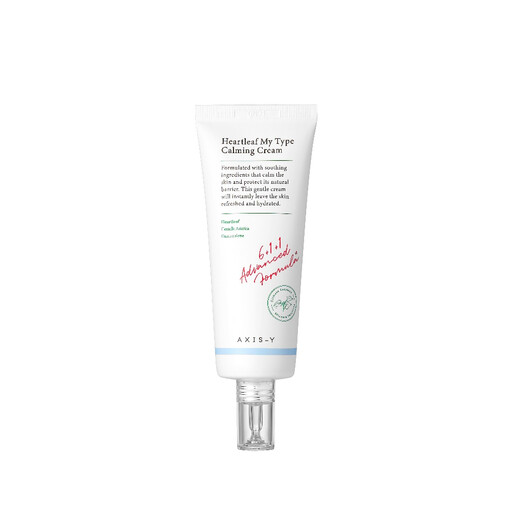
Why This Fits Their Persona: The water-based gel cream is designed for shoppers who want hydration under make-up without a noticeably greasy finish.
Its listed texture and ingredient profile make it easier to compare with richer creams. Patch testing is still advisable, as the formula includes several botanical extracts.
Contains heartleaf, centella asiatica, glycerin, sodium hyaluronate and allantoin; described as vegan-certified and cruelty-free.
We have compiled a complete, real-time list of products that fully satisfy these strict selection criteria and UK safety regulations.
Apply a modest amount after cleansing, and place it over serums if those are already part of your routine. Use morning and evening if the product instructions allow. In the daytime, finish with a broad-spectrum sunscreen suitable for your skin type.
Avoid applying a new moisturiser to broken or severely irritated skin. Patch test on a small area for 24 hours where possible, particularly when trying a cica cream, mugwort calming cream or formula containing essential oils. Introduce one new product at a time so you can identify the cause of any reaction.
Shelf life depends on the product, storage and how often it is used. A 50ml cream used twice daily may run out sooner than a 75–80ml product. Keep the lid tightly closed and store it away from direct sunlight, heat and humidity. Follow the period-after-opening symbol and packaging guidance.
Yes, but choose a lighter texture and check whether the product is described as non-comedogenic or suitable for blemish-prone skin. Avoid assuming that every rich barrier repair moisturiser will feel comfortable on oily skin. Apply a thin layer first and monitor how your skin responds.
Fragrance-free can be a useful filter if your skin reacts to perfume, but it does not guarantee suitability. Preservatives, botanical extracts and other ingredients may still cause a reaction. Read the complete ingredient list, patch test before full use and seek medical advice for persistent or worsening symptoms.