
24/7 Customer Support

Free returns

Same-day & Next-day Delivery

Quality Guaranteed

Unlock Your Welcome Offers: FREE Delivery | Up to 80% OFF | Free 30-day JoyPlus trial
Download the APP
Finding a sensitive skin moisturiser can be surprisingly difficult. A product may promise instant comfort, barrier support or a smoother complexion, yet still feel heavy, sting after application or trigger congestion. The right choice depends less on impressive marketing language and more on the formula, texture and intended use.
This guide explains the main buying pitfalls, the ingredients worth checking and suitable options for different skincare routines.
Botanical ingredients can be useful, but natural fragrance components and essential oils may still be unsuitable for reactive skin. Always read the full ingredient list rather than relying on words such as “clean”, “botanical” or “pure”.
If your skin reacts easily, a fragrance-free moisturiser with a short, familiar ingredient list may be easier to introduce. Remember that a product being labelled hypoallergenic or dermatologist tested does not guarantee that every individual will tolerate it.
Dry skin often needs a richer cream, while combination or blemish-prone skin may prefer a lotion or gel. However, the same skin can need different textures in different conditions. Cold, windy UK weather may call for more occlusive protection, whereas central heating can increase tightness without necessarily making a thick cream comfortable.
A lightweight hydrating facial moisturiser can be suitable for daytime, with a richer night cream for dry skin used in the evening.
A serum or spot treatment is not always a replacement for moisturiser. Blemish-prone skin can still become dehydrated, particularly when exposed to drying ingredients. A simple daily lotion can provide routine hydration, while a targeted product is applied only where needed.
Do not use a concentrated blemish treatment across the entire face unless the packaging specifically directs you to do so.
A practical skin barrier repair cream often combines humectants, emollients and occlusive ingredients:
Ceramides, cholesterol and fatty acids are also commonly used in barrier-focused formulas. They do not make a product universally suitable, so check the overall texture and ingredient list.
Those seeking a soothing face cream should check whether the formula contains parfum or listed fragrance allergens such as limonene, linalool or benzyl salicylate. These are not automatically unsuitable, but they may be worth avoiding if your skin is particularly reactive.
Other ingredients can also matter. For example, a blemish-focused formula may contain alcohol denat., sulphur or acids, while a rich cream may include oils or esters that some blemish-prone users prefer not to apply broadly.
Check whether the product is designed for:
Patch testing is sensible when introducing any new product. Apply a small amount to a limited area and stop if persistent redness, itching, swelling or discomfort develops. Avoid applying skincare to broken or infected skin, and follow the packaging instructions.
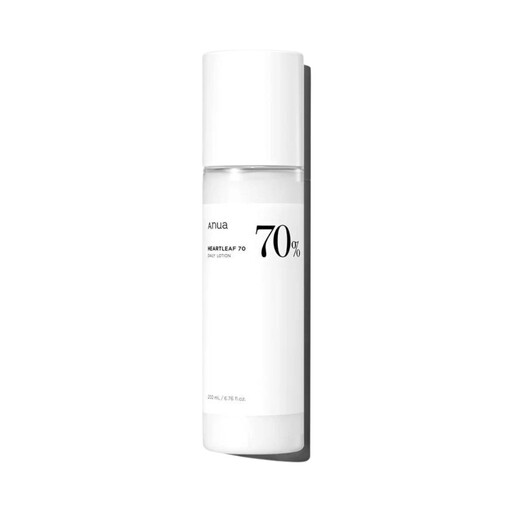
Why This Fits Their Persona: A generous 200ml format suits shoppers starting a simple morning-and-evening routine and those who prefer a lightweight lotion for everyday use.
Its fluid texture is positioned for daily hydration rather than an intensive treatment, helping avoid the mistake of using a heavy cream when a lotion is preferred.
Contains 70% Houttuynia Cordata Extract and three forms of hyaluronic acid; supplied in a practical 200ml size.
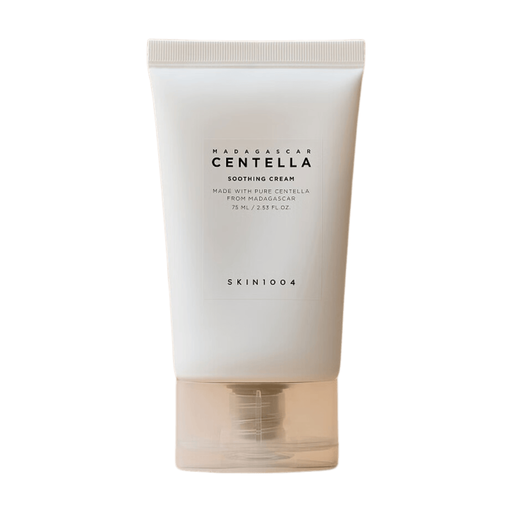
Why This Fits Their Persona: Suits shoppers interested in Korean skincare for sensitive skin and a cream that combines centella asiatica with barrier-focused ingredients.
The ingredient list identifies centella, ceramides, cholesterol and phytosphingosine, making the barrier-supporting approach clearer than relying on vague “repair” wording.
75ml size; contains centella asiatica extract and four listed ceramides, with a gel-cream texture.
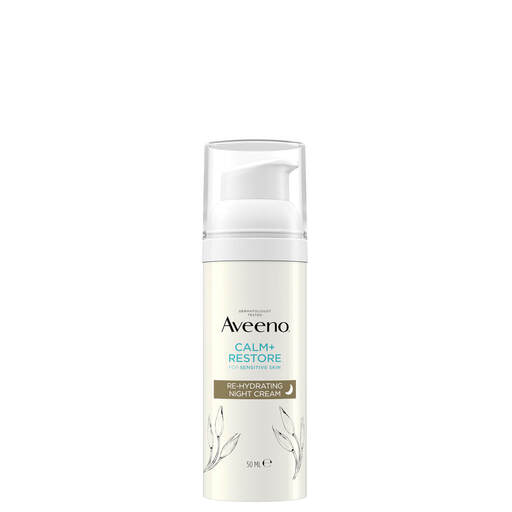
Why This Fits Their Persona: Designed for evening use, this option suits normal-to-dry sensitive skin that feels uncomfortable after exposure to cold air or indoor heating.
It is clearly labelled as a night moisturiser, so shoppers can match its richer purpose to their routine instead of expecting a daytime lotion texture.
Fragrance-free and non-comedogenic according to the product description; contains prebiotic oat and shea butter.
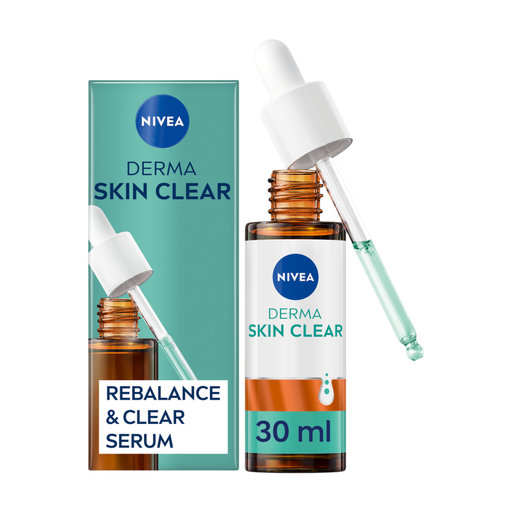
Why This Fits Their Persona: A lightweight blemish-prone skin serum can suit shoppers who want a targeted morning step before moisturiser and sunscreen.
It is positioned as a serum rather than a full moisturiser, helping users avoid replacing barrier-supporting hydration with a targeted treatment.
Contains hyaluronic acid, panthenol and niacinamide; the product description specifies use before moisturiser and sunscreen.
We have compiled a complete, real-time list of products that fully satisfy these strict selection criteria and UK safety regulations.
Most facial moisturisers are designed for daily use, but follow the individual product directions. Apply after cleansing, and use sunscreen during the day. Introduce one new product at a time so that any reaction is easier to identify.
A lotion may feel more comfortable during the day or on combination skin, while a cream can provide a more substantial layer for dry skin, particularly overnight. Texture preference, climate and the rest of your routine all matter.
The lifespan depends on the product’s packaging, storage conditions and opening frequency. Check the packaging for the period-after-opening symbol, batch information and expiry guidance. Store products away from direct sunlight and excessive heat, and do not use them if the smell, colour or texture changes noticeably.