
24/7 Customer Support

Free returns

Same-day & Next-day Delivery

Quality Guaranteed

Unlock Your Welcome Offers: FREE Delivery | Up to 80% OFF | Free 30-day JoyPlus trial
Download the APP
Choosing a sensitive skin moisturiser is not simply a matter of finding the richest cream on the shelf. A formula can feel comfortable at first yet prove unsuitable under make-up, after shaving or during colder UK weather. The right option depends on ingredients, texture, sun protection and how you plan to use it.
This guide explains the practical details to check before buying, followed by our top recommendations for different skincare routines.
Terms such as “calming”, “natural” and “for delicate skin” can be useful descriptions, but they do not guarantee compatibility with your individual skin. Fragrance, essential oils, botanical extracts and preservatives may still cause discomfort for some people.
If your skin reacts easily, look for a fragrance-free moisturiser and review the complete ingredient list before purchase. Patch testing a small amount is sensible, particularly if you are introducing a new product.
A day cream containing SPF can be convenient, but the protection level matters. SPF 15 may be suitable for some ordinary daily situations, but it is not a replacement for a higher-SPF sunscreen during prolonged outdoor exposure, bright summer conditions or holidays.
Check whether the product is intended for everyday incidental exposure or more intensive sun protection. Follow the packaging instructions and reapply sun protection when needed.
A thick cream is not automatically more hydrating, while a gel is not necessarily too light for dry skin. Heavy textures can feel uncomfortable or interfere with make-up, whereas very lightweight products may not provide enough comfort during cold, windy weather.
For a daily facial moisturiser, consider whether you prefer a fast-absorbing gel, a traditional cream or a richer barrier-supporting texture. The best match is the one you will apply consistently.
For easily irritated skin, prioritise formulas that clearly state they are fragrance-free and avoid unnecessary perfume. Also check whether the product is described as hypoallergenic, dermatologically tested or non-comedogenic. These terms can help with product comparison, but they do not remove the possibility of an individual reaction.
A non-comedogenic moisturiser may be preferable if you are concerned about blocked pores, although your wider routine and skin type also affect this.
Humectants such as glycerin attract water to the skin’s surface and are common in a hydrating face cream. Ingredients including dimethicone, emollient oils and fatty alcohols can help create a smoother-feeling finish and reduce moisture loss.
For dry or tight-feeling skin, compare the full formula rather than focusing on a single headline ingredient. A combination of humectants and emollients may provide more comfortable everyday hydration than either type alone.
A face moisturiser should be applied to clean skin, avoiding the immediate eye area unless it has been specifically designed for that purpose. If you shave, a lightweight post-shave moisturiser with a non-sticky finish may be easier to use every day.
For the eye area, choose a dedicated under-eye moisturiser or hydrating eye gel and follow its instructions carefully. Keep products away from the eyes themselves, and stop use if redness, stinging or discomfort develops.
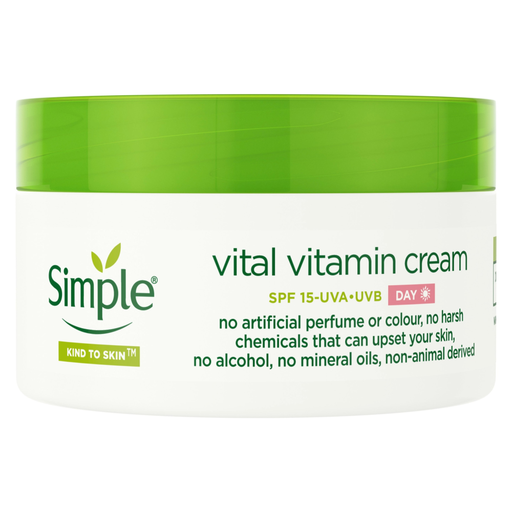
Why This Fits Their Persona: A practical morning option for shoppers wanting hydration and modest daily UV protection in one product, including use beneath make-up.
The product description identifies it as free from artificial perfume and colours, with a lightweight texture designed to absorb without a greasy finish. SPF 15 should still be supplemented when stronger protection is required.
Contains glycerin, pro-vitamin B5, vitamin E and bisabolol; includes SPF 15 and a 50ml format.
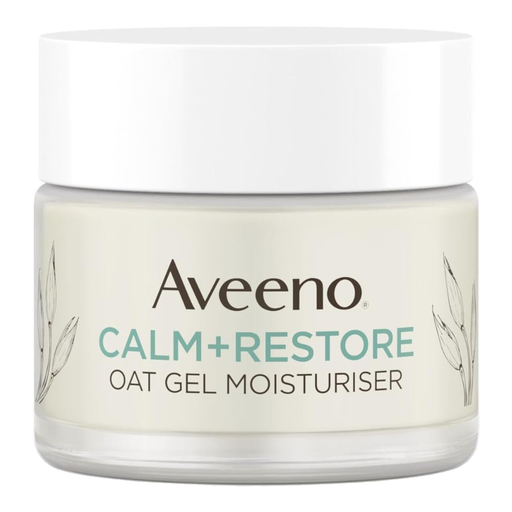
Why This Fits Their Persona: Suits shoppers who prefer a refined, quick-absorbing gel cream for normal to dry sensitive skin, including morning and evening use.
Its listed features include fragrance-free, hypoallergenic and non-comedogenic formulation, helping shoppers avoid perfume and overly heavy textures.
Uses prebiotic oat and feverfew extract; the gel cream is described as lightweight and fast-absorbing.
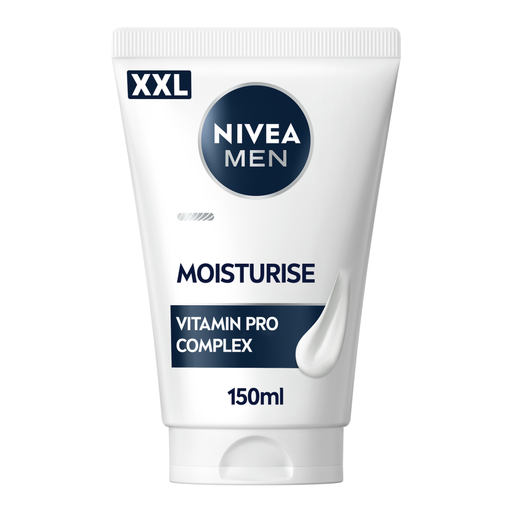
Why This Fits Their Persona: The 100ml size and non-sticky finish make it suitable for frequent daily use, including a straightforward men’s sensitive skin moisturiser after shaving.
It is listed as fragrance-free and designed with a light finish, helping address the common issue of greasy residue after application.
Contains glycerin, panthenol, shea butter and chamomile extract; suitable for face, neck and post-shave application.
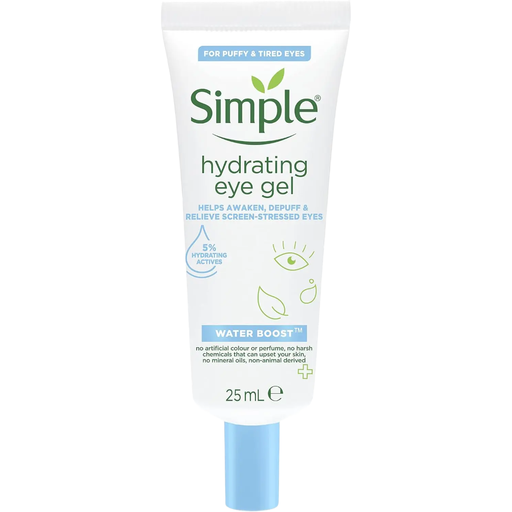
Why This Fits Their Persona: A focused option for shoppers who want lightweight hydration around the eyes rather than using a standard face cream in this delicate area.
The listed formula is free from perfume and colour, with a cooling gel texture intended to absorb without a heavy or sticky feel.
Contains glycerin and electrolytes; the product is described as dermatologically and ophthalmologically tested.
We have compiled a complete, real-time list of products that fully satisfy these strict selection criteria and UK safety regulations.
Look for a formula combining humectants such as glycerin with emollient or barrier-supporting ingredients. A fragrance-free moisturiser may be easier to tolerate, while a richer cream can feel more comfortable in cold or dry indoor conditions. Always check the ingredient list and patch test first.
Yes. A men’s sensitive skin moisturiser can be applied after shaving if the product instructions allow it. Choose a fragrance-free, non-sticky formula and apply gently rather than rubbing freshly shaved skin. The NIVEA MEN option above is specifically listed for post-shave use.
The usable period varies by product, storage conditions and the packaging symbol. Check the open-jar period and expiry information on the container. Keep the product away from direct sunlight and excessive heat, and avoid using it if its smell, colour or texture changes.