
24/7 Customer Support

Free returns

Same-day & Next-day Delivery

Quality Guaranteed

Unlock Your Welcome Offers: FREE Delivery | Up to 80% OFF | Free 30-day JoyPlus trial
Download the APP
Finding a sensitive skin moisturiser is not simply about choosing the product with the most soothing-sounding claims. Skin may feel tight after cleansing, react to fragrance, become dry during colder UK weather or look shiny while still lacking hydration. The right choice depends on your skin’s needs, the formula and how you plan to use it.
Botanical oils and extracts can be useful, but natural ingredients may still trigger sensitivity. Fragrance components such as limonene, linalool, citral and citronellol can be unsuitable for reactive skin. Always read the full ingredient list rather than relying on terms such as “clean” or “natural origin”.
A lightweight hydrating gel cream may feel comfortable on oily or acne-prone skin, but it may not provide enough protection for very dry cheeks. Conversely, a rich barrier repair cream may feel too occlusive under make-up or on an oilier T-zone.
Texture should support your routine, not replace ingredient checking. Gel creams are generally convenient for daytime use, while balms and richer creams can suit dry areas or colder, windy conditions.
A daily cosmetic moisturiser is not automatically appropriate for broken, inflamed or persistently uncomfortable skin. Products intended for eczema or itch may contain active ingredients and specific warnings. Follow the packaging directions, avoid applying unsuitable products to damaged skin and ask a pharmacist or GP for advice when symptoms continue.
For dry or tight skin, look for a combination of:
Those seeking a moisturiser for dry sensitive skin may prefer a cream containing several of these groups rather than one ingredient promoted as a complete solution.
A fragrance-free moisturiser is often a sensible starting point for people who react to scented skincare. However, “fragrance-free” does not mean allergy-proof, and botanical extracts can still be relevant if you have known sensitivities.
Check whether the formula contains parfum, essential oils or listed fragrance allergens. If you prefer scented skincare and your skin is not fragrance-sensitive, a lightly fragranced balm may still fit your routine.
An acne-prone skin moisturiser should feel comfortable without leaving a heavy film, while very dry skin may need a richer formula. For children and infants, use only products whose packaging specifically states they are suitable for that age group. E45 Itch Relief Cream, for example, is listed for infants over one month, but its active ingredients and warnings mean that directions should be followed carefully.
Patch test a new product on a small area for 24 hours where practical. Stop use if you develop persistent stinging, itching, swelling or a rash.
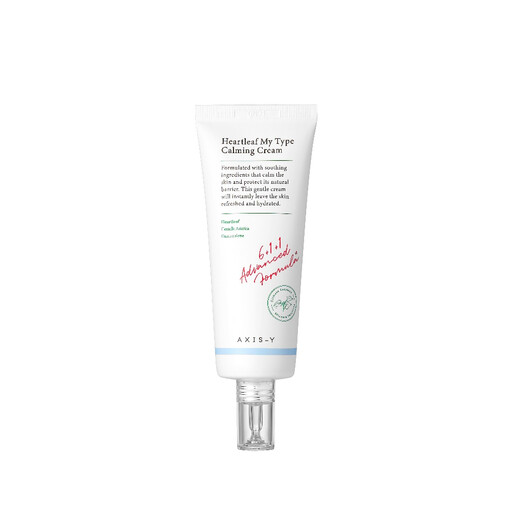
Why This Suits This Shopper: Its water-based gel-cream texture is suited to teenagers and adults who want daily hydration that layers under make-up and does not feel greasy.
The quick-absorbing finish avoids the heavy texture trap, while the ingredient list includes glycerin, sodium hyaluronate, heartleaf, centella and allantoin.
Light gel-cream texture; vegan-certified and cruelty-free according to the product information.
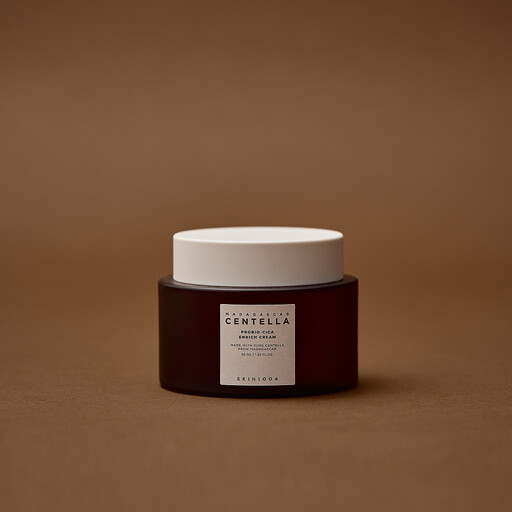
Why This Suits This Shopper: Suitable for shoppers prioritising a richer barrier-focused formula for reactive or dry skin, particularly during colder UK months.
It combines ceramide NP, phytosphingosine, squalane, glycerin and centella-related ingredients rather than relying on a single soothing claim.
Nourishing cream texture; includes ceramide NP, hyaluronic acid and fermented ingredients.
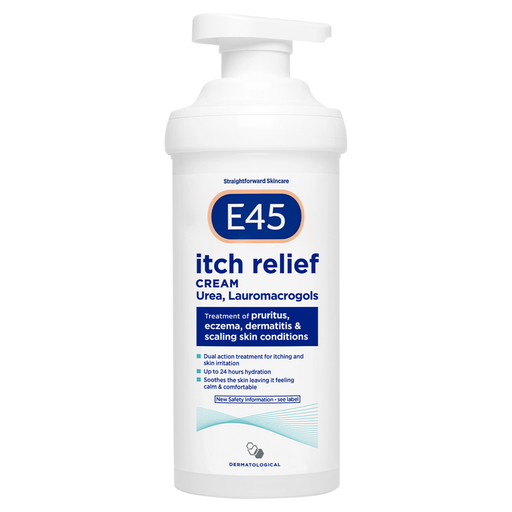
Why This Suits This Shopper: The large pump format is practical for frequent household use on dry, itchy areas, with the listing specifying suitability for infants over one month.
It clearly identifies 5% urea and 3% lauromacrogols as active ingredients, helping shoppers distinguish an emollient treatment from a standard face cream.
500g pump bottle; fragrance-free formulation with urea and dimethicone.
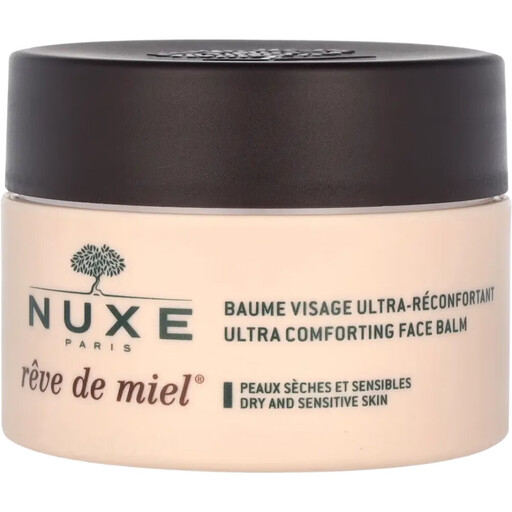
Why This Suits This Shopper: Its enveloping balm texture is suited to very dry facial skin exposed to cold wind, indoor heating or seasonal tightness.
The ingredient list makes its rich profile clear, including beeswax, coconut oil, macadamia oil, shea-derived ingredients and dimethicone. It should not be confused with a fragrance-free moisturiser.
Balm texture; listed as containing 92.9% natural-origin ingredients.
We have compiled a complete, real-time list of products that fully satisfy these strict selection criteria and UK safety regulations.
Apply a small amount to cleansed skin, preferably while it is slightly damp if the formula is designed for facial hydration. Introduce one new skincare product at a time so that any reaction is easier to identify. Avoid applying face creams directly to the eye area unless the packaging permits it.
For redness-prone or acne-prone skin, begin with a thin layer and observe how the formula feels over several uses. Richer products can be reserved for dry patches, while a calming moisturiser or gel cream may work better across the full face.
Look for humectants such as glycerin or hyaluronic acid alongside emollients and barrier-supporting ingredients such as ceramides, squalane or dimethicone. Choose a richer cream or balm if your skin feels tight, particularly in cold or dry indoor conditions.
Not necessarily, but fragrance-free products remove one common source of potential irritation. Check the complete ingredient list because essential oils and botanical extracts may also be unsuitable for some individuals.
Only if the packaging indicates facial use and your skin tolerates it. Some products contain active ingredients intended for itch or eczema-related symptoms and may carry additional warnings. For persistent or worsening symptoms, seek advice from a pharmacist, GP or dermatologist.