
24/7 Customer Support

Free returns

Same-day & Next-day Delivery

Quality Guaranteed

Unlock Your Welcome Offers: FREE Delivery | Up to 80% OFF | Free 30-day JoyPlus trial
Download the APP
Finding a sensitive skin moisturiser can be difficult when labels promise instant comfort, barrier repair and long-lasting hydration. Sensitive, dry or redness-prone skin may react to fragrance, essential oils, alcohol or simply an overly complicated formula. The right choice depends less on impressive wording and more on ingredients, texture, intended use and how your skin responds.
This guide explains the main buying pitfalls, the specifications worth checking and our top recommendations for different routines.
Botanical ingredients can be useful, but natural fragrance and essential oils may still irritate reactive skin. For example, carrot-based creams may include several aromatic oils, so check the full ingredient list rather than relying on terms such as “clean”, “plant-based” or “natural”.
If your skin is easily triggered, a fragrance-free moisturiser with a shorter ingredient list may be easier to assess. Remember that “fragrance-free” and “unscented” are not always interchangeable, so read the packaging carefully.
Hypoallergenic means that a product has been formulated to reduce the likelihood of allergic reactions; it does not mean that a reaction is impossible. Individual sensitivities vary. Always patch test a new product on a small area, particularly if you have previously reacted to skincare.
Similarly, non-comedogenic moisturiser is a useful description for shoppers concerned about blocked pores, but it cannot guarantee that every person will avoid blemishes.
A cream can make skin feel softer immediately without addressing ongoing moisture loss. For a skin barrier repair cream, look for a blend of humectants, emollients and occlusive ingredients:
A lightweight gel may suit daytime use, while a richer night cream for sensitive skin can be more comfortable for dry or tight skin.
If your skin stings after cleansing or shaving, consider a formula without added fragrance and ethyl alcohol. However, ingredient lists can change, so compare the list on the product packaging with the online description before use.
Some products contain useful soothing ingredients such as panthenol, allantoin, oat, centella asiatica or niacinamide. These ingredients are not guarantees of a particular medical outcome, but they can help explain the product’s intended cosmetic function.
Choose a texture that you will use consistently:
Apply moisturiser to clean, slightly damp skin when possible. During the day, use a separate sunscreen suitable for your skin; a moisturiser is not automatically a substitute for SPF.
A 30–50ml facial cream is convenient for a handbag or travel, while a 75–100ml tube may offer more practical value for daily use. Baby lotions are designed for delicate skin on the body and should be used according to their label directions rather than automatically substituted for a facial product.
Check the product’s seal, shelf-life information and current ingredients. Do not use a product on broken, inflamed or infected skin unless a healthcare professional has advised you to do so.
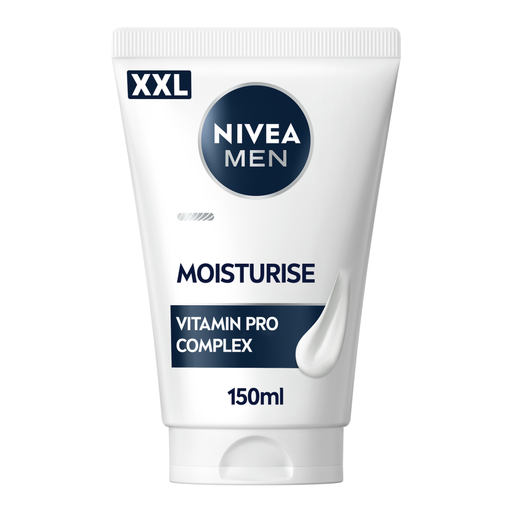
Why This Fits Their Persona: The 100ml format is practical for a regular morning, evening or post-shave routine, particularly for shoppers seeking a straightforward men's sensitive face moisturiser.
The listed formula is fragrance-free and includes glycerin, panthenol and shea butter. Check the packaging because the smaller 75ml version has parfum in its listed ingredients.
Fragrance-free 100ml formula; designed for use after shaving and leaves a non-sticky finish according to the product description.
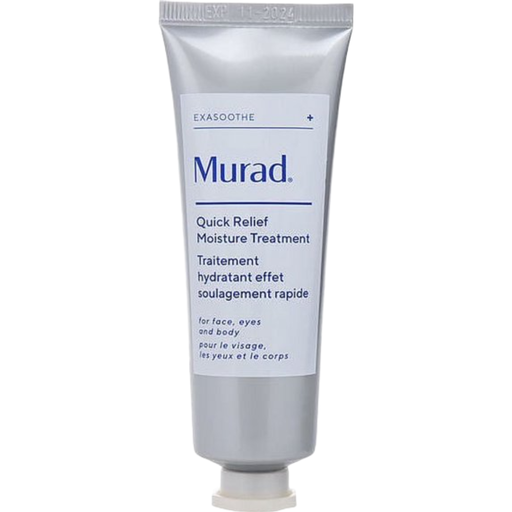
Why This Fits Their Persona: Its portable 50ml size and lightweight texture suit people who want a targeted moisturiser for irritated skin at home, work or while travelling around the UK.
The ingredient list identifies oat, squalane, shea butter, niacinamide and allantoin, rather than relying only on broad soothing language.
Fast-absorbing, non-greasy texture; contains several recognised moisturising and conditioning ingredients.
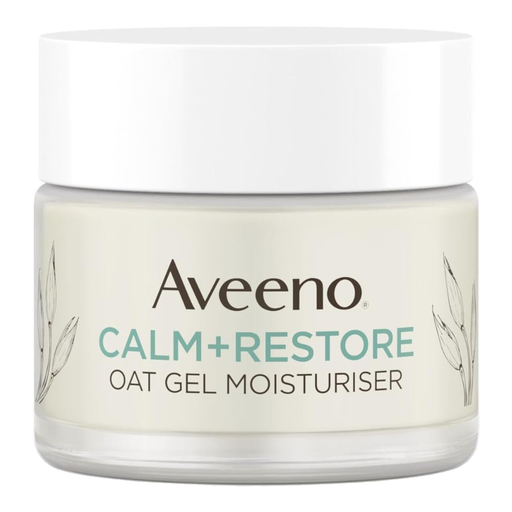
Why This Fits Their Persona: A sensible option for normal-to-dry sensitive skin when you want a daily face moisturiser for sensitive skin that feels light in the morning.
The formula is listed as fragrance-free and non-comedogenic, with oat ingredients and dimethicone for moisturising support.
Lightweight gel-cream texture; suitable for morning and evening application on normal-to-dry sensitive skin.
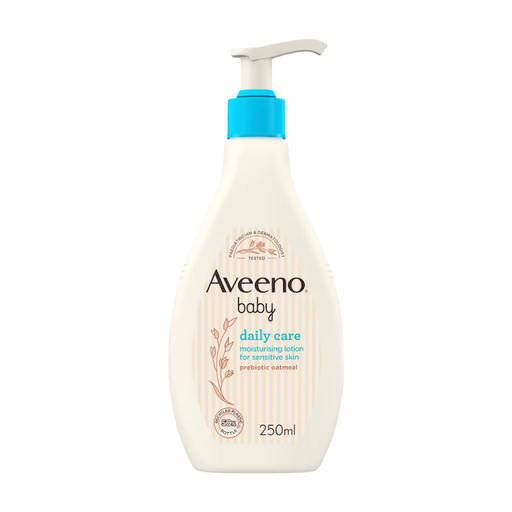
Why This Fits Their Persona: Parents seeking a gentle moisturiser for delicate baby skin may value the 250ml pump-style format for regular after-bath use.
The listed formula is unscented, dye-free and pH-balanced. Use it only as directed for children aged 0 months and seek paediatric advice if irritation persists.
250ml volume; contains colloidal oatmeal and is described as suitable for newborn and delicate skin.
We have compiled a complete, real-time list of products that fully satisfy these strict selection criteria and UK safety regulations.
Most facial moisturisers can be applied morning and evening after cleansing. Start with a small amount and add more to dry areas if needed. If using a new formula, patch test first and stop if persistent redness, itching, swelling or burning develops.
Not necessarily. Fragrance-free products may reduce one potential trigger, but other ingredients can still cause an individual reaction. Check the complete ingredient list and avoid applying cream to broken or severely inflamed skin.
Usually, a night cream can be used during the day if its label allows it. Richer textures may feel heavy under makeup, and daytime skincare should include a separate broad-spectrum sunscreen where appropriate. A night cream does not automatically provide sun protection.