
24/7 Customer Support

Free returns

Same-day & Next-day Delivery

Quality Guaranteed

Unlock Your Welcome Offers: FREE Delivery | Up to 80% OFF | Free 30-day JoyPlus trial
Download the APP
When skin feels tight, stings after cleansing or looks persistently flushed, adding another strong active can make matters worse. A suitable sensitive skin serum should support hydration and comfort without turning your routine into a long list of potentially irritating steps.
However, product pages often make barrier care sound simpler than it is. The right choice depends on the formula, your current skin condition and how you plan to use it.
A serum containing numerous botanical extracts, acids, fragrance and brightening ingredients may look sophisticated, but sensitive skin can react to several variables at once. A shorter or more focused formula is often easier to introduce and assess.
Check the full INCI ingredient list, not only front-label claims such as “calming” or “redness relief”. Fragrance, essential-oil components and certain exfoliating ingredients may be unsuitable if your skin is already reactive.
Humectants such as glycerin, panthenol and hyaluronic acid attract water to the skin’s surface. They can improve the feeling of dryness, but a comfortable routine usually also needs moisturising ingredients that help reduce water loss.
For a skin barrier repair serum, look for a sensible combination of:
No serum can compensate for harsh cleansing, over-exfoliation or skipping moisturiser.
Sensitive skin is not identical from person to person. A formula can be fragrance-free yet still contain an ingredient that does not suit you. Conversely, a product with botanical extracts may be comfortable for one person and unsuitable for another.
Perform a patch test before applying a new product to your entire face. Avoid applying serum to broken, wounded, eczema-affected or severely inflamed skin, and stop use if you experience persistent burning, swelling, itching or a rash.
For a soothing serum for redness or a serum for irritated skin, prioritise formulas that focus on hydration and comfort rather than combining several high-strength actives. If you are choosing a Korean skincare serum for sensitive skin, compare the actual ingredients rather than relying on the product’s country of origin.
Fragrance is particularly worth checking. Some botanical formulas include parfum or aromatic plant extracts, while others are fragrance-free. This does not determine whether a product will suit you, but it helps you make a more informed comparison.
A watery serum or centella ampoule may suit oily or combination skin and layer easily under sunscreen. A milky, emollient formula may feel more comfortable on dry or barrier-compromised skin, especially during colder UK weather.
Apply products from lighter to richer textures:
Check whether the product instructions recommend using it before moisturiser. Most products in this guide do.
A 30ml bottle may be convenient for occasional use, while a 50–60ml product can make more sense for twice-daily application. Keep the container closed, away from direct sunlight and high temperatures, and check the packaging for the current ingredients, batch details and shelf-life information.
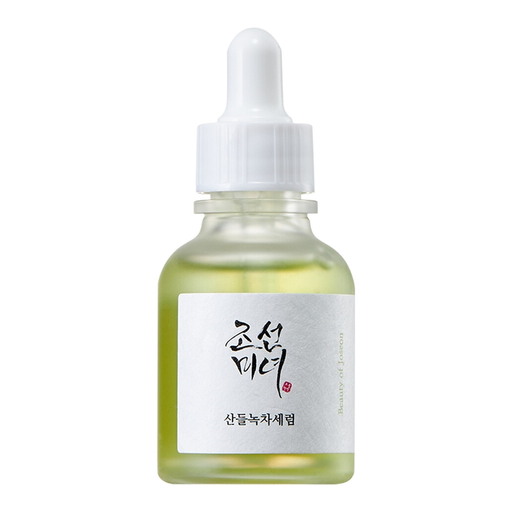
Why This Fits Their Persona: A straightforward entry point for shoppers who want a lightweight calming face serum for morning and evening use without a complicated routine.
The listed formula is centred on green tea leaf water, panthenol, glycerin and allantoin, rather than a multi-active exfoliating blend. It is also listed as fragrance-free.
Watery-gel texture; includes panthenol, sodium hyaluronate and dipotassium glycyrrhizate for a hydration-focused routine.
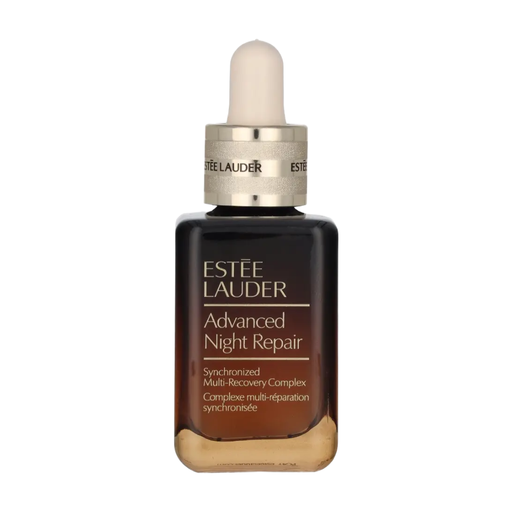
Why This Fits Their Persona: Suitable for shoppers seeking a premium-feeling serum that combines hydration with a broader skincare routine focused on dryness and visible signs of ageing.
Its ingredient list includes sodium hyaluronate, glycerin, squalane, bifida ferment lysate and lactobacillus ferment. Shoppers should still note that the formula contains colour additives.
Contains hyaluronic acid and a peptide; instructions allow morning and evening application before moisturiser.
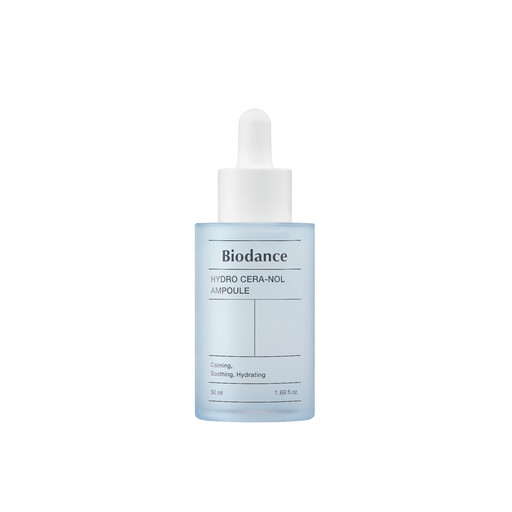
Why This Fits Their Persona: A practical option for dry, tight-feeling skin that needs a richer hydration step during indoor heating or colder UK weather.
The product details identify panthenol, ceramides and hyaluronic acid, providing a more complete hydration profile than a humectant-only serum.
50ml size; milky texture with panthenol, ceramides and multiple hyaluronic-acid ingredients listed.
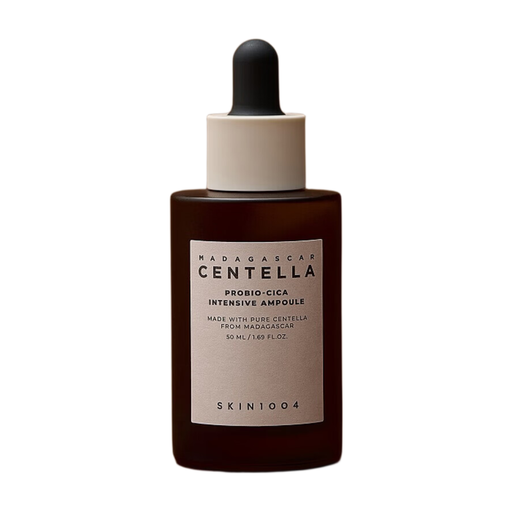
Why This Fits Their Persona: Designed for users who want an ampoule with centella, fermentation and ceramide ingredients in one dedicated barrier-support step.
The listed ingredients include fermented centella, panthenol, allantoin, sodium hyaluronate and ceramide NP. It avoids relying on a single soothing ingredient alone.
50ml format; includes ceramide NP, fermented centella, panthenol and a richer emulsion-style texture.
We have compiled a complete, real-time list of products that fully satisfy these strict selection criteria and UK safety regulations.
Introduce one new product at a time, preferably when your routine is otherwise stable. Use a small amount on clean skin, then follow with moisturiser. If your skin is very reactive, begin every other evening rather than immediately applying it twice daily.
Avoid combining a new ceramide serum, panthenol serum or probiotic serum with several retinoids, exfoliating acids or strong vitamin C products at the same time. Once your skin is comfortable, you can assess whether additional products are necessary.
A serum is not a substitute for medical care. If redness, burning, swelling or itching persists, seek advice from a GP or qualified healthcare professional.
There is no universal choice. Watery formulas can be easier to layer on oily or combination skin, while milky ampoules may suit dry, tight-feeling skin. Focus on the full ingredient list, fragrance content, texture and your personal history of reactions.
Many products are designed for morning and evening use, but start gradually if your skin is irritated or barrier-compromised. Apply moisturiser afterwards and use SPF during the day. Follow the individual product directions and stop if irritation develops.
Usage varies according to the amount applied and whether it is used once or twice daily. Using a few drops or the recommended amount generally makes a 30ml bottle suitable for regular use over several weeks. Keep the cap tightly closed and follow the storage guidance on the packaging.