
24/7 Customer Support

Free returns

Same-day & Next-day Delivery

Quality Guaranteed

Unlock Your Welcome Offers: FREE Delivery | Up to 80% OFF | Free 30-day JoyPlus trial
Download the APP
Sensitive skin can react to weather changes, over-cleansing, shaving, fragrance and strong active ingredients. For UK households, cold winds, indoor heating and frequent showers can make dryness and discomfort more noticeable. The right sensitive skin skincare routine should therefore be simple, comfortable and suited to your skin’s current condition—not built around the longest ingredient list.
Botanical ingredients can be useful, but they may still cause discomfort for some people. Essential oils, fragrance and highly concentrated plant extracts are not automatically suitable for reactive skin. Check the full ingredient list rather than relying on front-of-pack phrases such as “clean”, “natural” or “calming”.
A fragrance-free moisturiser is often a sensible starting point, particularly if your skin is dry, redness-prone or uncomfortable after shaving.
Gel creams and watery serums can feel pleasant, but a product’s texture does not tell you how well it supports moisture retention. Humectants such as glycerin, panthenol and hyaluronic acid attract water, while ingredients including ceramides, fatty acids, cholesterol, dimethicone and emollient oils help reduce moisture loss.
If your face feels tight soon after application, a sensitive skin moisturiser may need a more protective finish, or you may need to apply a cream over a serum.
Persistent itching, swelling, cracking, oozing or a spreading rash may need advice from a pharmacist, GP or dermatologist. Cosmetic products should not be presented as treatments for medical conditions. For products containing active ingredients intended for itch relief, read the label carefully and follow the stated age, application and safety guidance.
Look for products that clearly state whether they contain fragrance or essential oils. “Alcohol-free” can be useful for some reactive routines, but not every type of alcohol has the same function, so the complete ingredients list still matters.
If you are choosing a soothing cream for sensitive skin, introduce one new product at a time. Apply a small amount to an inconspicuous area first and monitor your skin before using it across the face.
For a skin barrier repair cream, consider formulas containing ceramides, panthenol, glycerin, beta-glucan or other established moisturising ingredients. Avoid adding several new actives while your skin is unsettled.
A daily SPF 50 facial sunscreen should be applied generously to the face, neck and ears, following the product’s directions. In the UK, look for a clearly stated SPF and UVA protection information. Reapply when required, particularly after swimming, heavy perspiration or extended outdoor exposure.
A sunscreen that feels comfortable is more likely to be used consistently. However, a serum-like texture does not remove the need to apply enough product or reapply appropriately.
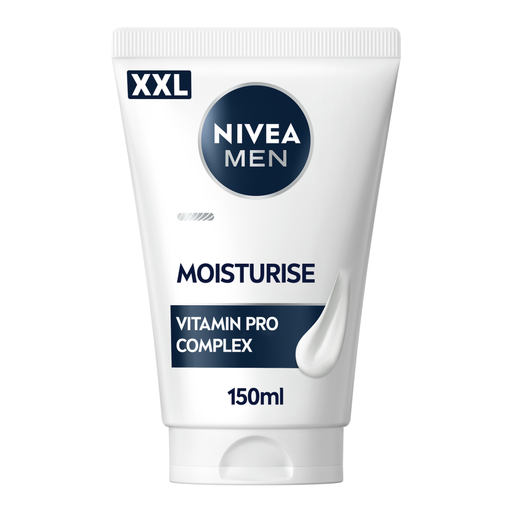
Why This Fits Their Persona: A practical choice for men wanting one everyday moisturiser for morning routines, evening care or post-shave use in the UK.
The fragrance-free formula and clearly described lightweight texture make it easier to assess than a vague “fresh” or scented product claim.
100ml format; contains glycerin and panthenol; designed for a non-sticky finish.
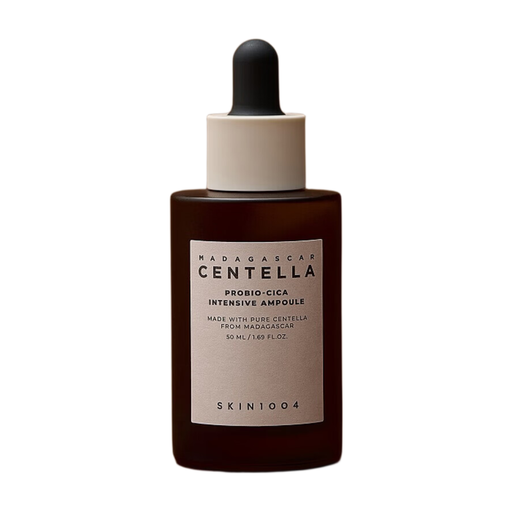
Why This Fits Their Persona: Suits shoppers building a considered routine around a compromised-feeling barrier, dryness or seasonal sensitivity.
Its listed ceramide, panthenol and fermented Centella ingredients provide more useful buying information than an unsupported “instant repair” promise.
50ml ampoule; contains fermented Centella and ceramide NP; milky texture for use beneath moisturiser.
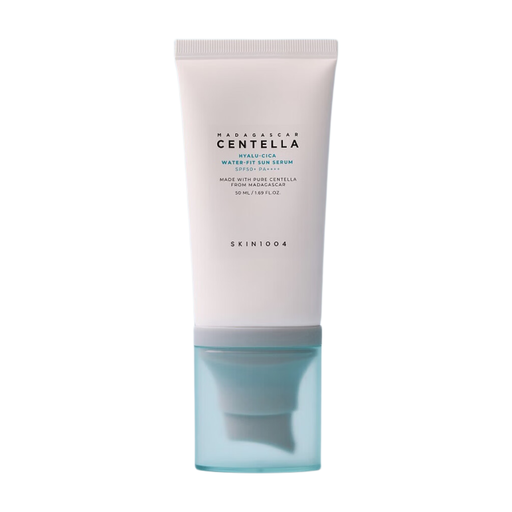
Why This Fits Their Persona: A daily option for commuters and makeup users who prefer a clear, serum-like sunscreen finish.
The product information specifies SPF 50+ PA++++, a fragrance-free formula and a transparent finish, while also noting that it is not water or sweat-resistant.
Centella Asiatica and hyaluronic acid; lightweight finish; reapplication is required after swimming or heavy perspiration.
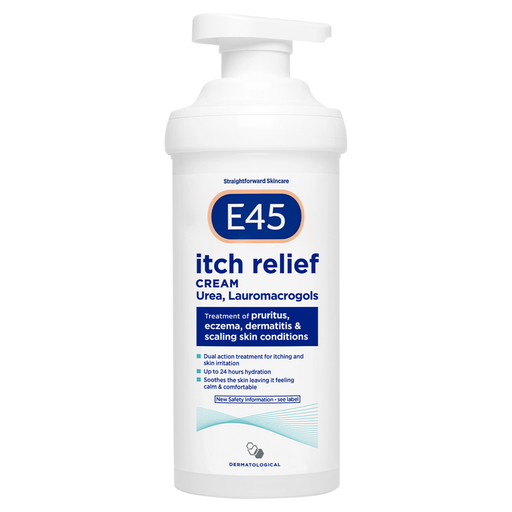
Why This Fits Their Persona: The large pump format is practical for frequent household use on areas affected by dry, itchy skin, subject to the product label.
It identifies its active ingredients—5% urea and 3% lauromacrogols—rather than relying only on broad “relief” wording. Read the leaflet and warnings before use.
500g pump bottle; fragrance-free; intended for dry and itchy skin conditions. Avoid broken or inflamed skin unless advised otherwise.
A practical order is:
Do not combine several exfoliants, retinoids and new serums at once. A freeze-dried mask set should be mixed and used exactly as directed, with unused solution stored or discarded according to the packaging.
We have compiled a complete, real-time list of products that fully satisfy these strict selection criteria and UK safety regulations.
Start with a fragrance-free moisturiser containing straightforward hydrating ingredients. Add a cleanser and sunscreen only after you know the moisturiser is comfortable. This makes it easier to identify the cause if irritation occurs.
Yes, but choose a lighter gel cream or non-comedogenic formula if that suits your skin. Avoid assuming that oily skin needs no moisturiser; dehydration can still cause tightness and discomfort.
Shelf life varies by formula, packaging and storage. Check the packaging for the period-after-opening symbol, batch information and expiry guidance. Store products away from heat and direct sunlight, and stop using them if their smell, colour or texture changes.