
24/7 Customer Support

Free returns

Same-day & Next-day Delivery

Quality Guaranteed

Unlock Your Welcome Offers: FREE Delivery | Up to 80% OFF | Free 30-day JoyPlus trial
Download the APP
Choosing a sensitive skin soothing cream can feel straightforward until marketing language makes every formula sound suitable for everyone. A lightweight gel may not provide enough comfort for very dry skin, while a rich ointment can feel uncomfortable on an oily or acne-prone complexion.
The right choice depends on your skin concern, the formula’s ingredient list and how you intend to use it. This guide highlights common buying traps, explains the specifications worth checking and matches several options to different UK skincare needs.
Botanical ingredients such as centella asiatica, calendula, chamomile and mugwort can be appealing in a calming moisturiser for sensitive skin. However, botanical formulas may also contain fragrance or aromatic extracts that some people find uncomfortable.
Always read the full ingredient list rather than relying on terms such as “plant-based” or “clean”. For example, the Jurlique Calendula Redness Rescue Restorative Treatment Serum includes fragrance and several botanical extracts, so a patch test is sensible if you are prone to reactions.
A hydrating gel cream can feel comfortable on combination or oily skin, particularly during warmer weather or under make-up. It may not be enough for very dry hands, rough body patches or a weakened moisture barrier.
Conversely, an ointment containing petrolatum or mineral oils creates a more substantial protective layer. That can be useful for baby barrier protection or areas exposed to wetness, but it may feel too occlusive for everyday facial use.
A moisturiser can help reduce the feeling of tightness and support comfortable-looking skin, but it should not be treated as a replacement for medical advice. Products marketed for itching, eczema-prone skin or dermatitis may have specific directions and warnings.
If itching, redness, swelling or discomfort persists, worsens or affects broken skin, speak to a pharmacist, GP or dermatologist. Always follow the product label, especially when buying an anti-itch cream for a child.
A fragrance-free moisturiser is often a practical starting point for reactive or easily irritated skin. Check the INCI list for “Parfum” or fragrance components, as well as essential oils and aromatic plant extracts.
Fragrance-free does not mean allergy-proof. Preservatives, botanical ingredients and other components can still cause an individual reaction. Carry out a small patch test according to the product instructions before applying a new formula more widely.
A balanced skin barrier repair cream usually combines several types of moisturising ingredients:
For a lightweight facial product, look for glycerin, panthenol, hyaluronic acid or beta-glucan alongside a gel or fluid texture. For very dry body skin, an oat moisturiser or richer lotion may be more appropriate.
A non-comedogenic moisturiser may be preferable for blemish-prone skin, although “non-comedogenic” is not a guarantee that every person will tolerate it. Gel creams and watery ampoules are generally easier to layer, while creams and ointments offer more substantial surface protection.
Also check whether the product is intended for the face, body or nappy area. A baby barrier ointment should not automatically be used as a facial moisturiser, and a facial serum may not provide enough protection for severely dry hands or elbows.
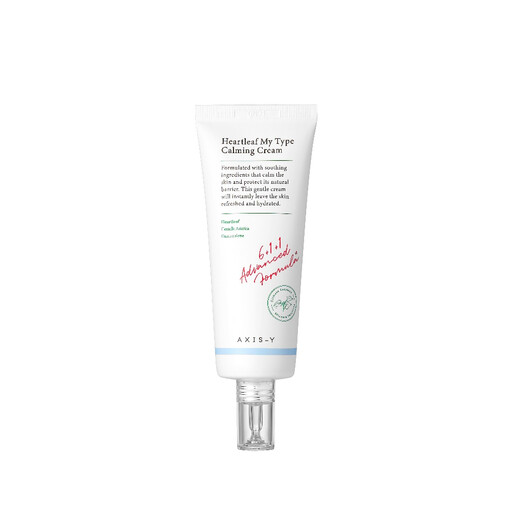
Why This Fits Their Persona: A practical daily facial option for shoppers wanting a lightweight moisturiser for acne-prone skin that can sit under make-up.
Its water-based gel-cream texture avoids the heavy finish some buyers dislike, while the listed formula includes glycerin, sodium hyaluronate, allantoin and heartleaf extract.
Lightweight finish; listed as vegan-certified, cruelty-free and non-comedogenic.
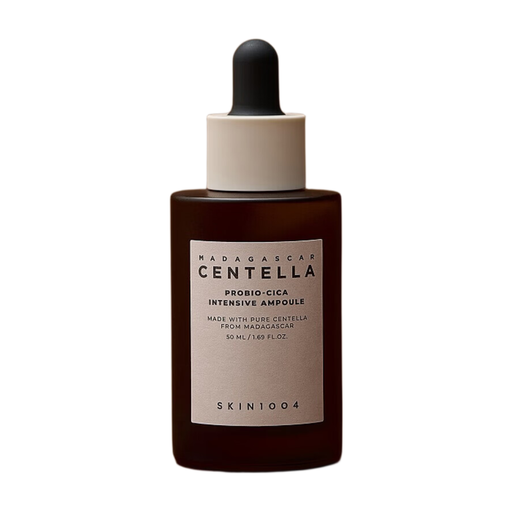
Why This Fits Their Persona: Suits adults seeking a more concentrated layer for dry, stressed or compromised-feeling facial skin before moisturiser.
The milky ampoule format gives more substance than a watery serum, while the ingredient list includes ceramide NP, panthenol, allantoin and fermented centella.
Contains five listed ceramides; designed to layer beneath a cream.
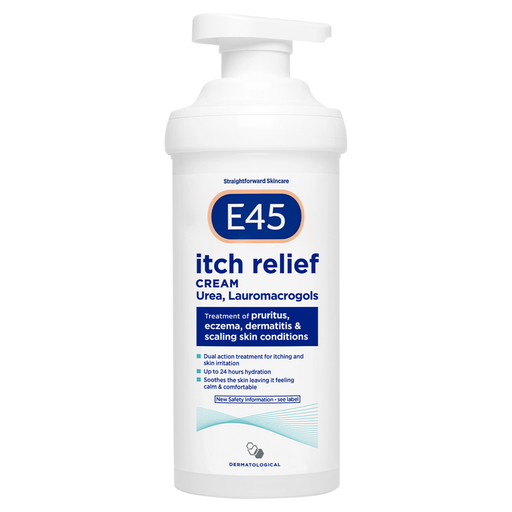
Why This Fits Their Persona: A large-format choice for households regularly applying cream to dry, itchy areas, subject to the label and pharmacist guidance.
It clearly lists 5% urea and 3% lauromacrogols as active ingredients, rather than relying only on vague “calming” language.
500g pump bottle; fragrance-free formulation with urea for moisture retention.
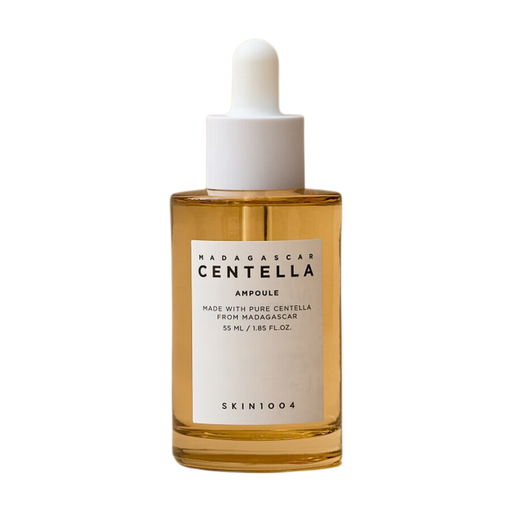
Why This Fits Their Persona: Suitable for shoppers who prefer a short ingredient list and a watery layer that can be used on its own or beneath a cream.
The product lists centella asiatica extract as its sole ingredient, making it easier to check when avoiding complex blends.
55ml dropper bottle; watery texture suitable for layering.
We have compiled a complete, real-time list of products that fully satisfy these strict selection criteria and UK safety regulations.
Keep a new routine simple. Apply a small amount to clean, dry skin and avoid introducing several new products at once. If the formula is a serum or ampoule, apply it before moisturiser; a cream generally comes later to reduce moisture loss.
For facial products, start once daily if your skin is easily reactive. Avoid applying new skincare to broken, sunburned or actively inflamed skin unless the label specifically allows it. Stop use if you notice persistent stinging, rash, swelling or worsening redness.
Parents should check age guidance carefully. Metanium Everyday Barrier Ointment, for example, is listed for daily barrier protection from birth, whereas other facial products are not automatically suitable for babies or young children.
It is typically used to moisturise dry-feeling skin and improve comfort when the skin feels tight or sensitive. Ingredient choices vary, so select a fragrance-free moisturiser, barrier-focused cream or lighter gel according to your needs.
A gel cream may feel less greasy than a rich ointment and can be suitable for oily or combination skin. Look for a non-comedogenic moisturiser, but patch test first because individual responses differ.
Storage and shelf life vary by product. Keep the container closed, away from direct sunlight and excessive heat, and check the packaging for the batch information and period-after-opening symbol. Discard it if the smell, colour or texture changes unexpectedly.