
24/7 Customer Support

Free returns

Same-day & Next-day Delivery

Quality Guaranteed

Unlock Your Welcome Offers: FREE Delivery | Up to 80% OFF | Free 30-day JoyPlus trial
Download the APP
Navigating the aisles for wipes can feel overwhelming. With shelves packed with options for every conceivable purpose, from caring for a newborn to cleaning the house, it's easy to make a quick choice that you later regret. When you or a family member has sensitive skin, the stakes are even higher. A wrong purchase isn't just a waste of money; it can lead to discomfort and irritation.
As the Joybuy Product Recommendation Officer, my role is to help you see past the marketing jargon. Many products come with appealing claims, but some common pitfalls can catch out even the most careful shopper. Before you add a pack to your basket, let's look at the frequent traps to avoid.
To ensure you get a product that is both effective and genuinely suitable for your needs, focus on a few core parameters rather than just the front-of-pack claims.
For truly hypoallergenic wipes, the principle is "less is more." The ideal product should have a minimal ingredients list, with purified water making up the vast majority of the formula.
The distinction between different types of wipes is critical when it comes to disposal.
For many tasks, a reusable option is a practical and economical choice. High-quality microfibre cleaning cloths can handle everything from kitchen spills to dusting, often with just water. They are highly absorbent, can be washed hundreds of times and eliminate the recurring cost and waste of disposable wipes. Similarly, soft dry face towels can be used with your preferred cleanser, giving you full control over what touches your skin.
Instead of a one-size-fits-all approach, we've matched a few standout options to specific user needs, helping you find the right fit for your household.
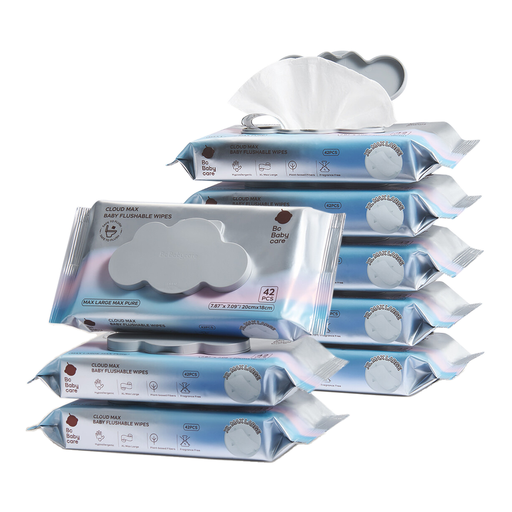
Why This Fits Their Persona: Ideal for families navigating potty training. These wipes provide confidence for both parent and child, offering an effective clean while being safe for UK plumbing systems when used as directed.
It directly counters the "flushable myth" by being IWSFG certified, meaning it's verified to break down safely in sewers. This avoids the risk of costly plumbing issues.
Made from 100% plant-based fibres and is hypoallergenic and fragrance-free. The extra-large size provides better coverage, meaning you use fewer wipes per change.
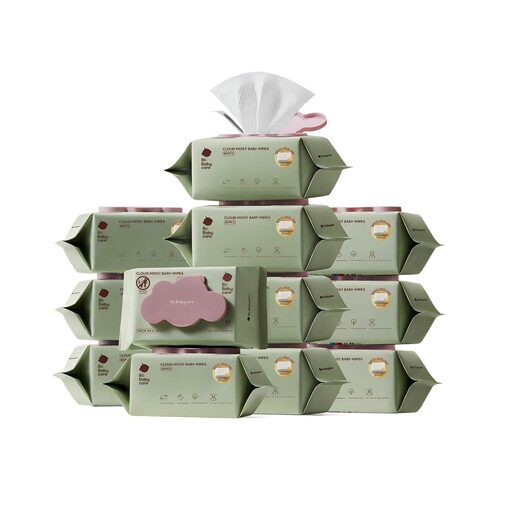
Why This Fits Their Persona: For parents of newborns or anyone with extremely reactive skin. This bulk pack offers excellent value while prioritising safety and gentleness, ensuring you're always stocked up.
It avoids the "sensitive label illusion" with a transparent, 99% purified water formula and OEKO-TEX certification, confirming it's free from a list of harmful substances.
The wipes are unscented, plastic-free and biodegradable. They are also three times thicker than many standard wipes, providing durability and better cleaning with less friction.
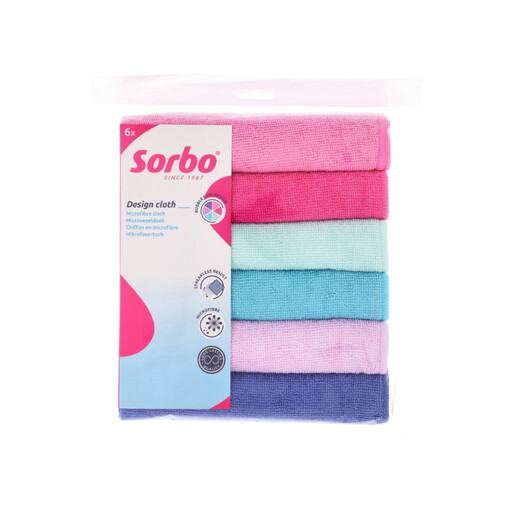
Why This Fits Their Persona: A perfect choice for anyone aiming to reduce household waste. These cloths replace countless disposable wipes for cleaning surfaces, windows and even cars, offering a long-term, sustainable solution.
It completely sidesteps the "vague eco-claims" of disposable products. As a reusable and washable item, its environmental benefit is clear and not dependent on disposal conditions.
Highly absorbent microfibre material cleans effectively with just water, reducing the need for chemical sprays. It is machine washable, durable and highly cost-effective over time.
We have compiled a complete, real-time list of products that fully satisfy these strict selection criteria and UK safety regulations.
No, they are fundamentally different. Biodegradable wipes are designed to be disposed of in a bin, where they will break down over time in landfill or composting conditions. Flushing them can cause serious blockages. Flushable wipes are specifically engineered to disintegrate quickly in water and are safe for sewer systems. To be certain, always look for the official IWSFG certification or the UK's 'Fine to Flush' logo on the packaging.
For truly sensitive skin, it is wise to avoid a few common ingredients. Be cautious of products containing fragrance (parfum), alcohol (often listed as alcohol denat.) and certain preservatives which can be irritating. The most reliable options often have very short ingredient lists where water (aqua) is the primary component.
While it might seem convenient, it is not always the most effective choice. Baby wipes are formulated for gentle surface cleaning but may struggle to break down the oils and polymers found in waterproof mascara and long-wear foundation. Using them for makeup removal might require excessive rubbing, which can irritate the delicate skin around your eyes. Specially formulated makeup remover wipes are designed for this task and will typically perform better with less effort.