
24/7 Customer Support

Free returns

Same-day & Next-day Delivery

Quality Guaranteed

Unlock Your Welcome Offers: FREE Delivery | Up to 80% OFF | Free 30-day JoyPlus trial
Download the APP
Watching your canine companion struggle with digestive upset is a concern for any dog owner. Whether it's loose stools, excessive wind or general discomfort after meals, a sensitive tummy can significantly impact their quality of life. The sheer volume of dog food options can be overwhelming, but choosing the right diet is one of the most effective ways to support your dog's digestive health.
As the Joybuy Product Recommendation Officer, my role is to help you navigate the market. This guide offers practical advice on what to look for in a sensitive stomach dog food and highlights some carefully selected options to help you make an informed choice for your furry friend.
Before diving into specific products, understanding a few key principles can make your search much easier. Here are some factors to consider when choosing a dog food for sensitive tummies UK.
A common approach for managing digestive issues is to simplify the diet. Look for foods that feature a single, high-quality animal protein source, such as lamb, turkey or chicken, listed clearly as the first ingredient. For carbohydrates, easily digestible options like sweet potato or potato can be gentler on some dogs' systems than common grains like wheat or corn. This is why many owners explore natural grain free dog food when trying to pinpoint sensitivities.
The term hypoallergenic dog food isn't legally defined, but it generally refers to recipes formulated to avoid common ingredients known to cause allergic reactions in dogs. These often include beef, dairy, soya, wheat and artificial additives. If you suspect your dog has a food allergy or intolerance, a hypoallergenic formula can be a sensible starting point for an elimination diet, under the guidance of your vet.
Modern dog foods often include beneficial extras to promote digestive wellness. Ingredients like prebiotics (such as chicory root or Fructo-oligosaccharides) help nourish the good bacteria in your dog's gut. You may also see superfood dog food blends that incorporate nutrient-dense ingredients like spinach, blueberries or seaweed, which provide natural vitamins and antioxidants to support overall health.
Here are a few recommendations that feature qualities often sought by owners of dogs with digestive sensitivities.
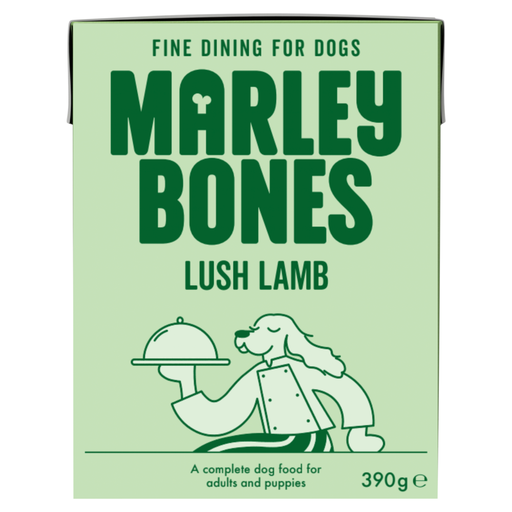
Why It Stands Out: This wet food uses a gentle steam-cooking process designed to preserve the nutrients and flavour of its ingredients. With a high single-protein content of 60% lamb, it provides a rich and simple foundation that can be ideal for dogs with sensitivities.
Pros:
Who is it for?: A great choice for owners looking for a minimally processed, high-moisture wet food that is both convenient and packed with quality ingredients.
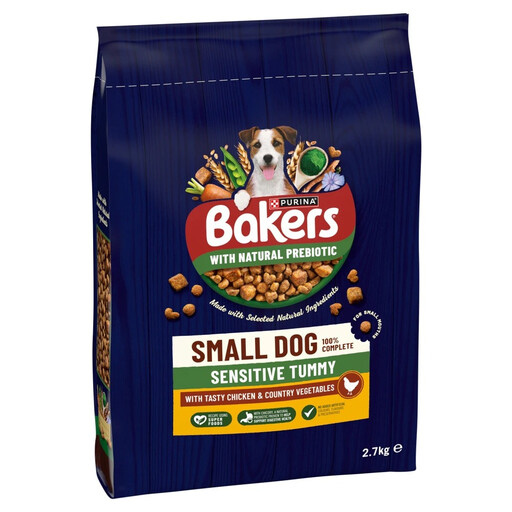
Why It Stands Out: Specifically formulated for the needs of small breed dogs, this food features a small kibble size that is easy for little mouths to manage. The recipe includes selected natural ingredients and superfoods to aid digestion.
Pros:
Who is it for?: Owners of small breed adult dogs who prefer a dry kibble from a well-established brand that is specifically formulated for sensitive digestion.

Why It Stands Out: This hypoallergenic dog food is built around a high percentage of a single animal protein (50% turkey) and uses potato as its primary carbohydrate source, making it a grain-free option. It's explicitly formulated for dogs with sensitive tummies.
Pros:
Who is it for?: A solid option for owners seeking a high-protein, grain-free dry food that is specifically marketed as hypoallergenic and natural.
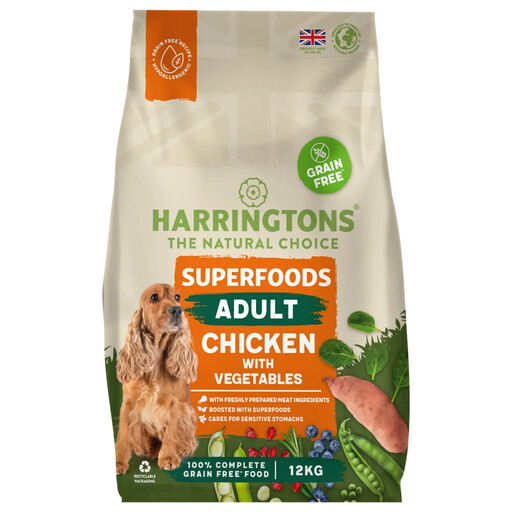
Why It Stands Out: This food combines a grain-free recipe with a blend of six superfoods, including rosemary, spinach and blueberries. With freshly prepared chicken as a key ingredient and a large 12kg bag size, it offers a balanced and economical choice for many households.
Pros:
Who is it for?: Ideal for owners of medium-to-large dogs or multi-dog households looking for a cost-effective, grain-free gentle dog food with added health benefits.
Every dog is an individual, and what works for one may not work for another. If you're still exploring the right fit for your pet's unique needs, you can find a wider selection of formulas designed to support gut health.
Explore our full range of products for dog digestive health to discover more choices.
Common signs include inconsistent or loose stools, excessive wind, occasional vomiting after meals, a lack of appetite or even itchy skin, as gut health and skin condition can be linked. If you notice any of these signs persisting, it is always a good idea to consult your vet to rule out any underlying medical issues.
A gradual transition is crucial to avoid causing further digestive upset. We recommend a 7-10 day transition period. Start by mixing a small amount of the new food (about 25%) with their current food. Gradually increase the proportion of the new food each day until you have completely switched over.
Not necessarily. While some dogs are sensitive to specific grains like wheat or corn, many others digest them without any problems. A sensitivity is often to a particular ingredient, which could be a protein source just as easily as a grain. A natural grain free dog food can be a useful tool for an elimination diet, but the overall quality and digestibility of all the ingredients are what truly matter for finding the best dog food for digestive issues.