
24/7 Customer Support

Free returns

Same-day & Next-day Delivery

Quality Guaranteed

Unlock Your Welcome Offers: FREE Delivery | Up to 80% OFF | Free 30-day JoyPlus trial
Download the APP
Tooth sensitivity, acid wear, staining and cavity concerns often appear together, making a standard supermarket shelf difficult to navigate. A toothpaste may promise whitening, enamel repair or all-day protection, yet the label may not explain which concern it actually prioritises.
For adults and teenagers aged 12 and over, sensitive teeth enamel protection toothpaste should offer a practical balance of sensitivity care, fluoride protection and enamel-friendly cleaning. The following guide explains what to check before buying and matches several options to different daily routines.
Toothpaste cannot rebuild a missing section of enamel. Terms such as repair, strengthening and remineralisation generally refer to helping protect or reharden the tooth surface when minerals are available through saliva and fluoride toothpaste. Deep erosion, cracks, decay or persistent pain require assessment by a dentist.
Look for clear information about the active ingredients rather than relying on the front-of-pack wording alone.
Whitening toothpaste is usually designed to remove surface stains, such as those caused by tea, coffee or red wine. It does not necessarily change the natural colour of the tooth. A highly abrasive-feeling formula or vigorous brushing may be uncomfortable if enamel is already weakened or gums are receding.
For whitening toothpaste for sensitive teeth, choose a product described as gentle or enamel-safe, and use a soft-bristled toothbrush with light pressure.
A 125ml tube may offer better value for a household, while a 20ml tube can be useful for travel or for trying a sensitivity relief toothpaste before committing to a larger size. However, the lowest price is not always the lowest cost if the toothpaste does not suit your symptoms or brushing habits.
Check the tube size, directions, age guidance, ingredients and expiry information before purchasing.
For most adults and teenagers aged 12 and over, a daily fluoride toothpaste containing around 1,350–1,500 parts per million (ppm) fluoride is a useful benchmark for routine cavity protection. Several products in this selection list 1,450 ppm fluoride, although the exact active ingredients differ.
Fluoride helps support remineralisation of the tooth surface and protects against cavities when combined with twice-daily brushing and a balanced diet. Spit after brushing rather than rinsing thoroughly with water, unless your dental professional advises otherwise.
Common ingredients in toothpaste for sensitive teeth include:
Check the ingredient panel rather than assuming every enamel strengthening toothpaste works in the same way. If a product causes irritation, stop using it and seek dental advice if symptoms continue.
Dietary acids from fizzy drinks, fruit juices, sports drinks and some foods can soften the tooth surface temporarily. Brushing immediately after an acidic drink or meal may be uncomfortable and can increase mechanical wear. Waiting for a period before brushing, rinsing with water and reducing frequent acidic drinks can support an acid wear protection toothpaste routine.
A toothpaste labelled for gentle whitening may suit users who want stain removal without selecting a highly abrasive-feeling product. Those with gum concerns may prefer a formula that also focuses on plaque removal along the gumline.
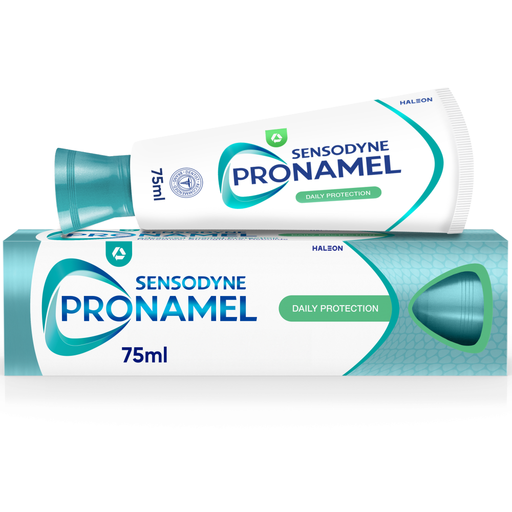
Why This Fits Their Persona: A straightforward 75ml option for shoppers seeking daily sensitivity care, enamel protection and a mint flavour without adding a separate specialist product to the bathroom shelf.
It lists potassium nitrate and sodium fluoride, helping shoppers identify the intended sensitivity and fluoride functions rather than relying only on “repair” wording.
Contains 1,450 ppm fluoride and 5% potassium nitrate according to the supplied product information; designed for twice-daily use.
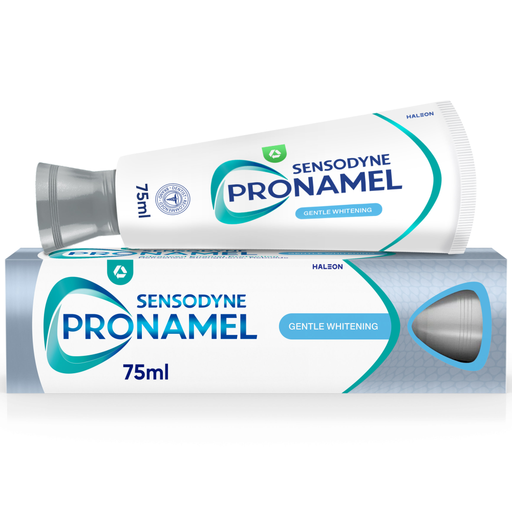
Why This Fits Their Persona: Suitable for people balancing sensitivity and visible surface staining from regular tea or coffee drinking in the UK.
Its positioning is gentle whitening rather than a promise to change natural tooth colour, making the surface-stain limitation clearer.
Lists 5% potassium nitrate and 0.115% fluoride ion from sodium fluoride; intended to help protect against acid wear and remove surface stains gently.
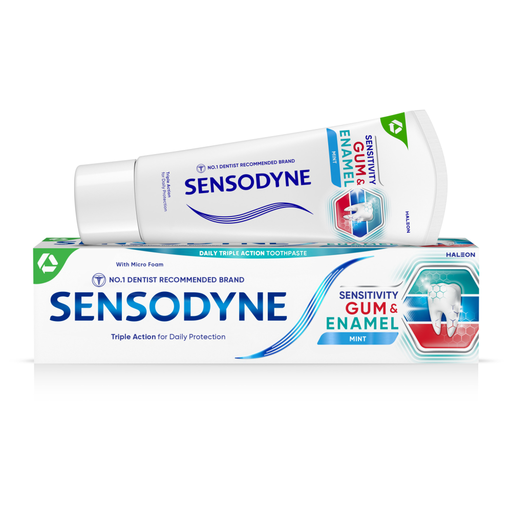
Why This Fits Their Persona: A practical match for users who want sensitivity relief alongside gumline plaque care and enamel support in one daily oral care toothpaste.
It addresses more than whitening, with listed fluoride ingredients and a micro-foam description aimed at cleaning around the gumline.
Contains stannous fluoride and sodium fluoride; combines sensitivity, enamel and gum-care features in a 75ml tube.
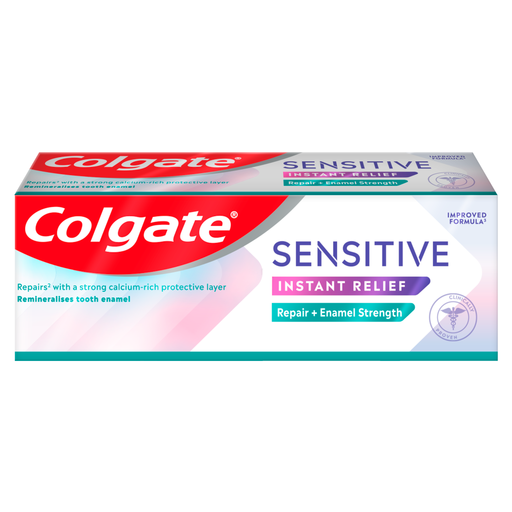
Why This Fits Their Persona: The compact 20ml format suits holidays, gym bags or shoppers who want to trial a sensitivity-focused formula before buying a larger tube.
The smaller size reduces the risk of being left with a full tube if the texture or flavour does not suit your routine.
Lists 8% arginine and sodium monofluorophosphate; designed around sensitive areas and enamel support.
We have compiled a complete, real-time list of products that fully satisfy these strict selection criteria and UK safety regulations.
Many specialist formulas are designed for twice-daily use, provided you follow the label directions. Select a product containing fluoride and a sensitivity ingredient that matches your needs. Stop use if irritation develops.
Some users may notice comfort changes quickly, while others need consistent twice-daily brushing. Results depend on the cause of sensitivity and how the toothpaste is used. If symptoms persist, worsen or occur with swelling, arrange a dental appointment.
It can support routine fluoride protection and remineralisation, but it cannot cancel out frequent acid exposure. Reduce how often acidic drinks are consumed, avoid sipping them over long periods and ask a dentist for personalised advice if you suspect enamel erosion.