
24/7 Customer Support

Free returns

Same-day & Next-day Delivery

Quality Guaranteed

Unlock Your Welcome Offers: FREE Delivery | Up to 80% OFF | Free 30-day JoyPlus trial
Download the APP
Tooth sensitivity can make ordinary routines uncomfortable, from drinking a hot cup of tea to eating ice cream. Choosing a suitable sensitive teeth toothpaste may help support daily comfort, but the shelves are crowded with products promising rapid relief, whitening and complete gum protection.
The challenge is separating useful specifications from persuasive packaging. A toothpaste that suits occasional sensitivity may not be the right choice for enamel wear, staining, bad breath or bleeding gums. Before buying, check the active ingredients, fluoride level and intended use rather than relying on phrases such as “advanced”, “repair” or “instant”.
Toothpaste for sensitive teeth may use different active ingredients. Potassium nitrate is commonly included for ongoing sensitivity care, while stannous fluoride, NovaMin or arginine-based formulas are used in other products to support protection over exposed or vulnerable areas.
These ingredients are not interchangeable in terms of formulation or brushing instructions. Read the label to see what the product is designed to do and whether it is intended for daily use or targeted application.
Whitening toothpaste for sensitive teeth generally works by removing surface stains. It cannot change the natural colour of teeth in the same way as professional whitening. Abrasive particles can also be unsuitable if you already have enamel erosion, gum recession or discomfort when brushing.
Look for wording such as gentle whitening, and avoid brushing harder to increase the effect. A soft-bristle toothbrush and light pressure are more appropriate for daily sensitivity care.
Bleeding when brushing may be linked to plaque accumulation or gum irritation, but persistent bleeding should not be managed solely by switching toothpaste. A gum health toothpaste can support a regular oral-care routine, yet it is not a substitute for a dental assessment.
Sensitivity accompanied by swelling, facial pain, severe discomfort or symptoms that persist should be discussed with a dentist.
For most adults and people aged 12 and over, a standard 1,350–1,500 parts per million (ppm) fluoride toothpaste is a practical benchmark for everyday cavity protection. Several products in this selection contain 1,450 ppm fluoride, including sodium fluoride or combinations of fluoride ingredients.
Always check the current packaging, particularly if you use additional fluoride products or are buying for someone with specific dental advice. Minimise swallowing and spit after brushing.
For ongoing tooth sensitivity relief toothpaste, check whether the formula contains:
The ingredient list provides more useful information than a large claim on the front of the tube. Follow the specific directions, as some products may also be applied directly to a sensitive tooth for a short period before brushing.
If your main concern is acid wear, choose an enamel protection toothpaste with fluoride and a formula aimed at everyday enamel care. For staining, select a gentle whitening option rather than a highly abrasive product. If gum problems or unpleasant breath are your priority, look for a toothpaste that specifically lists gum and odour care.
A fresh mint toothpaste can make twice-daily brushing more pleasant, but flavour is a preference rather than evidence of improved cleaning.
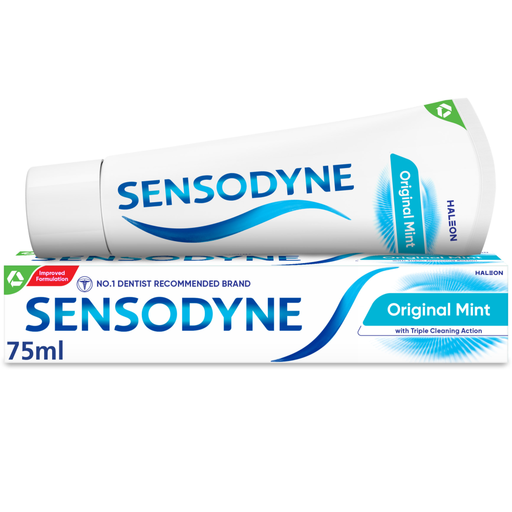
Why This Fits Their Persona: A straightforward option for adults and children aged 12 and over who want one fluoride toothpaste for regular morning and evening brushing.
It prioritises daily sensitivity care rather than adding an aggressive whitening promise that may not suit uncomfortable teeth.
Contains potassium nitrate and 1,450 ppm sodium fluoride; has an original mint flavour.
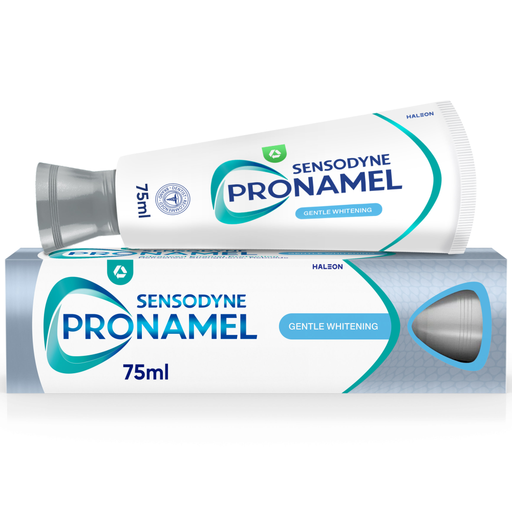
Why This Fits Their Persona: Suits shoppers balancing sensitivity with concerns about acid exposure, enamel wear and surface staining from tea or coffee.
Its description focuses on enamel care and gentle stain removal, rather than suggesting that toothpaste can replace professional whitening.
Contains potassium nitrate and 1,450 ppm fluoride; designed for gentle whitening and acid-wear care.
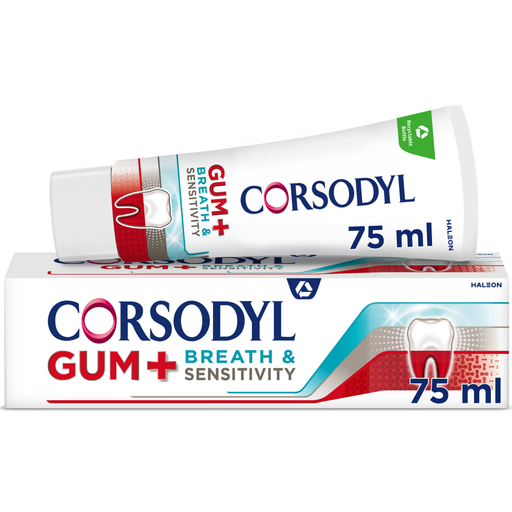
Why This Fits Their Persona: A practical match for shoppers managing sensitivity alongside gum concerns and breath freshness in one twice-daily routine.
It clearly combines gum, breath and sensitivity care, helping avoid buying separate products before checking whether one formula meets the routine.
Lists stannous fluoride, sodium fluoride and 1,450 ppm fluoride; includes peppermint and sweet spearmint flavouring.
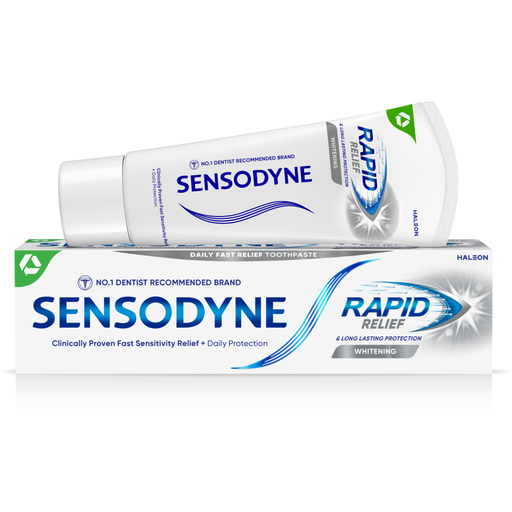
Why This Fits Their Persona: Suits people who want a whitening-sensitive toothpaste and the option to follow targeted application directions for a particular sensitive area.
The product directions distinguish normal brushing from targeted use, making the rapid sensitivity relief feature clearer than a vague front-of-pack promise.
Contains stannous fluoride and sodium fluoride with 1,450 ppm fluoride; includes surface-stain removal features.
We have compiled a complete, real-time list of products that fully satisfy these strict selection criteria and UK safety regulations.
The time varies by formula and the cause of sensitivity. Some products are designed for targeted or rapid sensitivity relief, while daily formulas are intended to build protection through consistent twice-daily brushing. If discomfort continues, worsens or is accompanied by swelling, arrange a dental appointment rather than repeatedly changing toothpaste.
Yes, some formulas are specifically labelled for sensitive teeth and gentle whitening. They generally target surface stains rather than changing the underlying tooth colour. Choose a product with fluoride, brush softly and stop using it if irritation develops.
Several products listed here are intended for adults and children aged 12 and over. Always check the individual packaging before use. Products should not be swallowed, and children under the stated age should only use specialist formulas when advised by a dentist or doctor.