
24/7 Customer Support

Free returns

Same-day & Next-day Delivery

Quality Guaranteed

Unlock Your Welcome Offers: FREE Delivery | Up to 80% OFF | Free 30-day JoyPlus trial
Download the APP
Choosing a sensitive skin facial cleanser can be surprisingly difficult. A product may promise hydration and comfort, yet still leave your face tight, stinging or unusually dry after washing. Others may appear suitable for reactive skin but contain fragrance or a strong cleansing system that does not suit your routine.
For UK shoppers, the most useful approach is to look beyond front-label claims and check the formula, intended skin type, size and directions for use.
The word “sensitive” on packaging is not a guarantee that every ingredient will suit reactive skin. Some products marketed for delicate complexions may still contain parfum, essential oils or fragrance allergens, including limonene and linalool.
If your skin reacts easily, compare the full ingredient list and consider a fragrance-free cleanser. However, fragrance-free does not automatically mean irritation-free: individual sensitivities vary, so a small patch test can be sensible before applying a new product across your face.
A face wash that produces a large amount of foam is not necessarily cleaning more effectively. Over-cleansing, hot water and vigorous rubbing can contribute to dryness and discomfort. A soap-free facial cleanser or low-foam cream and gel formula may be more suitable if your skin feels tight immediately after rinsing.
The right result is clean, comfortable skin rather than a squeaky or stretched sensation.
Oat, ceramides, amino acids, niacinamide and hyaluronic acid can sound appealing, but the overall formula matters more than a single highlighted ingredient. Check whether the cleanser is suitable for your skin type, whether it contains fragrance, how it should be rinsed and whether the pack size represents good value for your usage.
A simple daily facial cleanser with glycerin and a mild cleansing base may be more practical than a complicated formula that does not suit your skin.
Look for wording such as soap-free, pH-balanced, low-irritation or suitable for dry and sensitive skin. Surfactants are the ingredients that lift oil and dirt from the skin. Different surfactant systems can feel different, so the label’s intended use and your after-wash experience are both important.
If you need a cleanser for dry skin, creamy non-foaming formulas can help reduce the sensation of tightness. Gel and lightly foaming products may suit combination or oilier skin, provided they do not leave the face uncomfortable.
Useful ingredients to compare include:
These ingredients can support a more moisturising cleansing experience, but a cleanser is a rinse-off product. It should not replace a leave-on moisturiser when skin feels dry.
A 50ml tube may be convenient for travel, while 150ml to 250ml bottles are generally more practical for regular morning and evening use. Check the product’s directions rather than assuming twice-daily use is necessary; some very dry or reactive skin may feel more comfortable with a water rinse in the morning and cleanser in the evening.
For a non-comedogenic face wash, look for that specific product description, but remember that non-comedogenic labelling cannot guarantee that every user will avoid blemishes. Always check the latest ingredients printed on the packaging, as formulations can change.
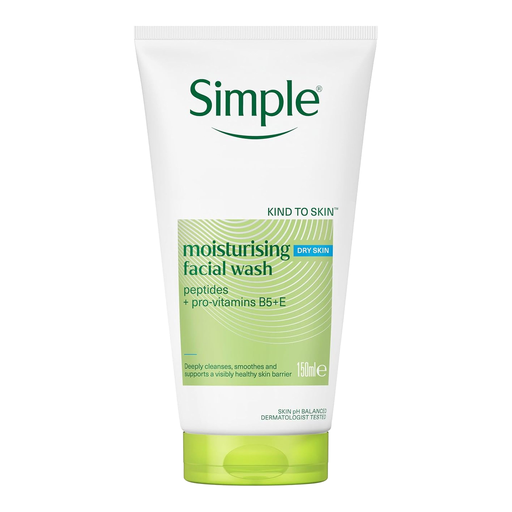
Why This Fits Their Persona: A practical starting point for shoppers wanting a familiar-sized moisturising facial wash for everyday cleansing at home or in a shared bathroom.
The listed formula is described as pH-balanced and soap-free, with no artificial perfume or colourants. Check the current pack ingredients before purchase.
150ml size; includes glycerin, panthenol and vitamin E in the listed ingredients.
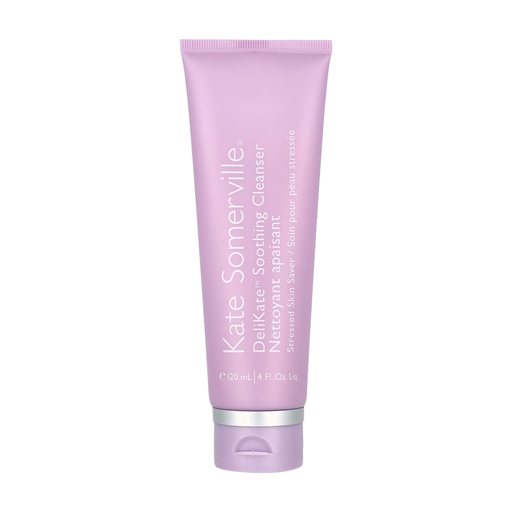
Why This Fits Their Persona: Suits shoppers seeking a richer cream texture and a fragrance-free option for a more considered sensitive-skin routine.
The product information identifies a fragrance-free, sulphate-free cream formula, helping shoppers avoid two commonly screened-out features.
Contains ceramides and peptides according to the listing; 120ml format.
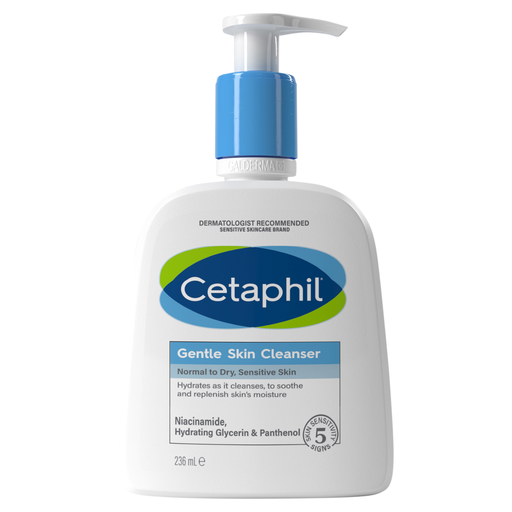
Why This Fits Their Persona: A larger option for frequent users who want a gentle cleanser for normal-to-dry sensitive skin and flexible use at the sink.
Its non-foaming, fragrance-free and soap-free description is clear, while the instructions allow use with or without water.
236ml size; listed ingredients include glycerin, panthenol and niacinamide.
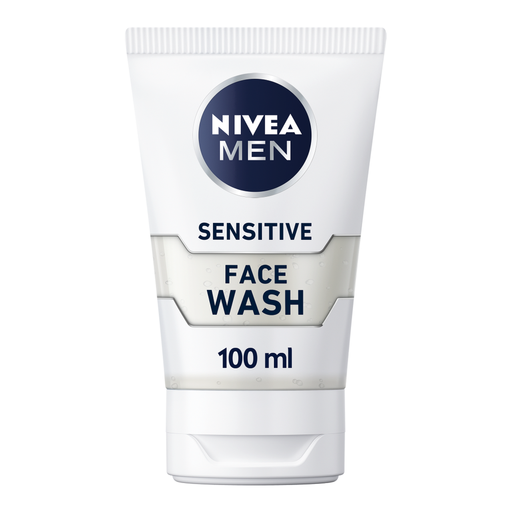
Why This Fits Their Persona: A compact, straightforward face wash for men who want a quick morning and evening cleansing step.
The listing identifies the product as free from alcohol, parabens and artificial colourants. It does contain parfum, limonene and linalool, so fragrance-sensitive shoppers should take care.
100ml size; includes glycerin, panthenol, chamomile and liquorice root extract in the listed ingredients.
We have compiled a complete, real-time list of products that fully satisfy these strict selection criteria and UK safety regulations.
For make-up or water-resistant sunscreen, check whether the cleanser is designed to remove these products. A gentle face cleanser may need to be paired with a separate first cleansing step rather than being rubbed repeatedly.
Prioritise a fragrance-free cleanser, soap-free or mild cleansing base, and ingredients such as glycerin or panthenol. If your skin is very dry, a cream or non-foaming hydrating cleanser may feel more comfortable than a strongly foaming wash. Always check the latest packaging and stop using a product if irritation develops.
Many products are labelled for daily use, but frequency depends on your skin and the rest of your routine. Morning and evening cleansing may suit some people, while others may prefer cleanser once daily and a water rinse at the other time. Avoid using hot water or rubbing vigorously, as technique can affect comfort as much as the formula.
It depends on the amount used and how often you wash. Using one or two pumps, or a small coin-sized amount where appropriate, usually makes a 200ml product suitable for regular use over several weeks or longer. Follow the product’s storage and post-opening guidance, and review the printed batch and shelf-life information before use.