
24/7 Customer Support

Free returns

Same-day & Next-day Delivery

Quality Guaranteed

Unlock Your Welcome Offers: FREE Delivery | Up to 80% OFF | Free 30-day JoyPlus trial
Download the APP
Sharp discomfort from cold drinks, hot food or brushing can make a simple oral-care purchase surprisingly difficult. Shelves are filled with products promising enamel repair, instant sensitivity relief, gum protection and whitening, but these benefits are not interchangeable.
The right sensitive teeth toothpaste should match the cause of your discomfort and your wider oral-care priorities. Here is how to compare formulas without paying for features you are unlikely to use.
A whitening toothpaste may help lift surface stains from tea, coffee or red wine, but it does not change the natural colour of dentine or replace lost enamel. Some whitening formulas may also feel unsuitable if your teeth are already reactive.
If whitening matters, look for wording such as “gently removes surface stains” rather than expecting dramatic shade changes. A toothpaste for sensitive teeth should still contain an appropriate fluoride level and a sensitivity-focused ingredient.
Some products are designed to provide a quick, noticeable reduction in discomfort when applied directly to a sensitive area. This is different from the protection developed through regular twice-daily brushing.
For example, formulas based on arginine may be designed to block pathways in exposed dentine, while potassium nitrate is commonly used in sensitivity relief toothpaste to help calm the response of exposed tooth nerves. Always check whether the product directions allow direct fingertip application or only normal brushing.
Bleeding, swollen or persistently sore gums should not be dismissed as a toothpaste-selection issue. A gum care toothpaste can support plaque removal and daily cleaning, but it cannot replace an assessment by a dentist or dental hygienist.
A product that mentions plaque bacteria, gumline cleaning or bad-breath control may suit routine care. However, worsening symptoms, facial swelling or ongoing bleeding require professional advice.
For most adults, a daily fluoride toothpaste is an important part of cavity protection. Many of the products in this guide contain 1,450 parts per million (ppm) fluoride, supplied through ingredients such as sodium fluoride, stannous fluoride or sodium monofluorophosphate.
Check the packaging rather than relying on the front-of-pack wording. The fluoride source and concentration can differ between products, particularly between adult and children’s formulas. Do not swallow toothpaste, and follow the age guidance on the label.
Different formulas approach sensitivity in different ways:
These ingredients are not a reason to ignore persistent pain. Sensitivity may be linked to decay, a cracked tooth, gum recession or another dental issue.
Choose the feature you will use consistently:
Also check flavour, foaming agents and the full ingredients list if you have previously experienced irritation.
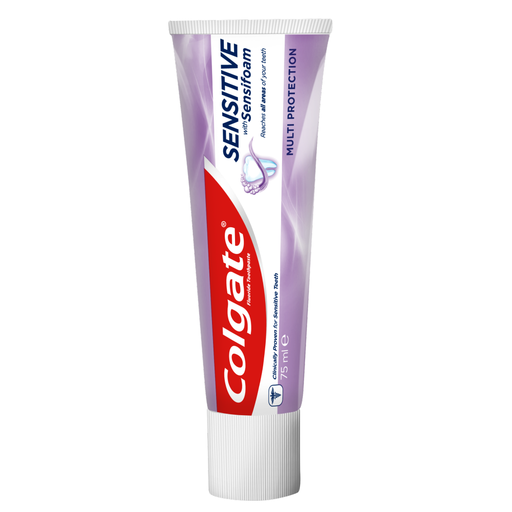
Why This Fits Their Persona: A practical daily option for shoppers who want sensitivity care alongside cavity, plaque, tartar and fresh-breath support in one 75ml tube.
Its listed total fluoride content is 1,450 ppm, so buyers can check a clear cavity-protection specification rather than relying only on broad multi-action wording.
Contains potassium nitrate and sodium fluoride; Sensifoam technology is listed as part of the formula.
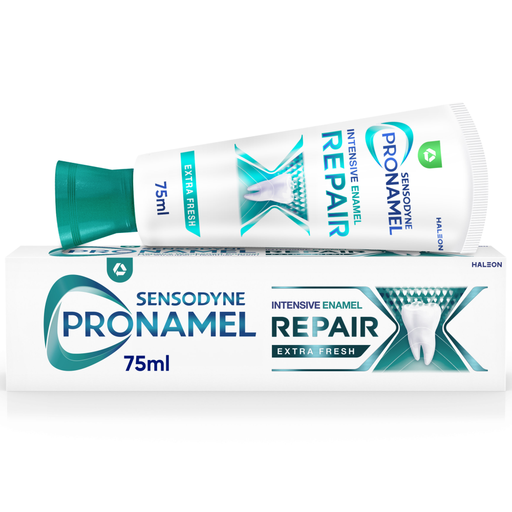
Why This Fits Their Persona: Suits adults who prioritise enamel care, dietary-acid protection and a particularly fresh brushing experience as part of a consistent routine.
The listed formula specifies sodium fluoride at 1,450 ppm and potassium nitrate, helping shoppers verify enamel and sensitivity priorities from the ingredients.
Designed for acid-weakened enamel care; extra-fresh mint flavour and recyclable packaging are listed product features.
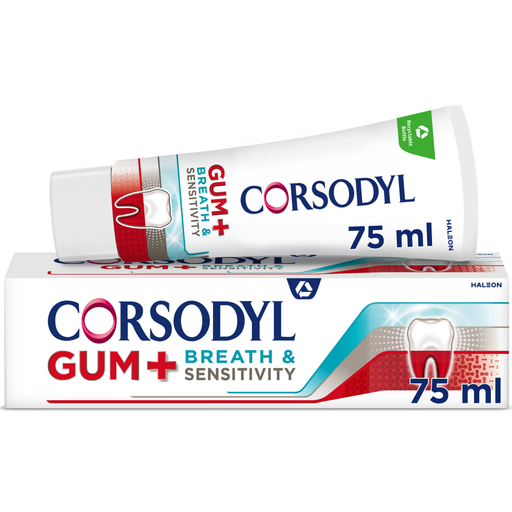
Why This Fits Their Persona: A focused choice for adults managing sensitive teeth alongside gumline plaque and breath concerns in one daily routine.
It is not positioned only as a sensitivity product: the listed Pro-Neutra technology targets plaque bacteria between teeth and the formula includes stannous and sodium fluoride.
Peppermint and sweet spearmint flavour; 75ml tube designed for twice-daily brushing.
Use a soft-bristled toothbrush, a pea-sized amount and gentle pressure. Brush for around two minutes twice daily, covering the gumline and all tooth surfaces. Scrubbing harder will not compensate for poor technique and may make the gumline feel more uncomfortable.
Some products advise spitting without immediately rinsing, while others provide different directions. Follow the instructions printed on the tube. Replace the cap after use and store toothpaste in a cool, dry place. Check the packaging for current ingredients, fluoride information, shelf life and age guidance, as formulations can change.
If your priority is enamel care or product comparison, browse the wider repair toothpaste range before choosing a tube.
We have compiled a complete, real-time list of products that fully satisfy these strict selection criteria and UK safety regulations.
Some formulas are designed for a quick reduction in discomfort, while others require consistent twice-daily use. Follow the product directions and allow several weeks for routine sensitivity care. If symptoms remain, worsen or become localised to one tooth, arrange a dental appointment.
Yes, some products combine sensitivity support with gentle surface-stain removal. Choose a formula specifically labelled for sensitive teeth and avoid treating whitening claims as enamel restoration. Reduce use if discomfort or irritation develops.
Not always. Many adult formulas advise against use by children under 12 unless recommended by a dentist or doctor, while other products have different age guidance. Check the label for each household member and supervise children to minimise swallowing.