
24/7 Customer Support

Free returns

Same-day & Next-day Delivery

Quality Guaranteed

Unlock Your Welcome Offers: FREE Delivery | Up to 80% OFF | Free 30-day JoyPlus trial
Download the APP
Dealing with dark spots, whether they are lingering reminders of past blemishes, the result of sun exposure or simply an uneven skin tone, can be a frustrating journey. The market is saturated with brightening serums promising a flawless complexion, but many UK shoppers find themselves disappointed after spending their hard-earned money on products that fail to deliver.
As a Joybuy Product Recommendation Officer, my role is to help you navigate the clutter. Before you add another bottle to your basket, let’s look at the common pitfalls that lead to ineffective purchases and what you should really be looking for in a serum for dark spots.
To choose a truly effective brightening serum, it helps to understand the key players and how they work. A well-formulated product will often contain a blend of ingredients that target hyperpigmentation from different angles.
An excellent formula is only as good as its packaging. Because many brightening actives are sensitive to degradation, how a serum is bottled is a critical, non-negotiable factor.
Look for serums housed in opaque or dark-coloured glass bottles that protect the contents from light. Even better are products that use an airless pump dispenser. This mechanism prevents the formula from being repeatedly exposed to oxygen, which is a primary cause of oxidation and potency loss, especially for a face serum for glow that relies on delicate actives.
Matching the right product to your specific needs and skin type is crucial. Here are a few recommendations from our catalogue, selected to suit different user profiles.
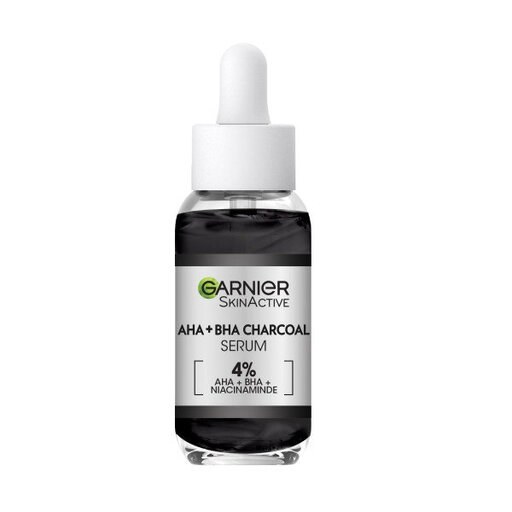
Why This Fits Their Persona: Ideal for those new to targeted serums who want an affordable, multi-action product. It's particularly suited for UK residents with combination or oily skin who are dealing with post-blemish marks and uneven texture.
It avoids the single-ingredient trap by combining 4% AHA + BHA with Niacinamide, offering a comprehensive approach that exfoliates surface discolouration while also targeting the pigmentation pathway.
This serum simultaneously exfoliates, purifies with charcoal and brightens with niacinamide, making it a great all-in-one for blemish-prone skin.
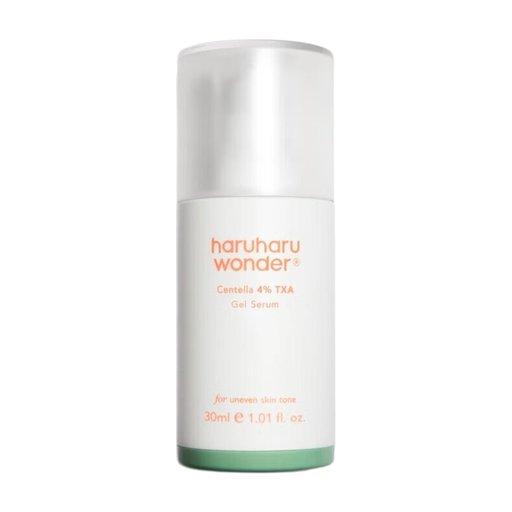
Why This Fits Their Persona: For the skincare-savvy individual looking for a potent Korean serum for pigmentation. This user understands active ingredients and wants a targeted, high-concentration formula to tackle stubborn sun spots or post-inflammatory hyperpigmentation.
It avoids the unstable formula trap by using an airless pump, which protects the potent actives from oxidation. It also combines multiple powerful ingredients rather than relying on just one.
A powerful combination of 4% Tranexamic Acid and 4% Niacinamide works synergistically to inhibit and block melanin, while Centella Complex soothes inflammation.
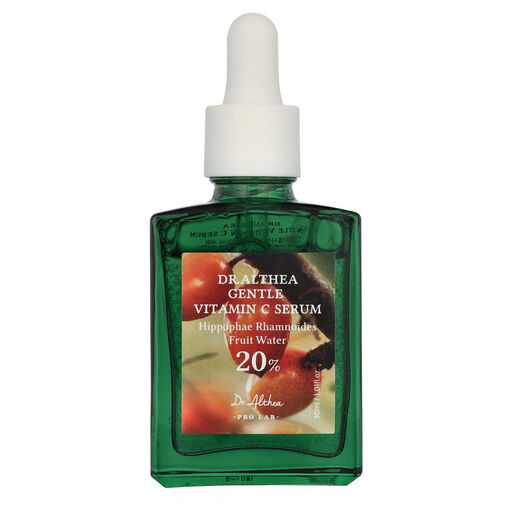
Why This Fits Their Persona: Perfect for those who have found traditional Vitamin C serums too harsh or are new to the ingredient. This user wants to brighten their skin and tackle dullness without risking the redness and irritation that can come with stronger actives.
It sidesteps the unstable formula trap by using a stable Vitamin C derivative (3-O-Ethyl Ascorbic Acid) and antioxidant-rich Sea Buckthorn extract, ensuring gentle but consistent brightening action.
The minimalist formula with soothing Green Tea Leaf Water and a unique oil-capsule system delivers hydration and brightening benefits without overwhelming sensitive skin.
We have compiled a complete, real-time list of products that fully satisfy these strict selection criteria and UK safety regulations.
Patience and consistency are key. While some serums may offer an initial glow within a few days, visible reduction in dark spots typically takes between 8 to 12 weeks of consistent, daily use. The process involves both preventing new pigment and waiting for the existing pigmented cells to shed.
Most serums for dark spots, especially those focused on ingredients like Niacinamide, Vitamin C derivatives or Tranexamic Acid, are designed for once or twice daily use. However, if your serum contains a high concentration of exfoliating acids (AHAs/BHAs), you may want to start with 2-3 times per week and see how your skin tolerates it. Always follow the product's specific instructions.
Yes, absolutely. This is non-negotiable. Sun exposure is a primary cause of hyperpigmentation and will counteract any progress you make with your serum. Furthermore, many brightening ingredients, including Vitamin C and exfoliating acids, can make your skin more sensitive to the sun. Using a broad-spectrum sunscreen with at least SPF 30 every single day is essential to protect your skin and your results.