
24/7 Customer Support

Free returns

Same-day & Next-day Delivery

Quality Guaranteed

Unlock Your Welcome Offers: FREE Delivery | Up to 80% OFF | Free 30-day JoyPlus trial
Download the APP
A serum foundation can offer more than conventional complexion coverage, but the “skincare-meets-makeup” label does not automatically make every formula suitable for your skin. The right choice depends on coverage, finish, ingredients, shade accuracy and how you expect it to perform during a typical UK day.
Whether you want a tinted serum foundation for a natural look or a full-coverage foundation for dark spots and blemishes, understanding the product details can help you avoid an expensive mismatch.
Ingredients such as hyaluronic acid, glycerin and niacinamide can support a more comfortable, hydrated feel, but a foundation should not replace a dedicated moisturiser or treatment product. Makeup formulas are primarily designed for complexion coverage, and the quantity applied may not deliver the same function as a standalone skincare product.
Look for clearly listed ingredients, then consider whether the formula suits your existing routine. If your skin is reactive, check the complete ingredient list on the packaging and patch test before applying it across your face.
An SPF foundation can provide an additional layer of protection, but it should not be treated as your only sun-care product. Coverage is often applied unevenly and in a smaller quantity than sunscreen. Apply a separate broad-spectrum sunscreen where appropriate, particularly during prolonged outdoor exposure.
Check both the SPF rating and the product directions. SPF 15 or SPF 20 may be useful as supplementary protection, while SPF 30 offers a higher labelled level, but neither removes the need for sensible sun-protection habits.
Some serum foundations are lightweight and sheer, while others provide buildable coverage foundation performance that can be layered towards medium or full coverage. Always check the stated coverage level rather than relying on the product name.
A sheer formula may allow freckles and natural texture to show through, but it may not conceal pronounced redness or blemishes. Conversely, a high-pigment formula can look heavy if too much is applied or if the skin has not been moisturised properly.
Choose coverage according to your daily needs:
Finish also affects comfort and wear. A satin or radiant finish may suit dry skin, while a satin-matte or matte finish can be more comfortable for combination or oily areas. If you have dry patches, a very matte oil-free foundation may emphasise texture without sufficient skin preparation.
For a hydrating foundation, look for humectants such as glycerin, sodium hyaluronate or hyaluronic acid. Silicone-based ingredients may help create a smooth, even application and a softer-looking finish.
For combination or oily skin, consider oil-free formulas, silica and stated sweat or humidity resistance. For sensitive skin, fragrance-free options can be worth prioritising. However, “suitable for sensitive skin” is not a guarantee that every individual will tolerate a product. Ingredient lists can change, so check the packaging supplied with your order.
Salicylic acid and vitamin C appear in some serum-foundation formulas. These are useful points to compare, but cosmetic claims about improving bare skin should be understood as brand-provided information rather than a medical promise.
Shade names such as Ivory, Linen, Honey, Sand, Golden and Ebony do not follow a universal system. A shade described as “neutral” by one brand may appear warmer or cooler than a similar shade elsewhere.
Before ordering, compare:
Apply a small amount along the jawline rather than the hand when checking a shade. For an online purchase, product images and shade descriptions are helpful, but lighting and screen settings can affect colour perception.
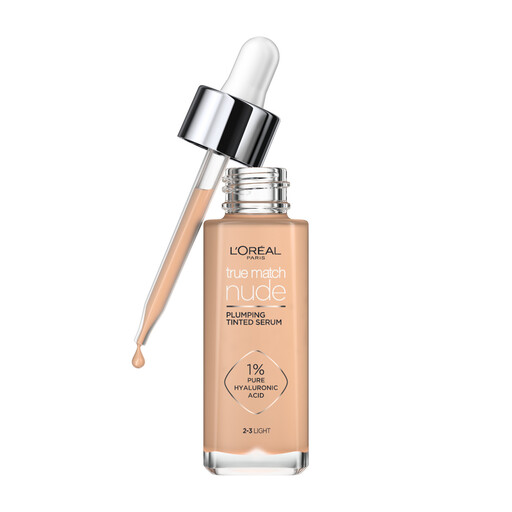
Why This Fits Their Persona: A straightforward option for shoppers wanting a lightweight, luminous base for everyday errands, commuting and casual wear in the UK.
Its product description clearly states nude coverage, helping set realistic expectations instead of suggesting full concealment.
Contains 1% hyaluronic acid and comes in a fluid formula designed for a natural-looking finish.
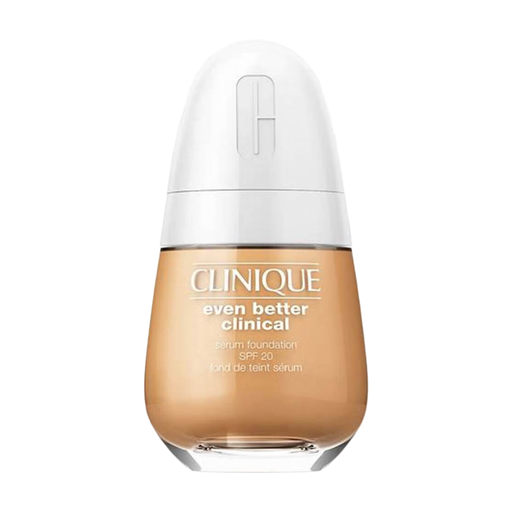
Why This Fits Their Persona: Suitable for shoppers seeking a polished base with higher coverage, a satin-matte finish and skincare-focused ingredients.
The listed medium-to-full buildable coverage and half-pump application guidance make it easier to control product quantity and avoid a heavy finish.
Oil-free liquid formula with vitamin C, salicylic acid, hyaluronic acid and SPF 20.
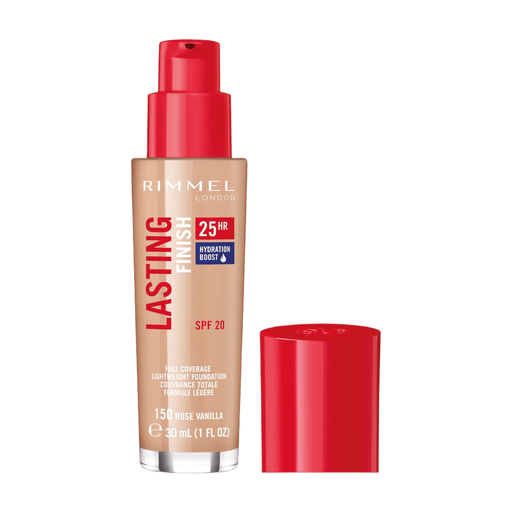
Why This Fits Their Persona: A practical match for long shifts, social events and days when you want a foundation designed around extended wear.
The product information specifies buildable coverage and resistance to water and transfer, rather than offering only vague long-wear wording.
Includes hyaluronic acid, vitamin E, SPF 20 and a coverage range that can be adjusted in thin layers.
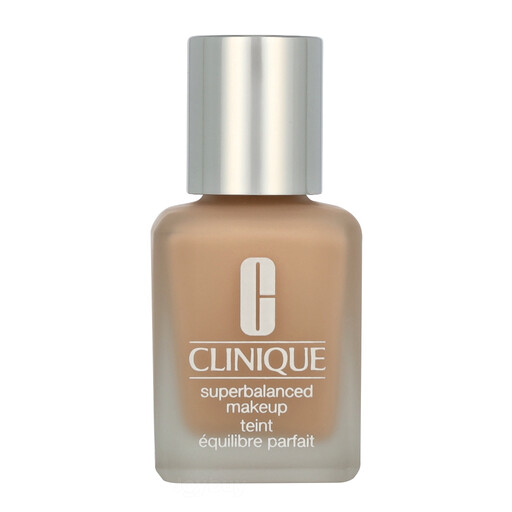
Why This Fits Their Persona: Designed for people managing a dry-feeling cheek area alongside a shinier T-zone, whether working indoors or travelling between changing weather conditions.
Its description identifies adaptive moisture control and an oil-free formula, giving clearer guidance than a generic “for all skin types” label.
Moderate, buildable coverage, natural finish and a formula listed as fragrance-free and oil-free.
For longer wear, choose a compatible primer and lightly set oilier areas with powder. Avoid adding too many silicone-rich or heavily moisturising layers if your foundation pills during application.
We have compiled a complete, real-time list of products that fully satisfy these strict selection criteria and UK safety regulations.
It can be, provided you select an oil-free foundation with a satin-matte or natural finish and build coverage gradually. Products containing silica or described as sweat-resistant may help manage shine, but performance varies by skin preparation, weather and activity.
Follow the open-jar symbol and storage guidance on the packaging. Keep the bottle tightly closed, away from direct sunlight and excessive heat, and avoid touching applicators directly to the skin. Changes in smell, colour, texture or performance indicate that the product should no longer be used.
No. It can contain ingredients associated with hydration or skin-conditioning, but it remains a makeup product. Cleanse, moisturise and apply suitable sunscreen separately. If irritation occurs, stop using the product and check the manufacturer’s latest ingredient information.