
24/7 Customer Support

Free returns

Same-day & Next-day Delivery

Quality Guaranteed

Unlock Your Welcome Offers: FREE Delivery | Up to 80% OFF | Free 30-day JoyPlus trial
Download the APP
Choosing serving trays can seem straightforward until a tray arrives too small for a family buffet, becomes difficult to clean or looks attractive but is unsuitable for food. UK households, hosts, parents and catering professionals often need different features, so the right choice depends on how you plan to use it.
This guide explains the practical details worth checking before buying, from compartments and dimensions to materials, cleaning requirements and safe handling.
Decorative trays can add structure to a coffee table or sideboard, but not every decorative tray is intended for food. Some are designed for indoor display only and may require dry-cloth cleaning rather than washing. Check the product description carefully before using one for drinks, snacks or hot dishes.
A tray’s external measurements do not always show its usable serving area. Raised edges, handles and deep rims reduce the space available for plates and food. For parties, measure the table or buffet area first, then consider whether the tray needs to hold individual bowls, bottles, sandwiches or larger dishes.
Stainless steel, porcelain, wood, iron and aluminium foil each require different maintenance. A dishwasher-safe porcelain or metal tray may suit frequent entertaining, while acacia and paulownia wood generally need gentler care. “Reusable” does not automatically mean suitable for soaking, abrasive cleaning or repeated high-heat use.
304 stainless steel is a practical option for divided dinner trays, snack trays and everyday tableware. It is resistant to shattering and is commonly selected for family dining, camping and catering settings. Look for clear information about the grade, finish and cleaning instructions. The PURECOOK tray is listed as 304 stainless steel and has five separate sections.
Porcelain offers a traditional tableware appearance and can be suitable for entertaining when dishwasher compatibility is specified. It is heavier and more vulnerable to impact than metal, so consider storage and handling, particularly at children’s parties.
Wooden serving trays, including acacia wood serving dishes and paulownia designs, provide warmth and natural grain variation. They are often lightweight, but usually should not be soaked or placed in a dishwasher unless the product specifically permits it.
Foil platters are useful for large gatherings and catering because they are lightweight and nest for storage. Check whether the construction is intended for reuse and follow local guidance when recycling aluminium products.
Divided serving trays and compartment serving dishes help keep dips, fruit, crisps and appetisers separate. They can also support tidy portioning for family meals, packed lunches or children’s snacks. However, five sections may be more practical for a complete meal than for a small drinks service, while a three- or four-section design may suit nibbles and condiments.
Raised dividers should be tall enough to prevent sauces and small foods from moving between sections. Rounded edges can also make carrying easier and reduce spills.
Compare the full dimensions in centimetres or millimetres rather than relying on labels such as “large” or “party size”. A 14-inch foil platter measures approximately 348 × 248 × 26 mm, while a 22-inch model measures approximately 558.8 × 362 × 28 mm.
For regular use, consider:
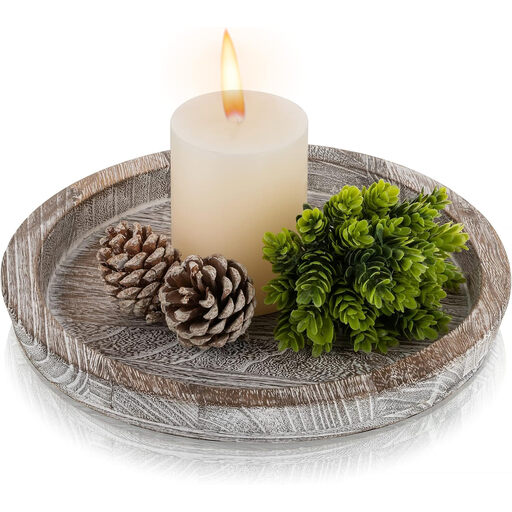
Why This Fits Their Persona: Its 28 cm circular format suits breakfasts, drinks, snacks and occasional entertaining without taking up much cupboard space. The lightweight paulownia construction is practical for everyday handling in UK homes.
The listed inner and outer diameters clarify the usable space, while the curved edges help contain food and drinks. It is not intended as a chopping board and should be kept away from prolonged moisture and heat.
Lightweight paulownia wood; distressed finish; suitable for breakfast-in-bed service, parties and decorative display.
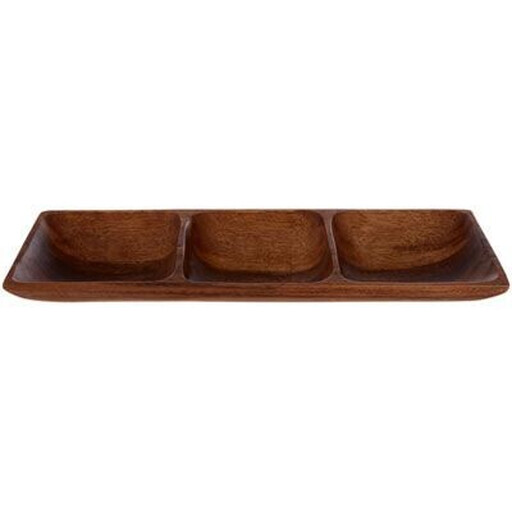
Why This Fits Their Persona: Solid acacia wood brings natural grain and warmth to dinner parties, cheese boards and styled tables. The three-section layout suits hosts who want presentation and separation in one piece.
The raised edges and defined sections help prevent food from mixing. Its care guidance is clear: hand wash gently, dry promptly and avoid treating it like dishwasher-safe ceramic.
Three separate sections; solid acacia construction; raised edges for more secure carrying.
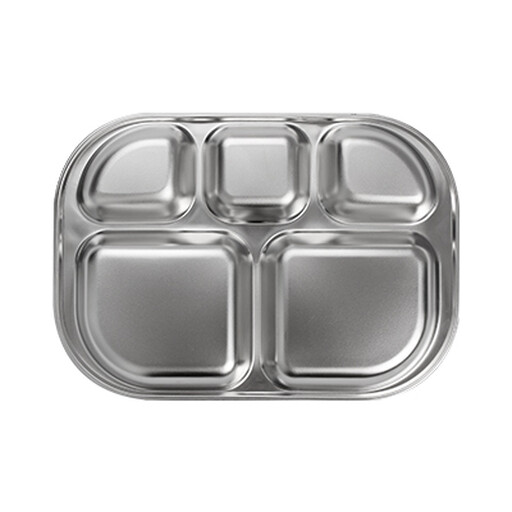
Why This Fits Their Persona: Families, campers, nurseries and catering users may value five separate sections for organised meals and reduced flavour mixing.
The material and five-section layout are specified rather than implied. It is dishwasher safe, but abrasive tools and sharp utensils should be avoided to protect the finish.
304 stainless steel; five independent compartments; dishwasher-safe cleaning guidance.
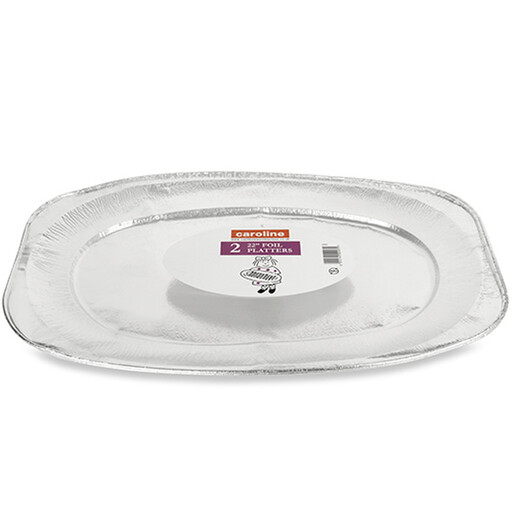
Why This Fits Their Persona: The 22-inch format provides a broad surface for buffet food, roast meats, sandwiches, pastries and party food platters at larger gatherings.
The exact 558.8 × 362 × 28 mm dimensions make the capacity easier to plan. Support the platter underneath with both hands when carrying heavier foods.
Pack of two; lightweight aluminium foil; suitable for hot or cold food display and buffet service.
We have compiled a complete, real-time list of products that fully satisfy these strict selection criteria and UK safety regulations.
Some are, but suitability depends on the material and product instructions. Aluminium foil platters are listed for hot and cold food display, while decorative iron or bamboo-style trays may be intended for indoor display only. Never place a tray near direct heat unless the manufacturer’s guidance allows it.
Wipe or hand wash wooden trays according to the care instructions, then dry them promptly. Avoid soaking, dishwasher cleaning and prolonged moisture unless the product specifically states otherwise. Food-safe mineral oil may be recommended for some acacia wood serving dishes.
For large groups, choose a tray with a clearly stated surface size and sufficient stability. Large foil platters suit buffet lines and catering, while four-section porcelain dishes, three-section acacia dishes and divided stainless steel trays are useful when different snacks or accompaniments need to remain separate.