
24/7 Customer Support

Free returns

Same-day & Next-day Delivery

Quality Guaranteed

Unlock Your Welcome Offers: FREE Delivery | Up to 80% OFF | Free 30-day JoyPlus trial
Download the APP
Serving trays need to do more than look attractive on a table. They may need to carry hot food, protect prepared dishes during transport, fit inside an oven or fridge, survive repeated washing or help organise snacks without mixing flavours. Choosing based on appearance alone can lead to wasted money and avoidable mess.
This guide explains the practical details to check before buying serving trays, from capacity and materials to lids, compartments and care requirements.
A large-looking platter may have a shallow rim and limited capacity, while a smaller square tray could hold more substantial food. Check the external dimensions, depth and stated capacity rather than relying on photographs.
For example, a 14-inch platter measuring 348 x 248 x 26mm is suited to sandwiches, pastries and cold buffet food, whereas a 60oz square foil tray measuring 227 x 227 x 38mm provides more depth for casseroles, pasta bakes or curries.
“Foil serving trays” are useful for cooking, reheating and presentation, but not every product is suitable for direct oven use. Check the product instructions and never place a foil tray directly on an open flame or heating element.
Recyclability also depends on local facilities. Remove food residue where required and check your local council’s guidance before placing aluminium foil or disposable foil trays in household recycling.
Wooden serving trays, iron decorative trays and porcelain snack serving dishes each have different care needs. A wooden tray may warp with prolonged moisture, while a decorative iron tray may be intended for indoor display rather than direct food contact. Likewise, a reusable serving platter is not automatically oven-safe.
Look for clearly stated information about food use, heat resistance, cleaning and storage before using a tray outside its intended purpose.
Match the tray to the food rather than the occasion alone. Shallow catering platters work well for sandwiches, sliced meats, canapés and pastries. Deeper foil serving trays are more suitable for saucy dishes, baked meals and food transport.
For larger gatherings, compare both tray size and pack quantity. A three-pack of 17-inch foil platters may be more useful for a buffet than two smaller trays, while a two-pack of square trays can suit a family meal or small office spread.
Foil trays with lids are useful when food needs to move from the kitchen to a venue, office or community event. Allow hot food to cool slightly before sealing to reduce condensation and protect the lid.
Divided serving trays help separate crisps, nuts, fruit, dips or accompaniments. They can make children’s parties and shared tables tidier, while a five-section stainless steel tray may suit packed lunches, camping or meals where different foods should remain separate.
Also check whether the tray needs support underneath. Large platters carrying roast meat or similarly heavy food should be placed on a board or baking sheet during transport.
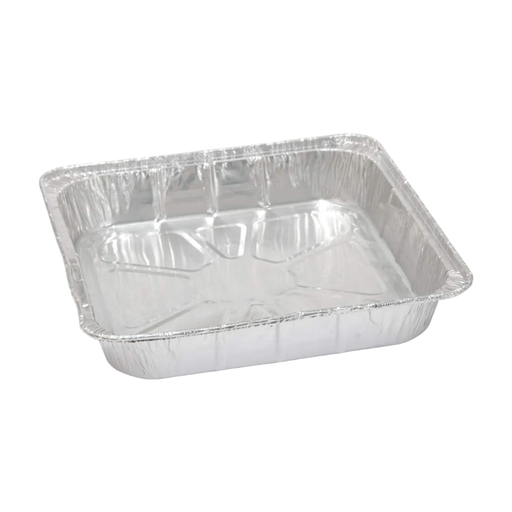
Why This Fits Their Persona: A two-pack gives new hosts a practical starting point for family meals, bake sales and smaller parties without committing to a large catering set.
Its listed 60oz capacity, 38mm depth and ovenable design provide clearer guidance than choosing by photograph alone.
Two trays; 227 x 227mm square format; ovenable and recyclable foil where local facilities accept it.
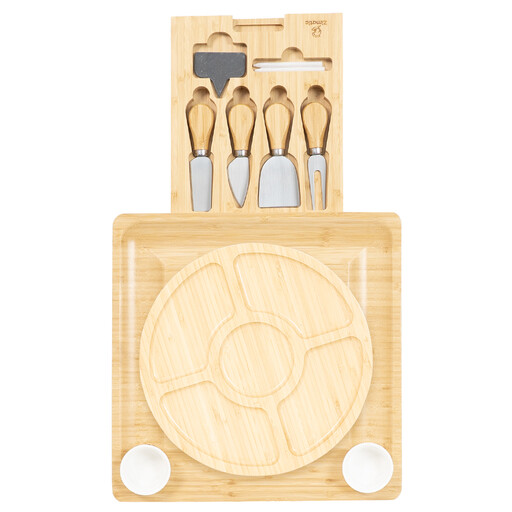
Why This Fits Their Persona: Hosts who value table presentation can use a bamboo cheese board for wine, crackers, fruit, cheese and charcuterie-style arrangements.
It is selected for presentation rather than being treated as an oven or chopping board. Check the care instructions and keep moisture controlled.
Bamboo serving board; supplied with a cheese knife set; suitable for food presentation and entertaining.
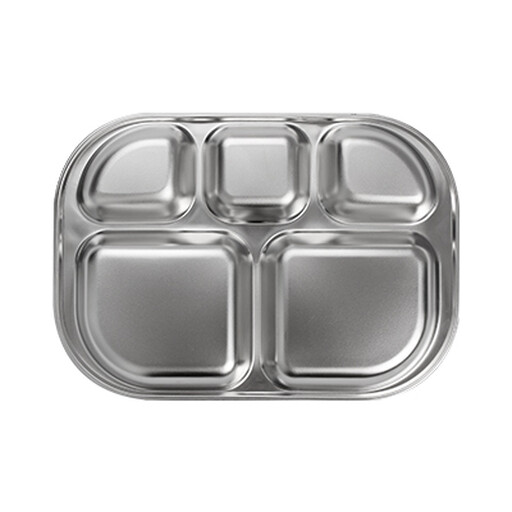
Why This Fits Their Persona: Useful for households, camping trips, nurseries, cafés or catering setups where foods need to remain separated and the tray will be used repeatedly.
The five independent sections address the common problem of sauces, snacks and main foods mixing during service or transport.
Food-grade 304 stainless steel; five compartments; dishwasher-safe listing; suitable for hot and cold food use as specified.
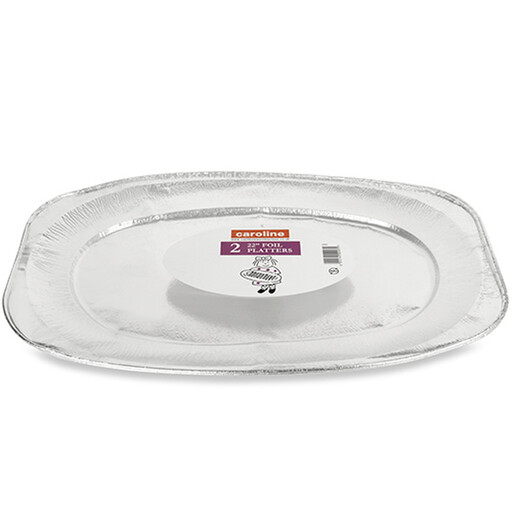
Why This Fits Their Persona: Large households, caterers and event organisers can use the broad surface for buffet food, roast meats, desserts and cold displays.
The 22-inch format makes the serving area clear, while the 28mm depth helps contain food. Use a flat support underneath when carrying heavier portions.
Two large aluminium foil platters; lightweight construction; listed as reusable and recyclable subject to local disposal guidance.
We have compiled a complete, real-time list of products that fully satisfy these strict selection criteria and UK safety regulations.
Some are ovenable, but this must be stated in the product information. Use a baking sheet underneath for stability, especially when moving a filled tray. Do not place foil trays on open flames or directly on heating elements.
Estimate the number of guests, then select a mixture of shallow catering platters for sandwiches and pastries and deeper trays for cooked dishes. For food transport, choose foil trays with lids. Check dimensions carefully so the trays fit your oven, fridge, storage cupboard and buffet table.