
24/7 Customer Support

Free returns

Same-day & Next-day Delivery

Quality Guaranteed

Unlock Your Welcome Offers: FREE Delivery | Up to 80% OFF | Free 30-day JoyPlus trial
Download the APP
A small bottle of sesame oil can transform noodles, soups and stir-fries, but choosing the wrong type may leave you with a flavour that is too strong, a bottle that goes stale before it is used or a product that does not match your cooking method.
The main shopping traps are easy to miss:
For a clearly defined flavour, look for “sesame oil 100%”, “sesame seed oil 100%” or an equivalent ingredient declaration. Pure sesame oil is suitable when you want a pronounced nutty aroma in a dressing, dipping sauce or finishing drizzle.
A blended sesame oil may contain soya bean or another vegetable oil. This can produce a lighter texture or a different price point, but it will not have the same ingredient profile as pure sesame oil. For example, one blended product in this range lists sesame oil, soya bean oil and sesame seeds, so the full ingredients panel is more useful than the product title alone.
Toasted sesame oil and roasted sesame oil are made with seeds that have been heated before pressing. This generally creates a deeper colour and more noticeable toasted aroma, making these oils particularly useful as a seasoning oil.
A cold-pressed product may offer a gentler sesame fragrance and can work well for cold dishes, dipping and dressings. However, terms such as “traditional”, “fragrant” or “authentic” are not substitutes for checking the actual ingredients and usage instructions.
For high-temperature cooking, follow the bottle’s guidance rather than relying on general assumptions. Some sesame oils are positioned for stir-fry cooking, while others are specifically described as finishing oils.
Common options include sesame oil 150ml, sesame oil 500ml and sesame oil 1 litre or larger. Select according to how often you use it:
Store an opened bottle in a cool, dry and dark place, tightly sealed and away from direct sunlight and heat. Some products recommend refrigeration after opening, while others advise against it, so follow the label supplied with your chosen bottle. Always check the best-before information and avoid using a bottle if its packaging is damaged or the oil shows signs of spoilage.
Japanese sesame oil is often selected for ramen, noodle dishes, goma-style dressings and delicate finishing. Chinese sesame oil commonly appears in dipping sauces, soups, marinades and stir-fry seasoning. Korean sesame oil is frequently used with rice, vegetables, soups and banchan-style dishes. These are useful culinary associations, but recipes and production methods vary by product.
For sesame oil for stir-fry, check whether the manufacturer specifically describes it as suitable for cooking. For sesame oil for dressing, cold dishes and finishing, aroma is usually more important than using a large quantity. A few drops can be enough to season noodles, steamed vegetables or a dipping sauce.
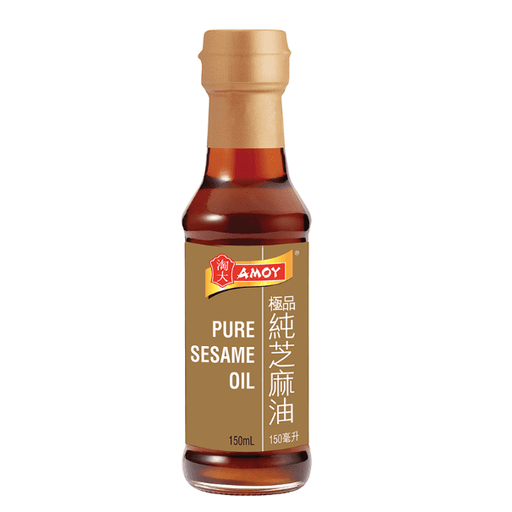
Why This Fits Their Persona: The 150ml format is manageable for UK households trying sesame oil in marinades, dipping sauces, stir-fries or noodle dishes without committing to a large bottle.
The listing identifies it as 100% pure sesame oil and gives a defined 150ml quantity, reducing uncertainty around blends and oversized packaging.
100% pure sesame oil; suitable for stir-fries, marinades, dipping sauces and finishing.
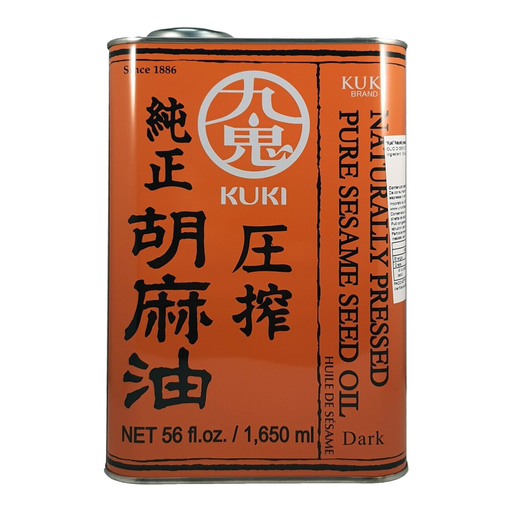
Why This Fits Their Persona: Regular cooks preparing Asian-inspired meals several times a week may appreciate the large format and strongly aromatic profile.
The listing specifies sesame seed oil at 100%, helping distinguish it from blended sesame seasoning oil.
1.65 litre quantity; roasted, aromatic profile; listed as vegan-friendly and free from additives.
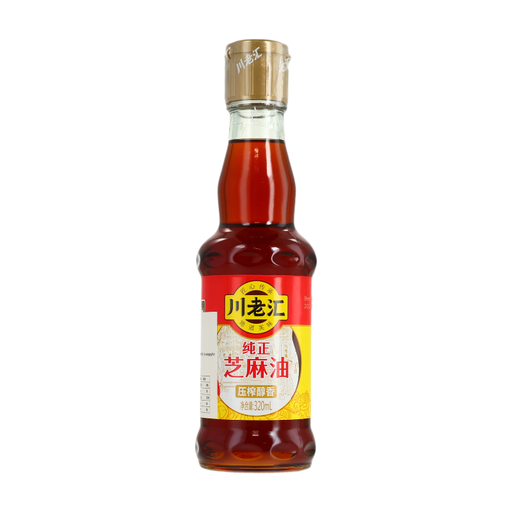
Why This Fits Their Persona: Cooks who use sesame oil mainly for soups, noodles, salads and final seasoning receive clear guidance on its intended role.
The product information explicitly says it is not intended for frying or high-heat cooking, preventing misuse based on generic oil claims.
100% roasted sesame oil; 320ml size; designed for adding a few drops to hot dishes just before serving.
We have compiled a complete, real-time list of products that fully satisfy these strict selection criteria and UK safety regulations.
It depends on the product. Some toasted or roasted sesame oils can be used during cooking, while others are intended mainly for seasoning and finishing. Check the usage instructions and avoid treating every Asian sesame oil as a general-purpose frying oil.
Shelf life varies with the product, packaging and storage conditions. Keep it tightly sealed in a cool, dark place and follow the label’s storage advice. If the oil develops an unusually stale or unpleasant smell, check the packaging and consider replacing it.
Choose 150ml if you use sesame oil occasionally, 500ml for regular home cooking and 1 litre or more if you prepare Asian dishes frequently or cook for a large household. A smaller bottle may be more practical if you mainly use sesame oil as a finishing drizzle.