
24/7 Customer Support

Free returns

Same-day & Next-day Delivery

Quality Guaranteed

Unlock Your Welcome Offers: FREE Delivery | Up to 80% OFF | Free 30-day JoyPlus trial
Download the APP
Sesame oil can transform a simple bowl of noodles or a quick stir-fry, but choosing the wrong bottle can lead to wasted money and disappointing flavour. UK shoppers often encounter labels such as pure sesame oil, toasted sesame oil, roasted sesame oil and blended sesame oil, with differences in intensity, ingredients and intended use.
The main traps are easy to overlook:
Pure sesame oil means sesame oil is the stated ingredient, but the taste still depends on processing. Toasted or roasted sesame oil is generally associated with a deeper colour and more pronounced nutty aroma. It is commonly used as a sesame finishing oil for soups, noodles, vegetables and dipping sauces.
A lighter sesame oil may be more adaptable for cooking, marinades or dressings. If you are specifically looking for Japanese sesame oil, Chinese sesame oil or Korean sesame oil, check the country of origin and usage instructions rather than relying only on the front label.
Blended sesame oil contains sesame oil alongside another oil. For example, the listed ingredients for LEE KUM KEE Blended Sesame Oil 410ml include sesame oil, soybean oil and sesame seeds. This can offer a different price and flavour profile, but it is not interchangeable with a 100% pure sesame oil if you want a single-ingredient product.
For sesame oil for stir-fries, check whether the bottle describes the product as a cooking oil or seasoning oil. Some products are intended to be added at the end of cooking, where their aroma remains noticeable. Chuan Lao Hui Pure Sesame Oil 320ml, for instance, is specifically described as a finishing oil and is not intended for frying or high-heat cooking.
For sesame oil for noodles, dressings and marinades, a strongly aromatic toasted or roasted style can work well in small quantities. Add a few drops to cooked noodles, whisk into a dressing or combine with soy sauce, vinegar and chilli for a dipping sauce.
Do not assume that a marketing phrase such as “versatile” removes the need to follow the bottle’s instructions. Avoid pouring hot oil back into a bottle and allow oil to cool before handling where the label advises this.
In the UK, sesame is a recognised food allergen and should be clearly checked on the ingredients and allergen information. Sesame oil is not suitable for people with sesame allergies. Also check for additional allergens in blended products or prepared foods containing sesame, such as noodle kits.
Common bottle sizes include:
Store unopened oil in a cool, dry place away from direct sunlight. Some labels advise refrigeration after opening, while others advise avoiding refrigeration. Follow the individual product directions and keep the cap tightly closed.
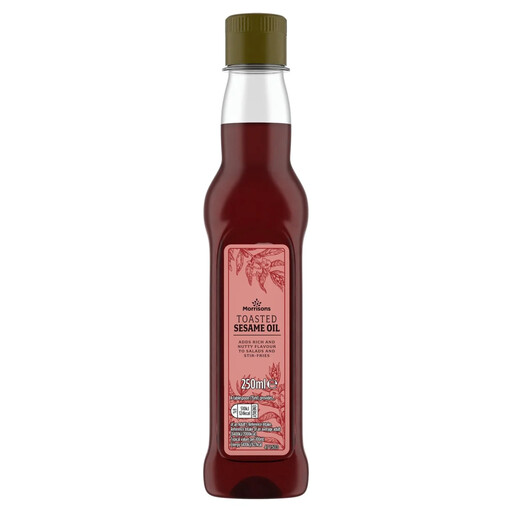
Why This Fits Their Persona: A 250ml bottle gives new cooks enough oil to try stir-fries, dressings, marinades and noodle dishes without committing to a large container.
The label identifies it as toasted sesame oil and lists 100% toasted sesame oil, making the intended flavour profile and ingredient composition clear.
250ml quantity; suitable for salads, stir-fries, marinades and noodle dishes; vegetarian.
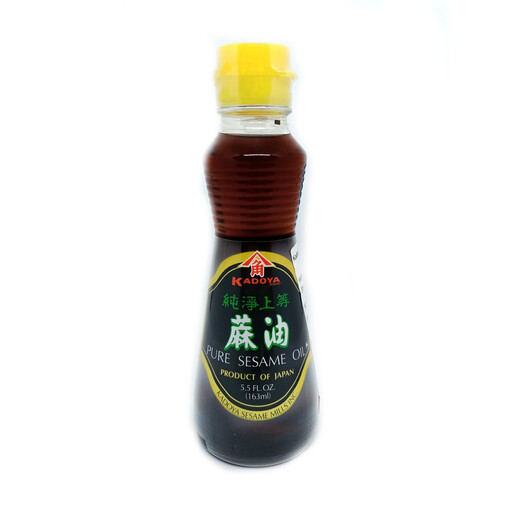
Why This Fits Their Persona: Suitable for cooks seeking a Japanese-origin, 100% sesame oil in a compact glass bottle for measured finishing and seasoning.
Its listed ingredient is sesame oil and the product information identifies Japan as the country of origin.
100% sesame oil; 163ml glass bottle; listed for stir-fries, noodles, dressings and dipping sauces.
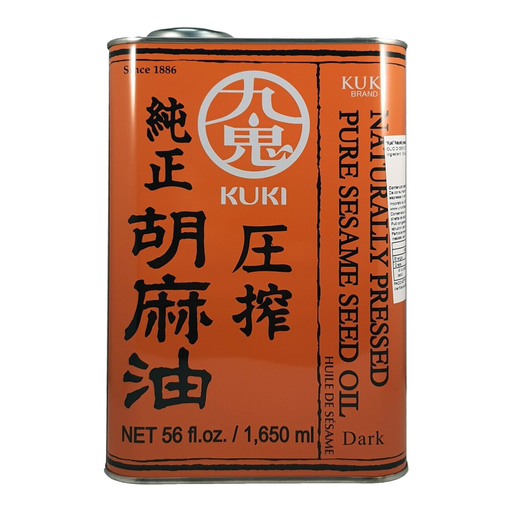
Why This Fits Their Persona: The large format suits professional chefs, catering environments and households that regularly prepare stir-fries, ramen, salads and marinades.
The bottle is clearly listed as 100% sesame seed oil, while the large capacity reduces the need to repeatedly buy small bottles.
1.65 litre format; roasted sesame profile; vegan-friendly and free from listed additives.

Why This Fits Their Persona: A useful choice for cooks who want black sesame oil for dressings, dipping sauces and a final aromatic drizzle.
The quantitative ingredient declaration identifies black sesame oil at 100%, so it is not presented as a blended product.
207ml size; made in China; designed for dressings, dipping sauces and seasoning.
We have compiled a complete, real-time list of products that fully satisfy these strict selection criteria and UK safety regulations.
Use strongly flavoured sesame oil sparingly, particularly when it is toasted or roasted. Try these combinations:
For a neutral base in high-temperature cooking, use an oil specified for that purpose and add sesame oil for aroma at the end when appropriate. This approach helps preserve the flavour and prevents a finishing oil from being used outside its stated purpose.
It depends on the product. Some sesame oils are listed for cooking, while others are explicitly intended as finishing oils and should not be used for frying or high-heat cooking. Always follow the usage instructions on the bottle.
Shelf life varies by product, packaging and storage. Keep the bottle tightly closed, store it according to the label and check the best-before information. If the oil develops an unusual smell, flavour or appearance, do not use it.
Choose 150ml for occasional use, 207ml to 320ml for regular home cooking and 500ml or more if you frequently prepare Asian cuisine. A 1 litre or 1.65 litre bottle can suit heavy users, but only if you can store and use it within the recommended period.