
24/7 Customer Support

Free returns

Same-day & Next-day Delivery

Quality Guaranteed

Unlock Your Welcome Offers: FREE Delivery | Up to 80% OFF | Free 30-day JoyPlus trial
Download the APP
Sesame oil can transform a bowl of noodles, stir-fried vegetables or a simple dipping sauce with just a few drops. However, choosing the right bottle is not always straightforward. Labels such as pure, fragrant, roasted and traditional can describe very different products, while a large bottle may not represent good value if you only use sesame oil occasionally.
This guide explains what to check before buying sesame oil online, how Chinese and Japanese styles differ and which formats suit different UK home-cooking habits.
Some products are blended with other oils. For example, blended sesame oil may contain soybean oil alongside sesame oil and sesame seeds. This can create a lighter or less concentrated flavour, but it is not the same as pure sesame oil.
Always read the ingredient list rather than relying only on the front label. If you want a concentrated sesame aroma, look for “Sesame Oil (100%)” or equivalent wording.
Toasted sesame oil has a deep colour and pronounced nutty aroma. It is commonly used as a finishing oil, in dressings, marinades, dipping sauces and gentle seasoning. Adding it at the end of cooking can preserve its fragrance.
It may not be the most practical choice for filling a wok or frying pan. A neutral cooking oil, such as rapeseed or corn oil, is generally more suitable when you need a larger quantity for high-heat cooking without a strong flavour.
A 1.65L bottle may suit a busy household, takeaway-style cooking or frequent food preparation. For occasional use, a 150ml sesame oil bottle can be easier to manage and reduces the risk of the oil sitting open for too long.
Check the storage instructions, keep the cap tightly closed and store the bottle in a cool, dry place away from direct sunlight. Some products recommend refrigeration after opening, while others advise cool, dark storage without refrigeration.
For a clean, concentrated flavour, choose a product listing sesame oil as the sole ingredient. Pure sesame oil is suitable for dressings, dipping sauces, marinades and drizzling over finished dishes.
Blended oils can still be useful where you want a milder seasoning oil or a larger bottle for regular cooking. They should not, however, be treated as interchangeable with 100% sesame oil.
Cold-pressed sesame oil is made using a lower-temperature pressing approach and may have a softer, more natural sesame character. Chu Bang Fragrant Pure Sesame Oil 150ml is listed as 100% sesame oil and cold-pressed, with usage guidance covering cold dishes, dipping and finishing stir-fries.
Toasted sesame oil is made from roasted sesame seeds, producing a darker colour and more intense aroma. This is often associated with Chinese sesame oil and Japanese sesame oil used for ramen, noodles, salads and finishing sauces. Amoy Pure Sesame Oil 150ml is described as being made from roasted sesame seeds using traditional pressing methods.
The terms “Chinese” and “Japanese” can indicate a culinary style, but the label and ingredient list remain more useful than the name alone. Check the stated country of origin, ingredients and recommended uses.
Glass bottles can help protect a smaller quantity from odours and make controlled pouring easier. A 150ml bottle is practical for cooks who mainly use sesame oil as an aromatic cooking oil rather than a daily frying medium.
Sesame is a regulated allergen in the UK. Products containing sesame should identify it clearly on the label. If you are buying for someone with allergies, check the current packaging before use, as formulations and labelling may change.

Why This Fits Their Persona: A compact bottle for first-time buyers, flat dwellers and cooks who want to try sesame oil without committing to a large quantity.
The ingredient list states sesame oil at 100%, and the 150ml format helps avoid overbuying an oil used mainly for finishing.
100% sesame oil; cold-pressed process; glass bottle; suitable for cold dishes and finishing.
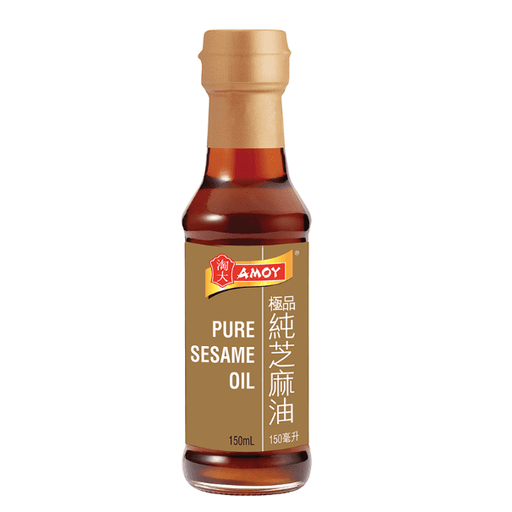
Why This Fits Their Persona: Suitable for cooks seeking a roasted sesame profile for Asian-inspired meals, noodle dishes and sauces in a manageable household size.
The listing identifies 100% pure sesame oil and roasted sesame seeds, making the intended flavour style clearer than a vague “aromatic” description.
100% pure sesame oil; roasted sesame aroma; suitable for stir-fries, marinades, dipping sauces and finishing.
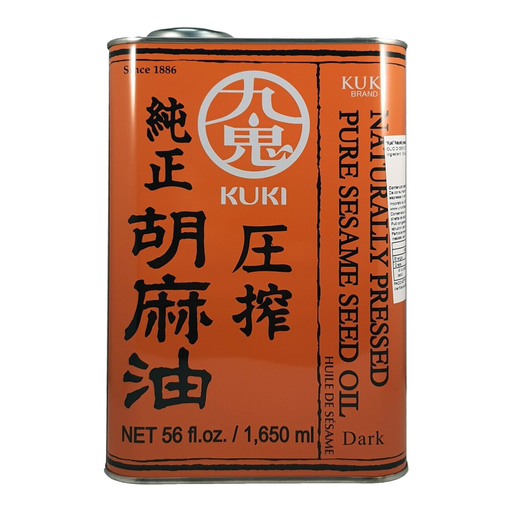
Why This Fits Their Persona: A larger format for frequent stir-fries, ramen, salads, marinades and finishing drizzles, particularly in households cooking Asian-style dishes regularly.
The stated ingredient is sesame seed oil at 100%, avoiding the uncertainty of an unnamed blended oil. Its size is appropriate only where usage is regular.
1.65L quantity; roasted, dark aromatic profile; suitable for stir-fries, dressings, marinades and finishing.
We have compiled a complete, real-time list of products that fully satisfy these strict selection criteria and UK safety regulations.
It can be used in stir-fries, but strongly toasted sesame oil is often more effective as a seasoning or finishing oil. For high-heat cooking with a neutral flavour, use a suitable everyday cooking oil and add sesame oil near the end.
Follow the product label. Common guidance includes keeping it tightly closed in a cool, dry, dark place away from sunlight. Some blended or traditionally made products recommend refrigeration after opening. Always check the current packaging.
Yes. Sesame is a recognised food allergen and should be clearly identified in the ingredients or allergen information. Check the label carefully before serving sesame oil to anyone with a sesame allergy.