
24/7 Customer Support

Free returns

Same-day & Next-day Delivery

Quality Guaranteed

Unlock Your Welcome Offers: FREE Delivery | Up to 80% OFF | Free 30-day JoyPlus trial
Download the APP
Sesame oil can bring a toasted, nutty aroma to stir-fries, noodles, marinades and dipping sauces, but not every bottle serves the same purpose. UK shoppers often compare size and price first, then discover that a blended sesame oil tastes lighter than expected or that a strongly roasted oil is too intense for everyday cooking.
This guide explains the practical differences between pure sesame oil, toasted varieties and blended options, helping you choose a bottle that matches your recipes, storage space and cooking habits.
A product labelled “sesame oil” may be either pure or blended. Check the ingredients list rather than relying on the front label.
For example, LEE KUM KEE Blended Sesame Oil 410ml lists sesame oil, soya bean oil and sesame seeds. This makes it different from a 100% sesame oil intended for a more concentrated flavour.
Toasted or roasted sesame oil is commonly used as a seasoning oil or finishing drizzle. Its pronounced aroma can become overpowering when used in large quantities, and some products specifically advise against high-temperature frying.
For wok cooking, check the product instructions. You may use a neutral cooking oil for the main frying process, then add sesame oil near the end. This approach is particularly useful for stir-fries, fried rice and noodle dishes where you want fragrance without masking the other ingredients.
Sesame oil is high in fat and can lose freshness when exposed to heat, light and air. A 1-litre or 1.65-litre bottle may suit a restaurant kitchen or a household that uses sesame oil frequently, but a 150ml bottle can be more practical for occasional use.
Follow the storage instructions on the packaging. Many products recommend keeping the bottle tightly sealed in a cool, dark or dry place. Some recommend refrigeration after opening, while others advise against refrigeration, so the label should take priority.
Decide whether you want a pure sesame oil or a blended sesame oil.
Pure options are suitable when you want a clear sesame flavour for:
A blended product may offer a milder aroma and can be useful when you want sesame notes without such a concentrated taste. Always check the allergen declaration: sesame is a regulated allergen in the UK and should be clearly identified on food packaging.
Terms such as toasted sesame oil and roasted sesame oil usually indicate a deeper, more aromatic flavour than lighter sesame oils. The exact intensity varies between products, so descriptions and usage instructions are useful when comparing bottles.
A darker, strongly aromatic oil works well in small amounts over ramen, noodles, dumplings or cooked vegetables. A milder product may be easier to use across everyday Asian cooking, including marinades and dressings.
Compare the price per 100ml, not just the shelf price. Common sizes in this range include:
A larger bottle is not automatically more economical if the oil remains open for too long. Choose a volume that you can use while it still retains its intended aroma.
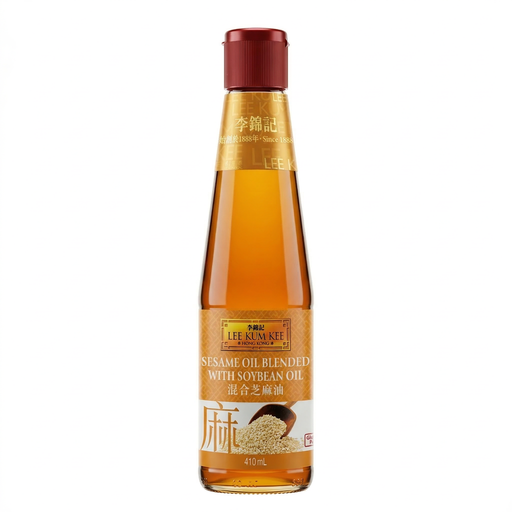
Why This Fits Their Persona: The 410ml size gives new cooks enough oil for seasoning, marinades and garnishing without moving straight to a bulk container. Its blended formula may suit shoppers who prefer a less concentrated sesame profile.
The ingredient list clearly identifies soya bean oil as well as sesame oil, helping buyers avoid confusing a blend with a pure product.
410ml capacity; suitable for seasoning, marinating and garnishing.
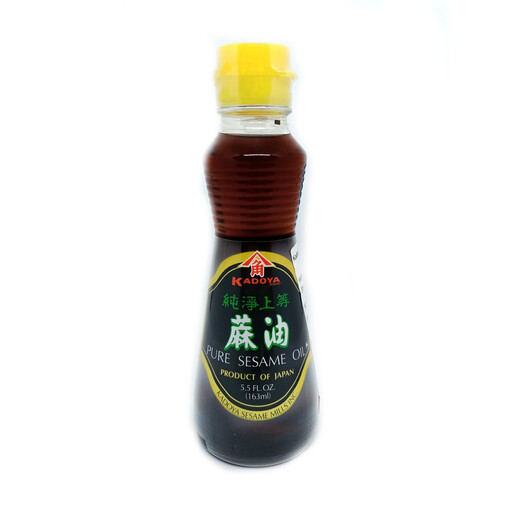
Why This Fits Their Persona: This compact bottle is labelled as 100% pure sesame oil, making it suitable for cooks who prioritise a single-ingredient product and concentrated aroma.
The listed ingredient is sesame oil, allowing shoppers to distinguish it from blended sesame seasoning oil.
100% pure sesame oil; listed for stir-fries, noodles, dressings, marinades and dipping sauces.
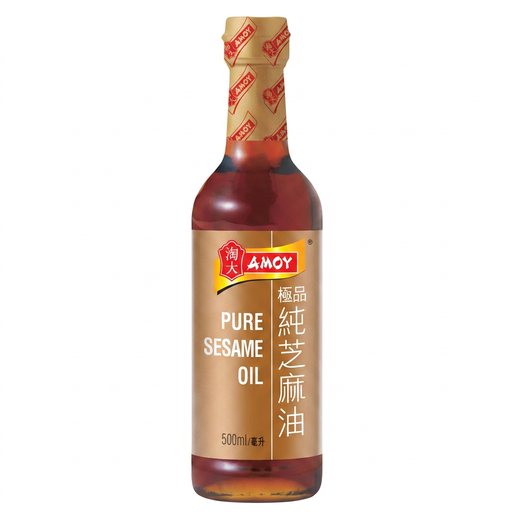
Why This Fits Their Persona: A 500ml bottle is practical for frequent home cooks, caterers or professional kitchens using sesame oil across marinades, stir-fries, sauces and finishing applications.
The product is identified as pure sesame oil, while its larger format reduces the need to replace small bottles during regular cooking.
500ml quantity; suitable for stir-fries, marinades, dipping sauces and finishing dishes.
We have compiled a complete, real-time list of products that fully satisfy these strict selection criteria and UK safety regulations.
For a sesame oil for stir-fries, add a small amount during the final stage or drizzle it over the finished dish. For noodles, mix sesame oil with soy sauce, rice vinegar, chilli or spring onion to create a quick dressing. It can also be whisked into marinades for tofu, vegetables, chicken or meat.
A sesame dipping oil can be served with dumplings, steamed vegetables or grilled foods. Start with a small quantity, taste and adjust, as roasted sesame oil can dominate delicate dishes.
Suitability depends on the product and its instructions. Some sesame oils are listed for frying or grilling, while strongly aromatic finishing oils may be recommended for low or moderate heat. Check the bottle label and use a neutral oil for prolonged high-temperature cooking when appropriate.
Keep it tightly sealed and away from direct sunlight, heat and humidity. Storage advice differs between products: some recommend refrigeration after opening, while others advise a cool cupboard. Follow the packaging instructions and use the oil within the stated shelf-life guidance.
Yes. Sesame is a regulated allergen and sesame oil should be avoided by anyone with a sesame allergy. Read the ingredients and allergen information every time, particularly when buying a different product or when packaging has changed.