
24/7 Customer Support

Free returns

Same-day & Next-day Delivery

Quality Guaranteed

Unlock Your Welcome Offers: FREE Delivery | Up to 80% OFF | Free 30-day JoyPlus trial
Download the APP
As a Joybuy Product Recommendation Officer, my role is to help you navigate the crowded shelves and find products that deliver on their promise. When it comes to an ingredient as fundamental as sesame oil, choosing the right bottle can be the difference between an authentic, flavourful dish and a disappointing meal. Many UK shoppers find themselves confused by the options, often leading to common purchasing mistakes.
Let's look at two frequent pitfalls that can lead to wasted money and lacklustre cooking:
Understanding a few key parameters can help you sidestep these issues and select the right oil for your culinary needs.
Before adding any oil to your basket, a quick check of its label and description can reveal everything you need to know. Here are the non-negotiable points to consider.
The single most important factor for authentic flavour is purity. To ensure you are getting the real deal, always check the ingredients list.
Not all sesame oils are created equal. The production method dramatically changes the flavour and intended use.
The type of sesame seed used also influences the final product. While most common sesame oils are made from white sesame seeds, you may also encounter black sesame oil. This variety is pressed from black sesame seeds and is known for its particularly deep, rich and earthy flavour, often used in specific regional dishes and for its perceived health properties. This highlights the diverse world of seed oils, which also includes health-focused supplements like black seed oil capsules UK and everyday staples like organic sunflower oil.
To help you choose, here are a few products matched to different household needs and cooking styles.

Why This Fits Their Persona: This user cooks Asian food regularly and needs a reliable, authentic oil that delivers consistent flavour without breaking the bank. Lee Kum Kee is a trusted brand that provides the quality needed for daily marinades, dressings and finishing drizzles.
The label clearly states 100% Pure SESAME Oil, ensuring you are not buying a diluted, blended product. It provides the authentic, rich aroma expected for classic dishes.
Made from roasted sesame seeds for a deep, aromatic fragrance. The 410ml bottle offers good value for frequent use.
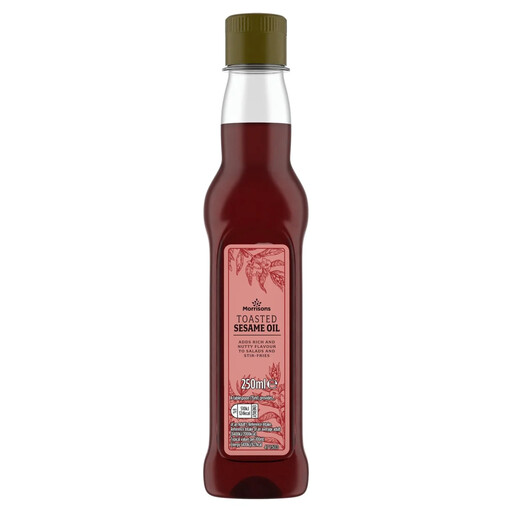
Why This Fits Their Persona: This home cook is focused on achieving maximum flavour. They understand the power of a finishing oil and want that intense, nutty aroma to elevate their noodles, salads and stir-fries just before serving.
It is clearly labelled as Toasted Sesame Oil, immediately distinguishing it from a general cooking oil and preventing the "wrong heat" mistake. The description reinforces its use as a drizzle.
Made from 100% toasted sesame oil for a deep, nutty flavour. It is cold-pressed to preserve the authentic aroma, making it an ideal finishing touch.
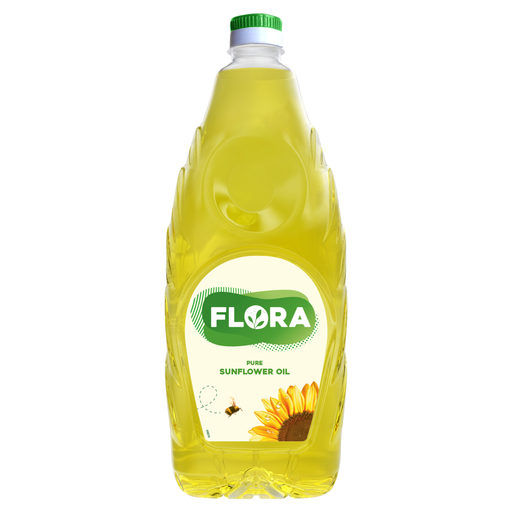
Why This Fits Their Persona: This shopper needs a versatile, everyday oil for the whole family. Their priority is a reliable, large-format oil suitable for everything from frying chips to baking and making salad dressings.
This product provides a clear solution for high-heat cooking, directly addressing the limitation of toasted sesame oil. It clarifies the need for different oils for different jobs in the kitchen.
A versatile sunflower oil for cooking with a high smoke point, suitable for frying, baking and roasting. The large 2L size offers excellent value for family use.
We have compiled a complete, real-time list of products that fully satisfy these strict selection criteria and UK safety regulations.
It depends on the type. Light (untoasted) sesame oil has a higher smoke point and can be used for general sautéing and light frying. However, toasted sesame oil (the dark, aromatic kind) has a low smoke point and should not be used for frying. It will burn quickly, creating a bitter taste and harmful compounds. Use it as a finishing oil to add flavour after cooking.
Toasted sesame oil is typically made from toasted white sesame seeds, giving it its characteristic nutty aroma and amber colour. Black sesame oil is made from black sesame seeds, which gives it an even deeper, earthier and more intense flavour profile. While both are often used as finishing oils, their flavour notes are distinct, and they are not always interchangeable in recipes.
All cooking oils can go rancid when exposed to heat, light and air. To preserve its flavour, store your sesame oil in a cool, dark place like a pantry or cupboard, away from the stove. Ensure the cap is tightly sealed after each use. While some suggest refrigerating it, this can cause the oil to become cloudy and solidify, though it will return to liquid at room temperature. For most pure sesame oils, a cool cupboard is sufficient.