
24/7 Customer Support

Free returns

Same-day & Next-day Delivery

Quality Guaranteed

Unlock Your Welcome Offers: FREE Delivery | Up to 80% OFF | Free 30-day JoyPlus trial
Download the APP
A drizzle of sesame oil can transform a simple dish into something truly special, lending a deep, nutty aroma that is the hallmark of many East Asian cuisines. Yet, walking down the international food aisle reveals a confusing array of options. Many UK home cooks find themselves buying a bottle that either disappoints in flavour or is entirely wrong for their recipe. Before you add another bottle to your pantry, let's clear up a few common pitfalls that lead to wasted money and lacklustre meals.
The most frequent mistake is not distinguishing between pure and blended oils. A lower price tag might seem appealing, but it often indicates a product diluted with less flavourful oils like soybean oil, compromising the authentic taste you're after. Another common trap is using the wrong type of oil for the job. That fragrant, dark toasted sesame oil is not your go-to for a high-heat stir-fry; using it this way will only result in a bitter taste and a kitchen full of smoke, as its delicate compounds quickly burn.
To ensure you're choosing a bottle that will elevate your cooking, focus on these two non-negotiable parameters. Understanding them is the key to unlocking authentic flavour in your Chinese condiments collection.
The single most important factor determining flavour intensity is the oil's purity. The ingredients list is your best friend here.
Not all sesame oils are created equal. The colour and aroma are direct results of how the seeds were processed.
To help you navigate the choices, we've matched a few standout options to different cooking styles and needs.

Why This Fits Their Persona: This is an excellent starting point for those building their Asian pantry. It offers a reliable and recognisable flavour from a trusted brand, Lee Kum Kee, making it a versatile staple for marinades, dressings and drizzling over noodle dishes.
This is a blended oil (50% sesame, 50% soybean), and the product information is clear about this. It manages expectations perfectly, delivering a pleasant aroma at an accessible price point without pretending to be 100% pure.
A good balance of authentic aroma and value for money. Its versatile flavour works well in a wide range of everyday dishes.

Why This Fits Their Persona: For the cook who refuses to compromise on flavour, this 100% pure oil delivers the intense, unadulterated nutty aroma essential for authentic dishes. It's perfect for those who cook Asian food regularly and understand the value of high-quality ingredients.
This product directly solves the "pure vs. blended" pitfall. The label clearly states it is pure sesame oil, ensuring you get the potent, high-impact flavour you are paying for without any dilution.
Made from 100% roasted sesame seeds for a powerful aroma. The 410ml bottle offers good value for regular users who rely on it as a staple finishing oil.
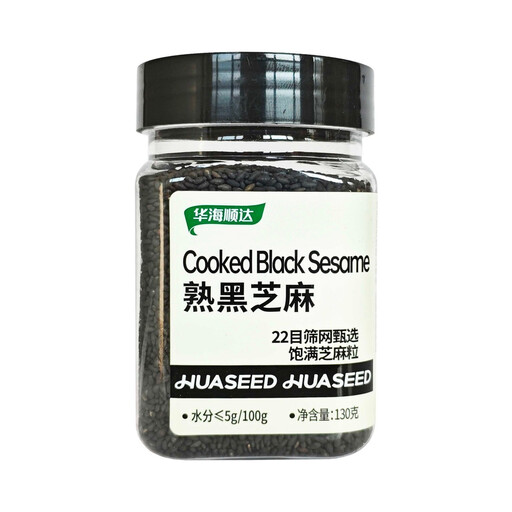
Why This Fits Their Persona: For the cook who knows presentation and texture are just as important as flavour. These roasted sesame seeds are perfect for adding a finishing crunch and visual appeal to salads, noodle bowls, sushi and even baked goods.
This product highlights that sesame flavour can come from the seed itself, not just the oil. It prevents the mistake of trying to get texture from an oil by providing the source ingredient, ready to use as a garnish.
Ready-to-use roasted seeds add a nutty crunch and visual contrast. The distinct flavour of black sesame seeds offers a different dimension compared to white sesame.
We have compiled a complete, real-time list of products that fully satisfy these strict selection criteria and UK safety regulations.
Here are answers to a few common queries UK shoppers have about sesame oil.
It is not recommended. Toasted sesame oil has a low smoke point, which means it will burn at high temperatures. This not only creates a bitter, unpleasant taste but also destroys the delicate aromatic compounds that make it so desirable. Reserve it as a finishing oil to drizzle over dishes just before serving, or use it in dressings and marinades.
Pure sesame oil is made from 100% sesame seeds and offers a concentrated, rich flavour and aroma. Blended sesame oil is mixed with other, more neutral vegetable oils like soybean oil. This results in a milder flavour and a lower price, but it may not deliver the authentic taste required for many traditional recipes. Always check the ingredients list to know what you are buying.
Once opened, sesame oil should be stored in a cool, dark place with the cap sealed tightly to protect it from light and air, which can cause it to go rancid. Many brands suggest refrigeration after opening to further extend its freshness. While it can last for several months, it's always best to check the packaging for specific advice and trust your senses—if it develops a stale or off smell, it should be replaced.